
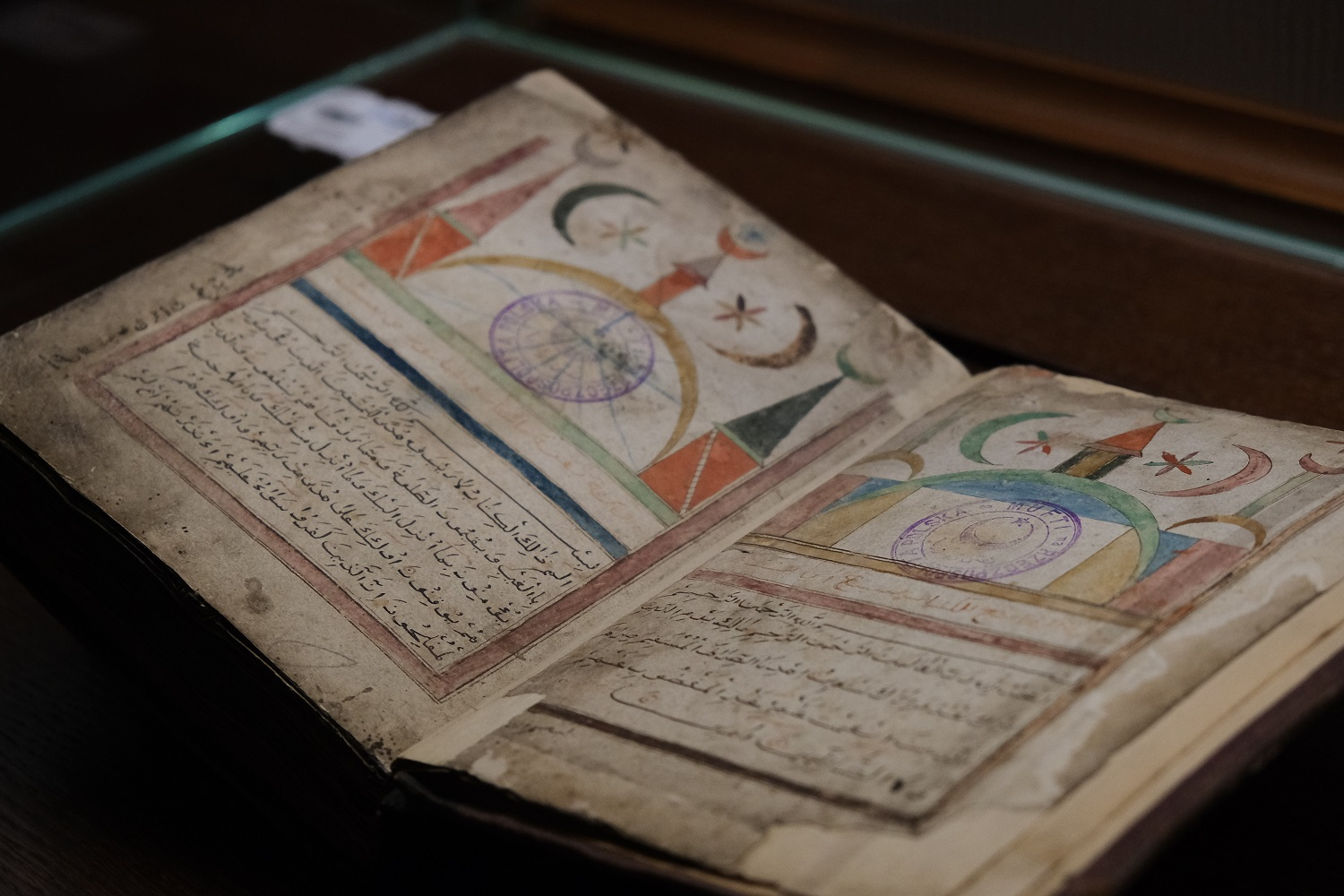
This exhibition was made possible in particular thanks to cooperation with the Lithuanian National Museum in Vilnius, which provided valuable monuments of ancient Tatar writing. Another extraordinary monument for conservation reasons, shown at the exhibition only for a certain period of time, will be a unique Tatar copy of the Nesvizh Arian Bible from 1572, preserved in the collection of the University of Warsaw Library (which is being prepared for submission to the UNESCO Memory of the World (MoW) Register).
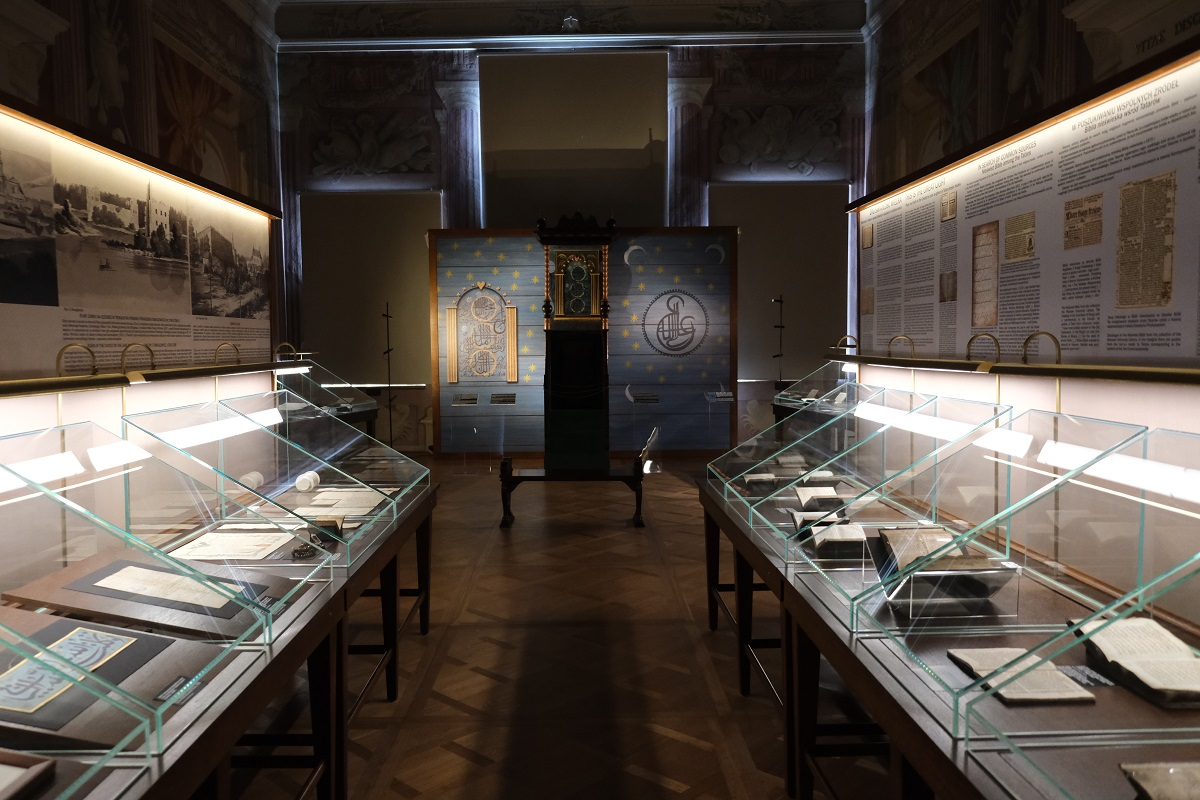
The exhibition was created as part of the 17th International Congress of Turkish Art (ICTA) in Warsaw, organised by the Museum of King Jan III’s Palace at Wilanów and the University of Warsaw. The congress took place on 18–21 September, 2023.
QUR’AN IN A HOMELY VILLAGE
Objects
-
Tefsir
 (manuscript of the Qur’an with interlinear translation into Polish dating back to the 17th century), copied in 1890, Lithuanian National Museum
-
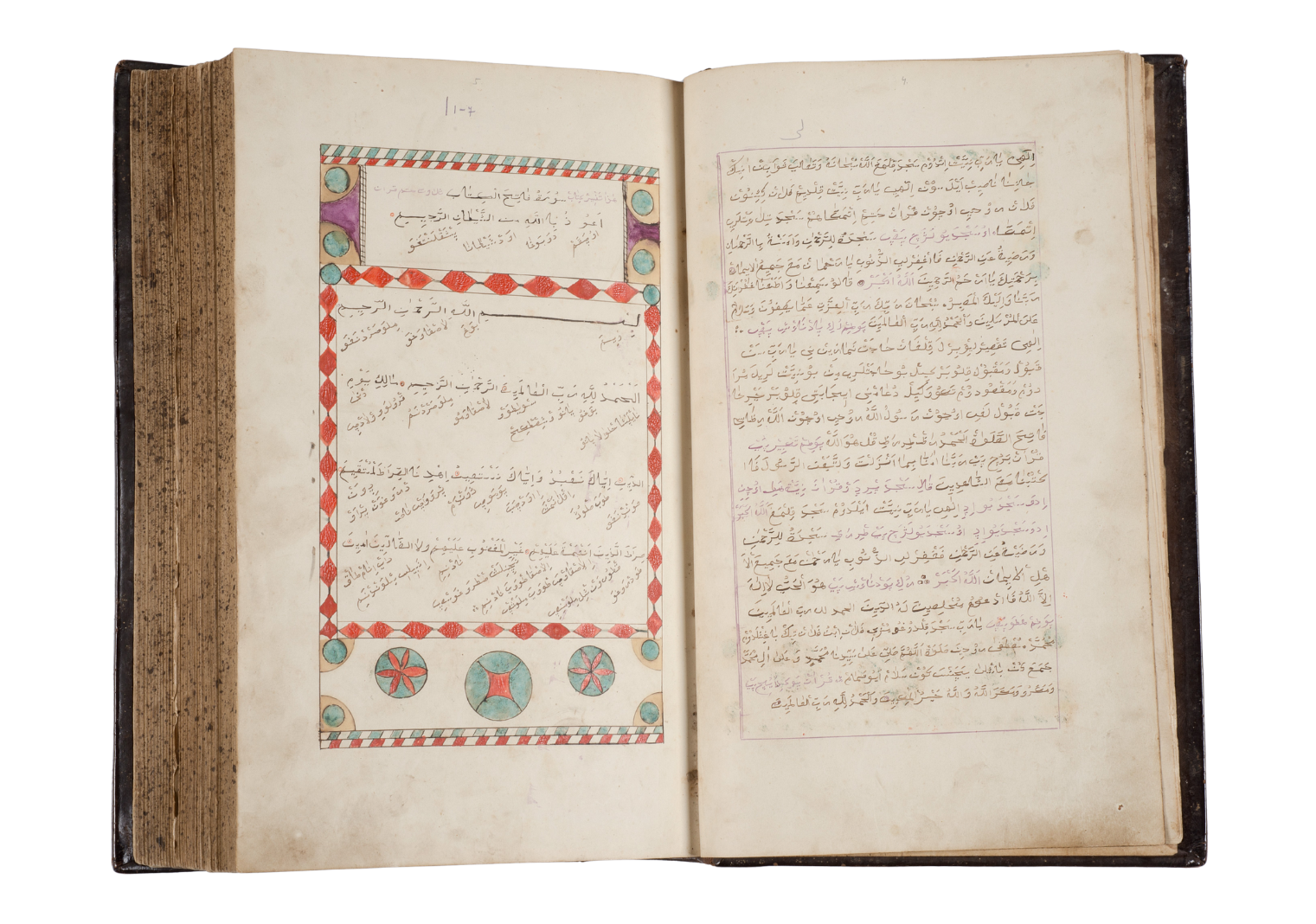
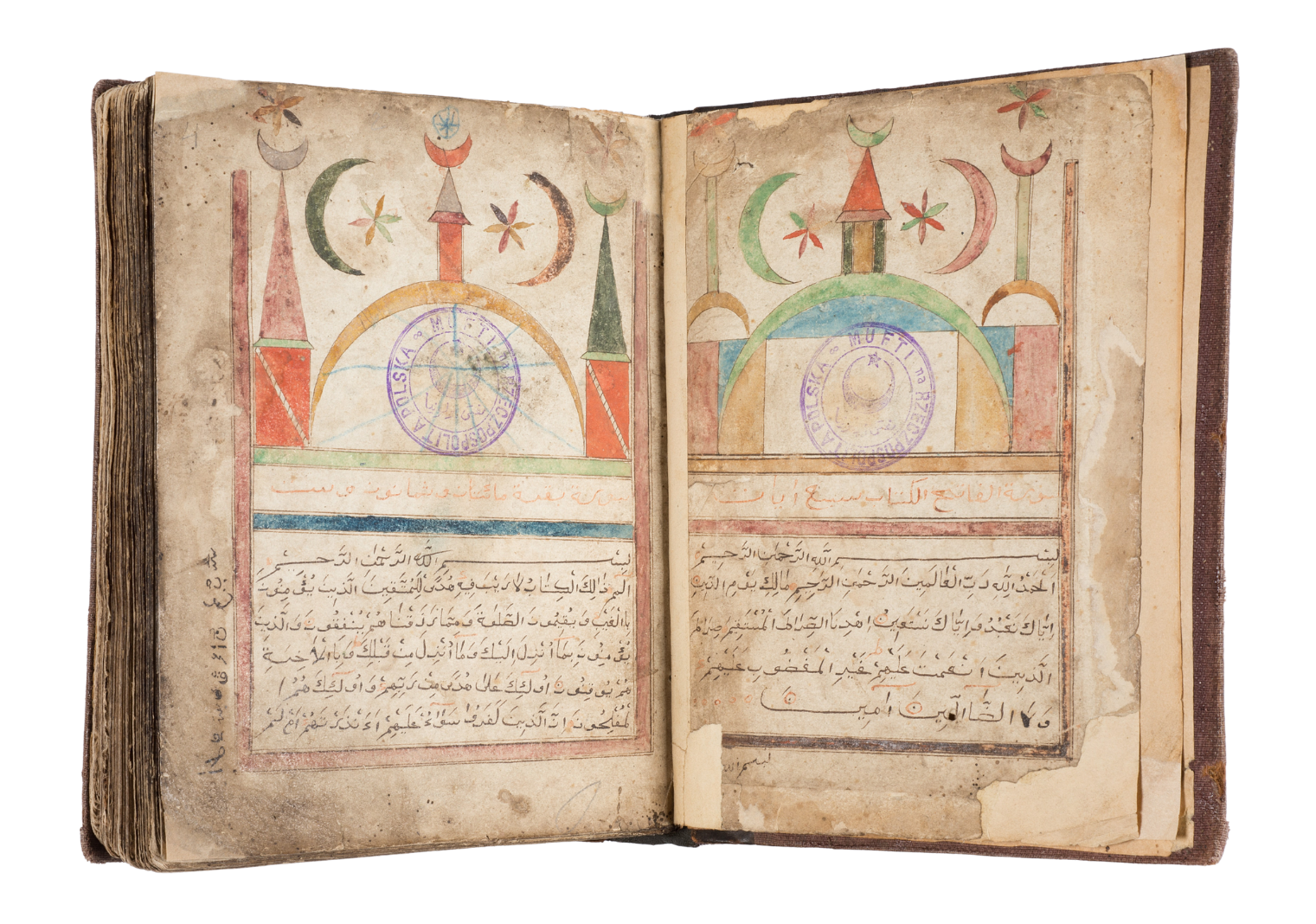
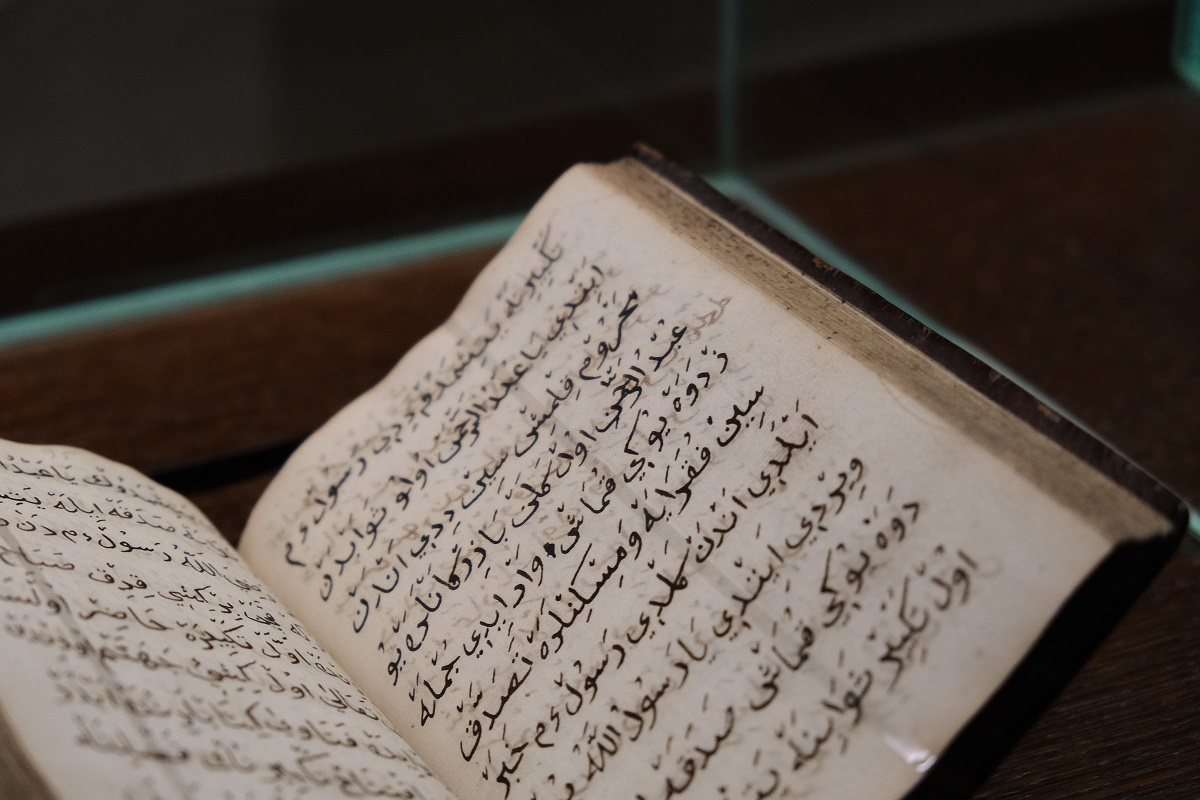
Qur’an
 manuscript of the Polish-Lithuanian Tatars, copyist Alej Żdanowicz, 1835
Lithuanian National Museum -
Qur’an
 manuscript of the Polish-Lithuanian Tatars, before 1848
Lithuanian National Museum
OLD POLISH CANTIQUES IN TATAR BOOKS | Christian Influences on Tatar Literature in the Polish-Lithuanian Commonwealth
Objects
-
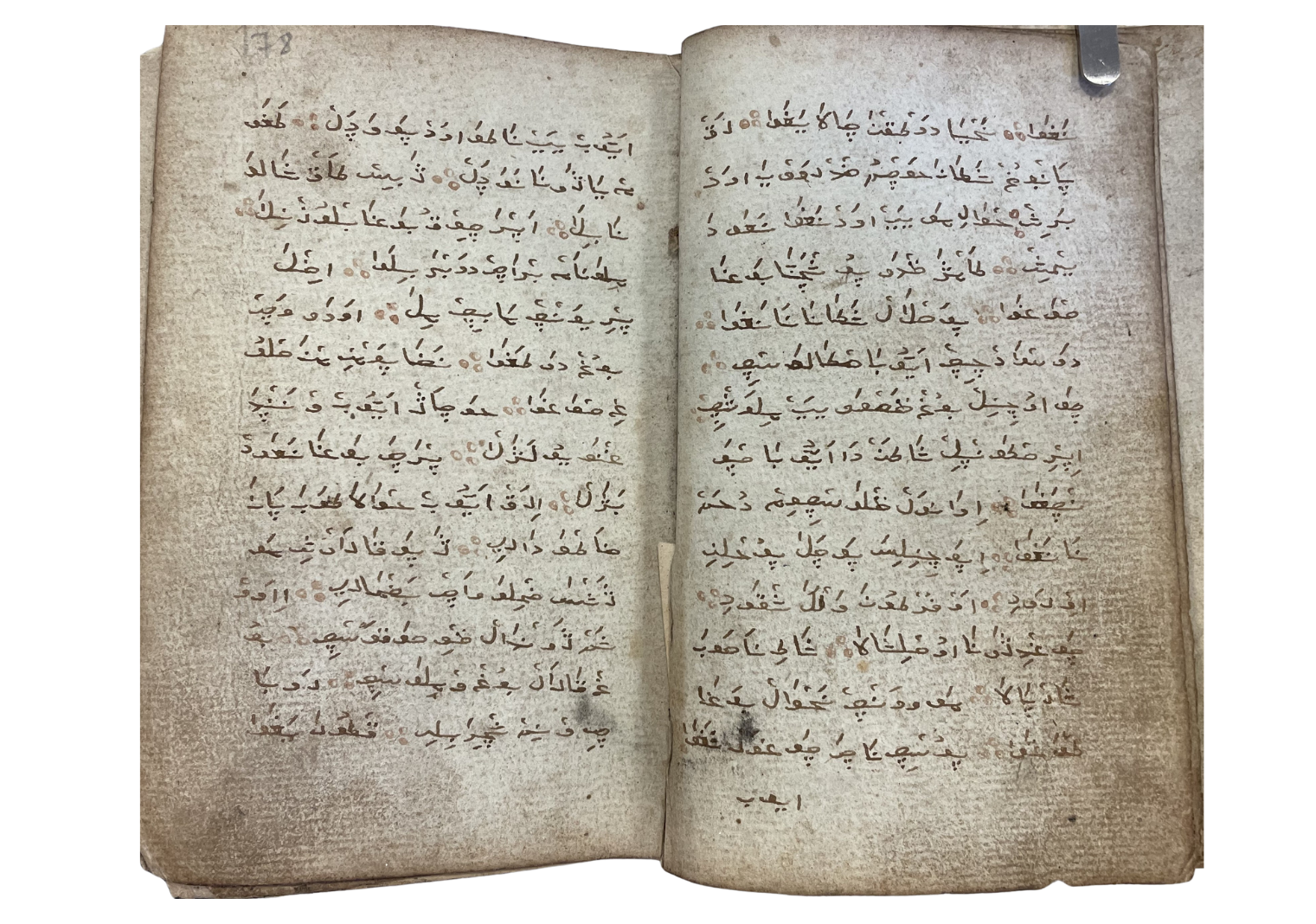
Kitab
 manuscript of the Polish-Lithuanian Tatars (containing, among others, fragments of Holy Scripture translated by Jakub Wujek, 1599, transcribed into the Arabic alphabet), copied in 1881–1886,
Lithuanian National Museum -
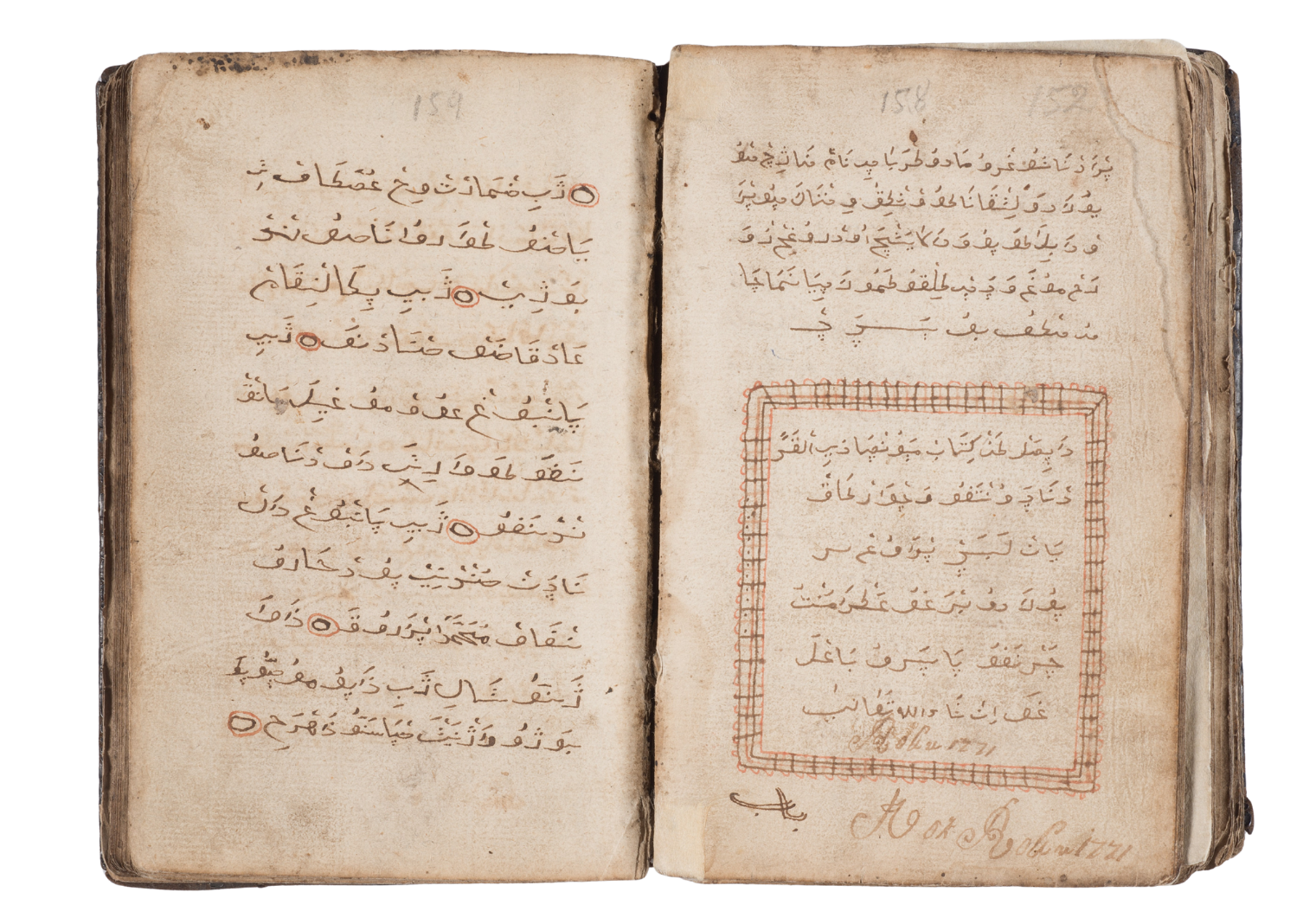
Kitab
 manuscript of the Polish-Lithuanian Tatars (containing, among others, an old Polish oration when giving a garland to the bride), copyist Jan Lebiedź, 1771,
Lithuanian National Museum
-
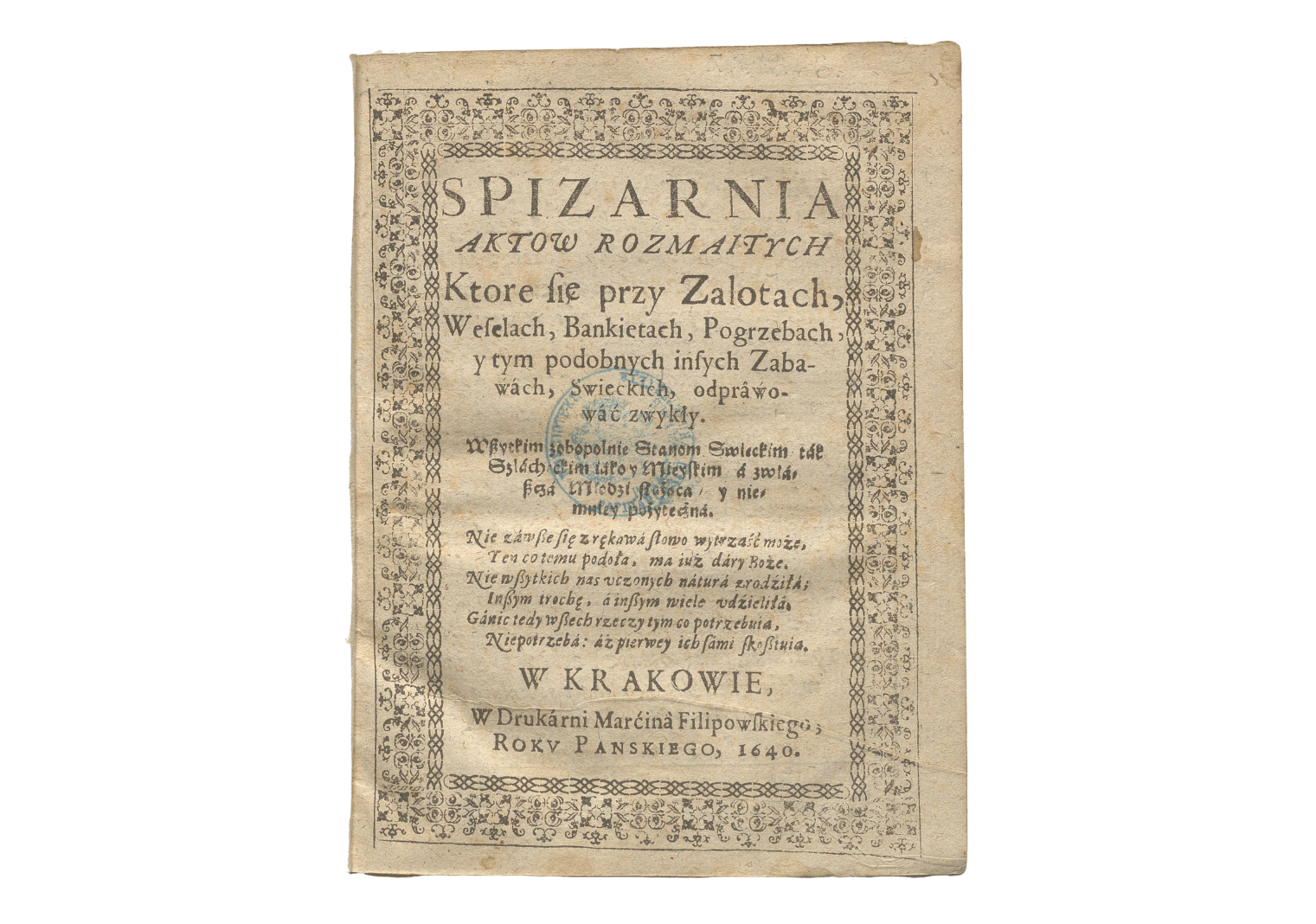
A pantry of various acts that are performed during courtship, weddings, banquets, funerals, and other worthy secular entertainments...
 Kraków 1680 (print with an old Polish oration adapted in Tatar prayer books in the Arabic alphabet as a wedding oration)
University of Warsaw Library -
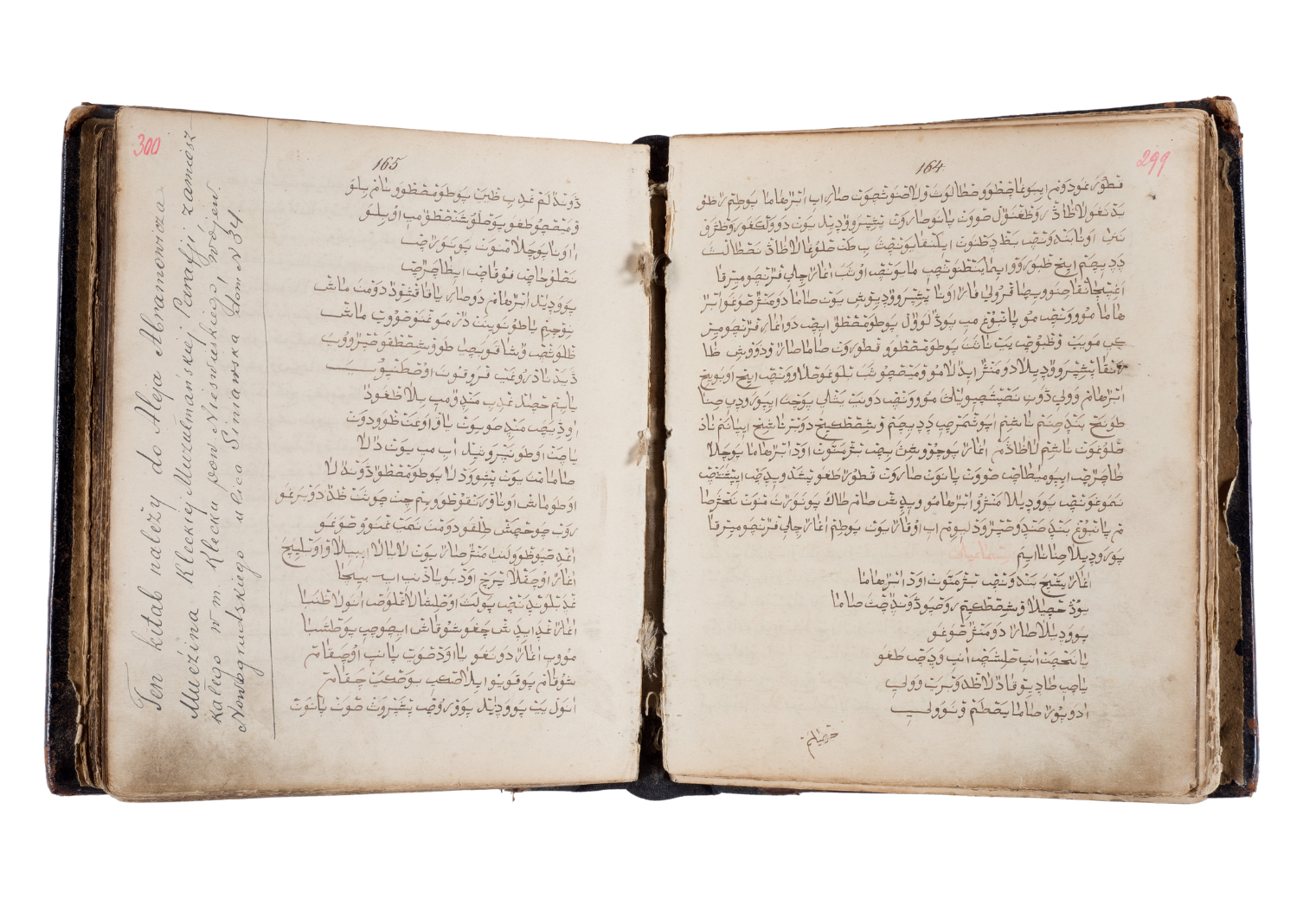
Khamail
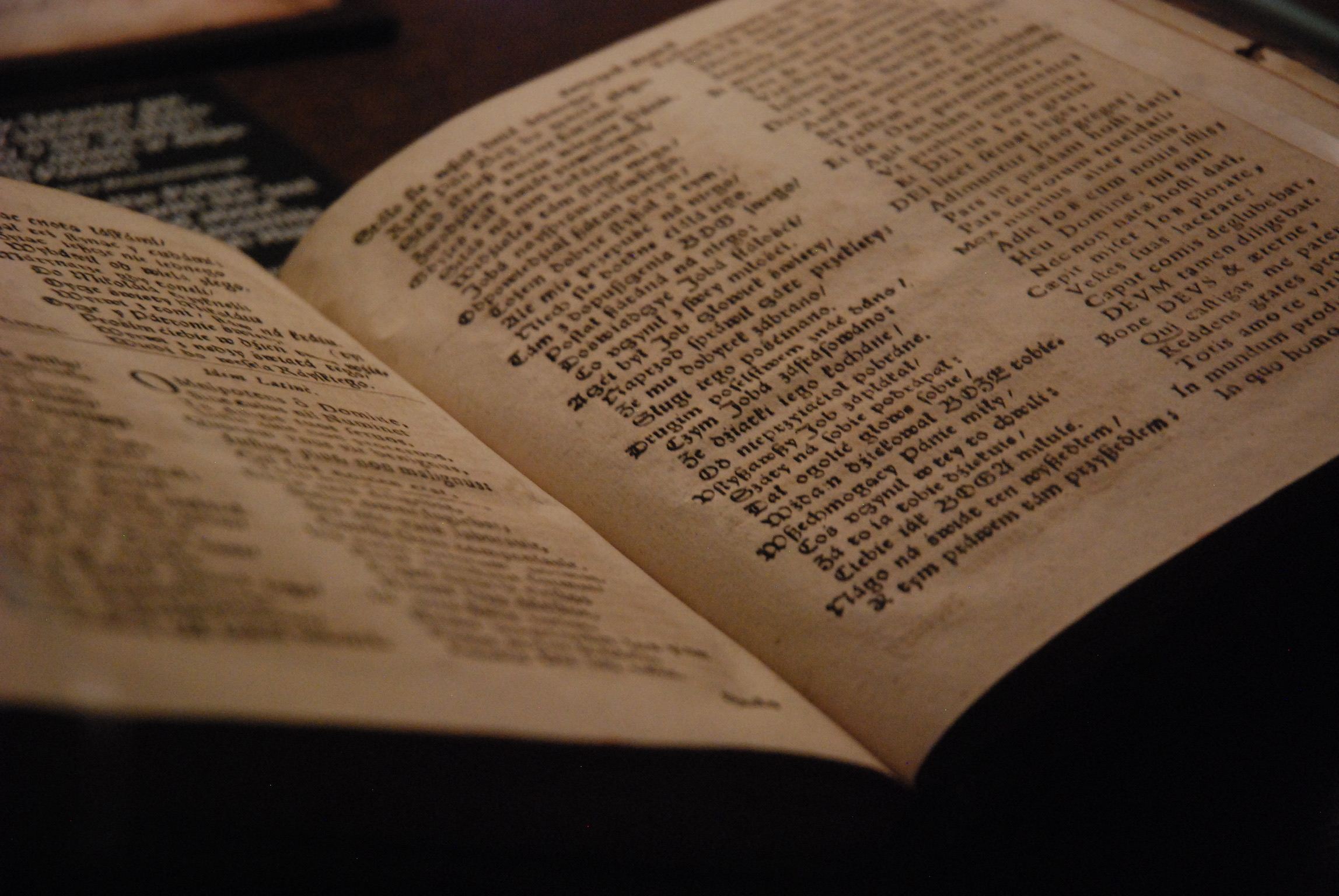
 prayer book of the Polish-Lithuanian Tatars (pages with the text of an old Polish song-legend about Saint Job), early 19th cent. [facsimile, object on deposit of the Polish History Museum]
Faculty of Oriental Studies, University of Warsaw -
Catholic songs newly reformed...
 Stanisław Serafin Jagodyński, Kraków 1695 (pages with the text of an old Polish medieval song-legend about Saint Job adapted to the Tatar manuscripts)
University of Warsaw Library
IN SEARCH OF COMMON SOURCES | Apocrypha of three religions
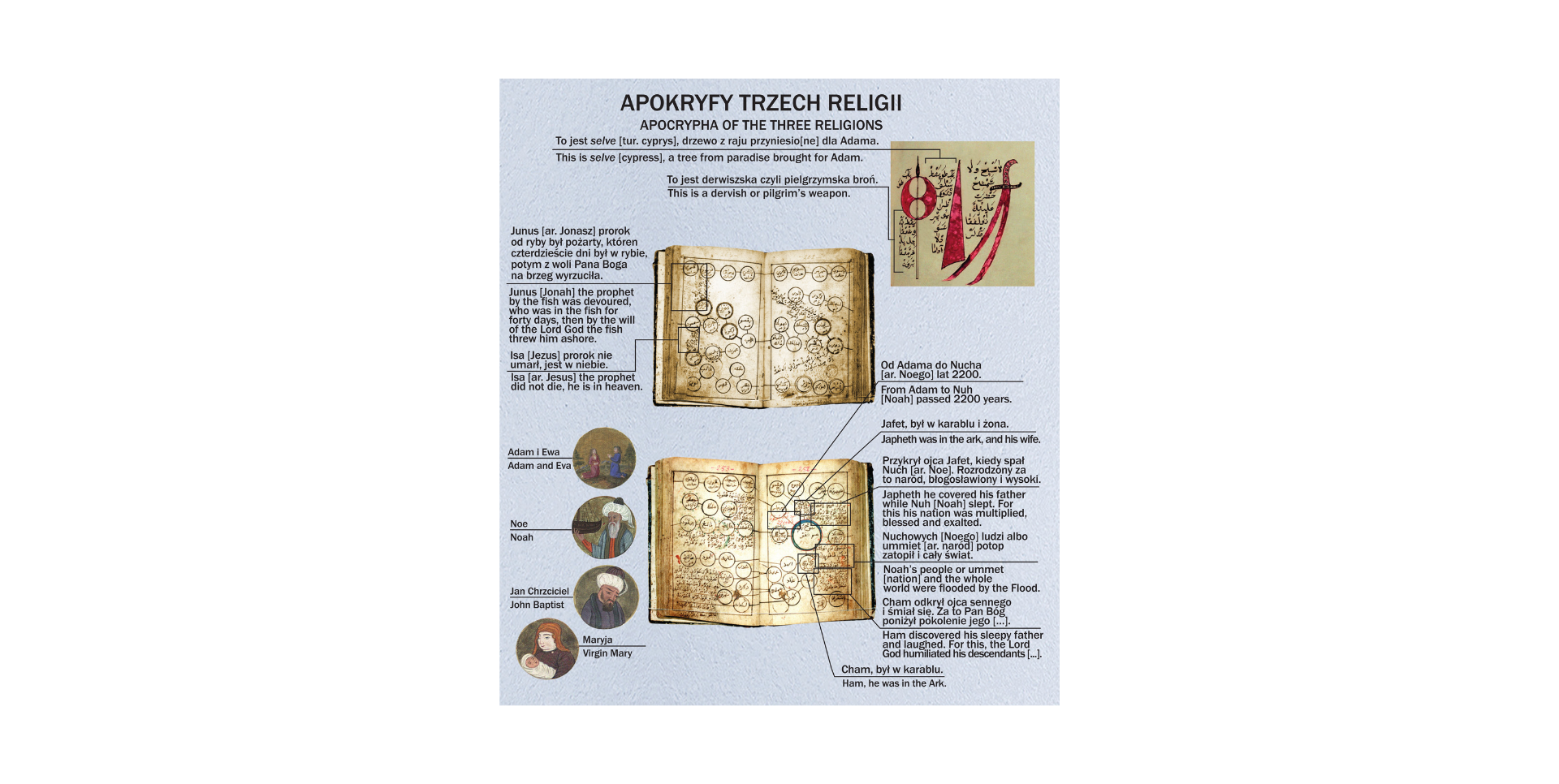
Objects
-
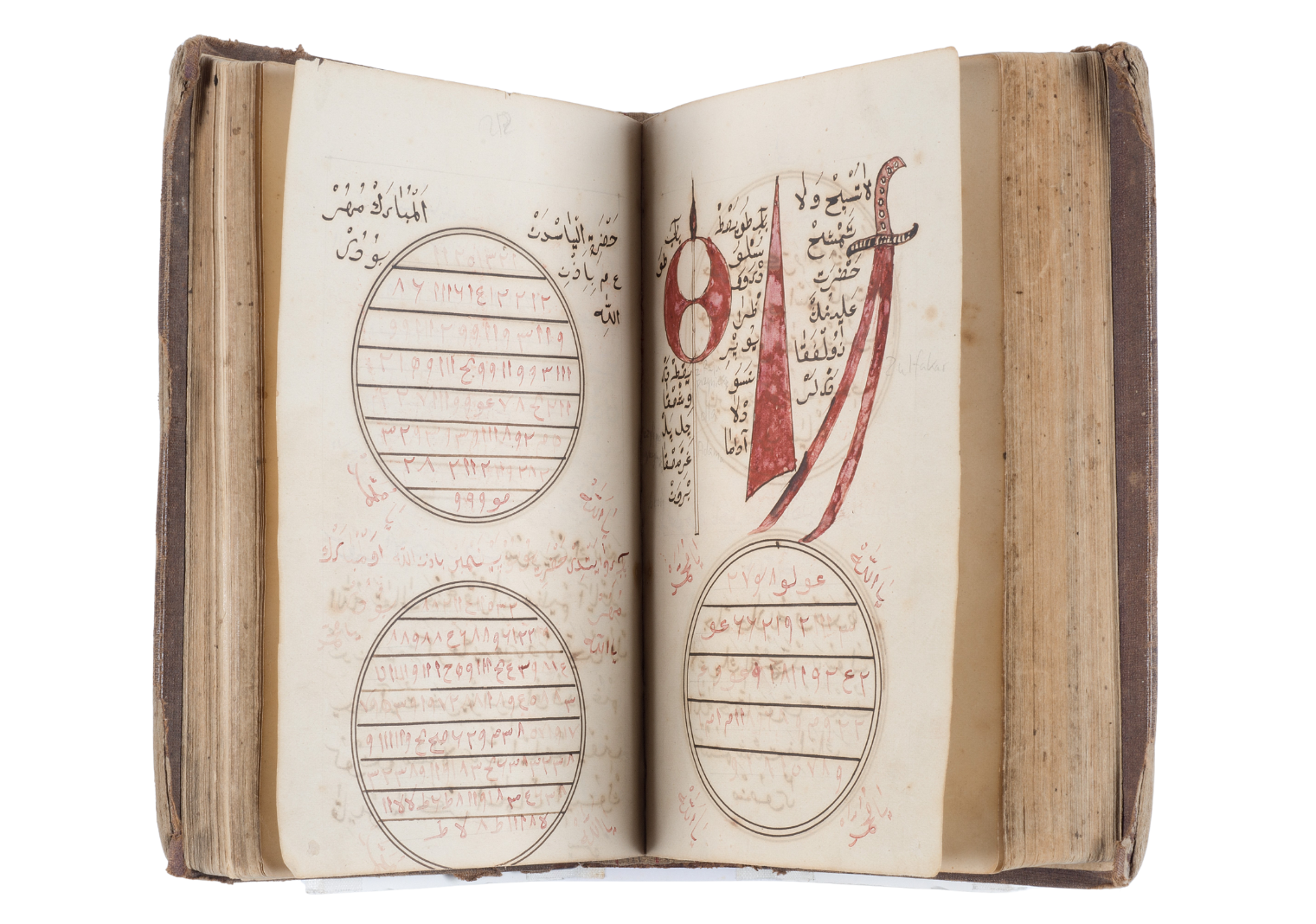
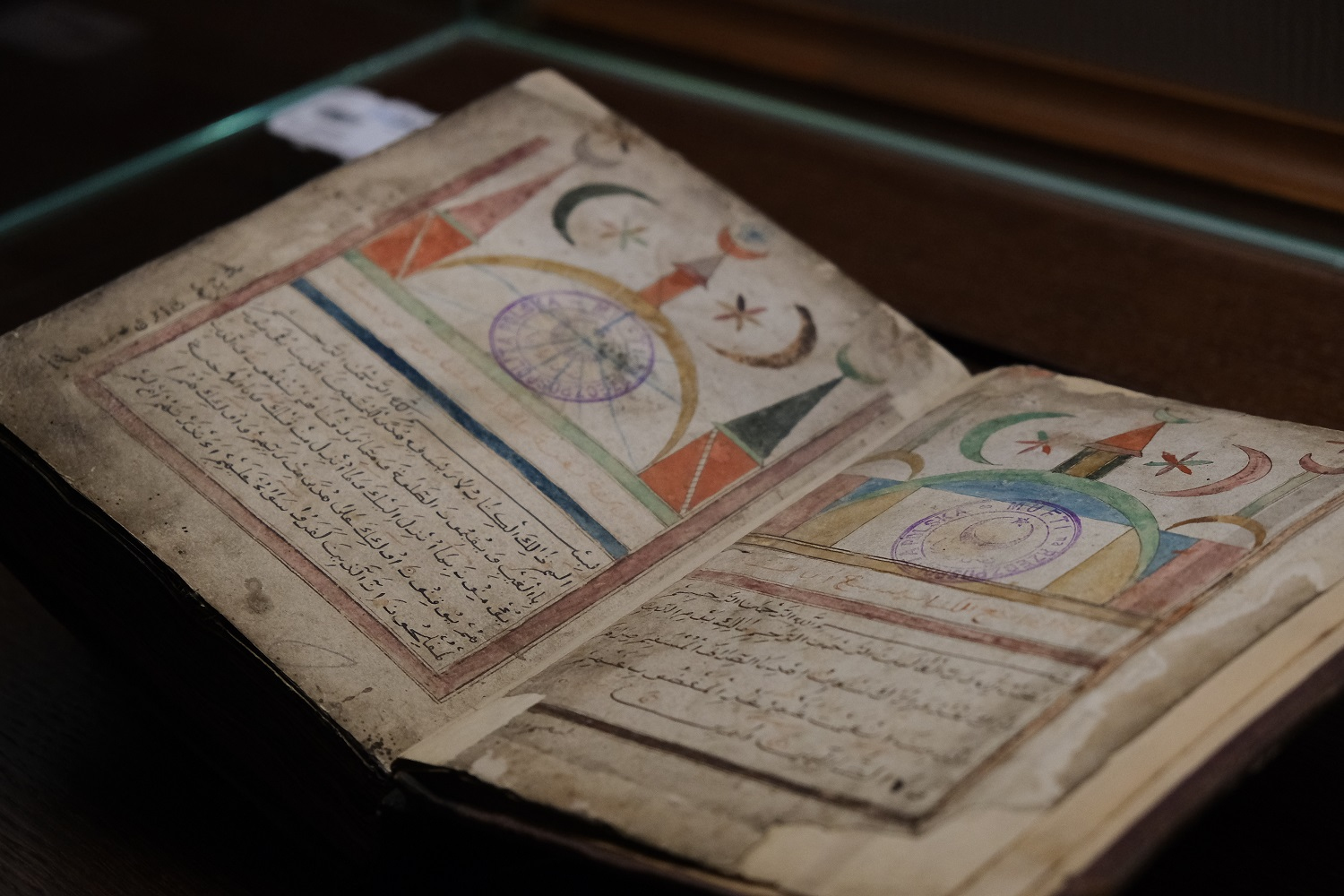
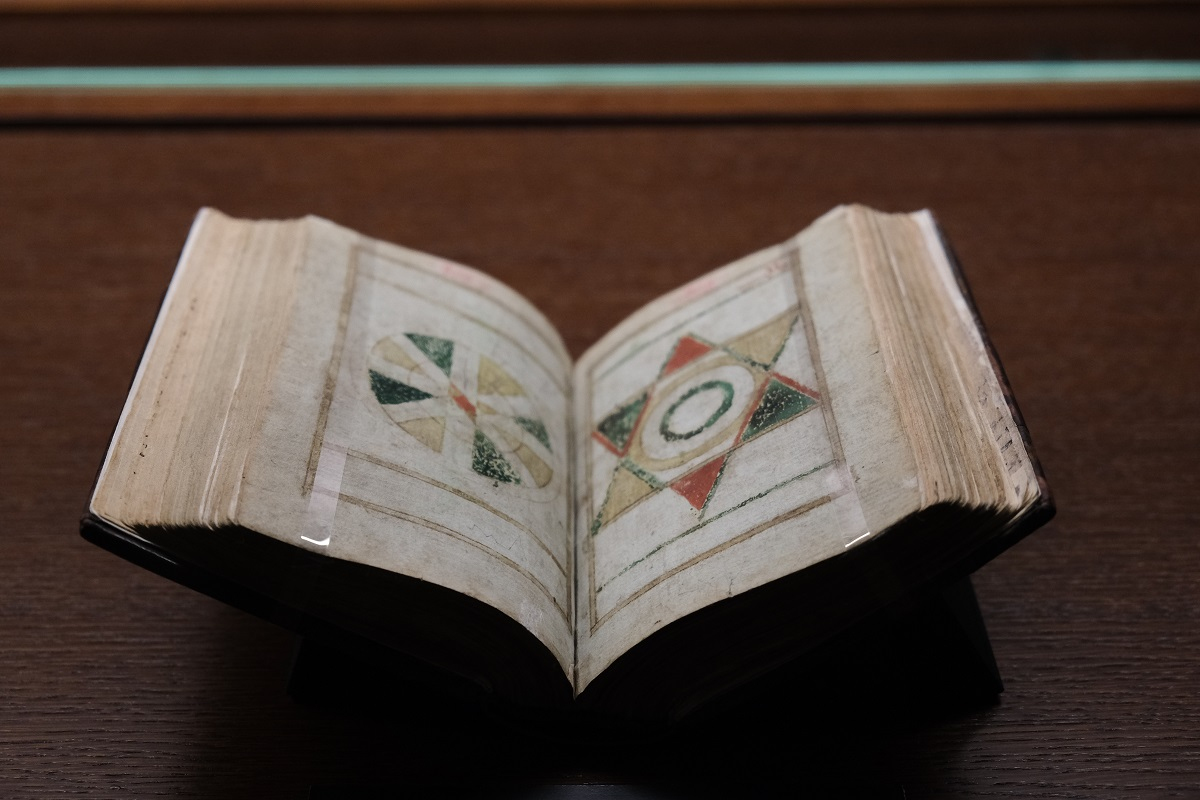
Khamail
 prayer book of the Polish-Lithuanian Tatars (pages with emblematic drawings and talismanic figures), before 1890
Lithuanian National Museum -
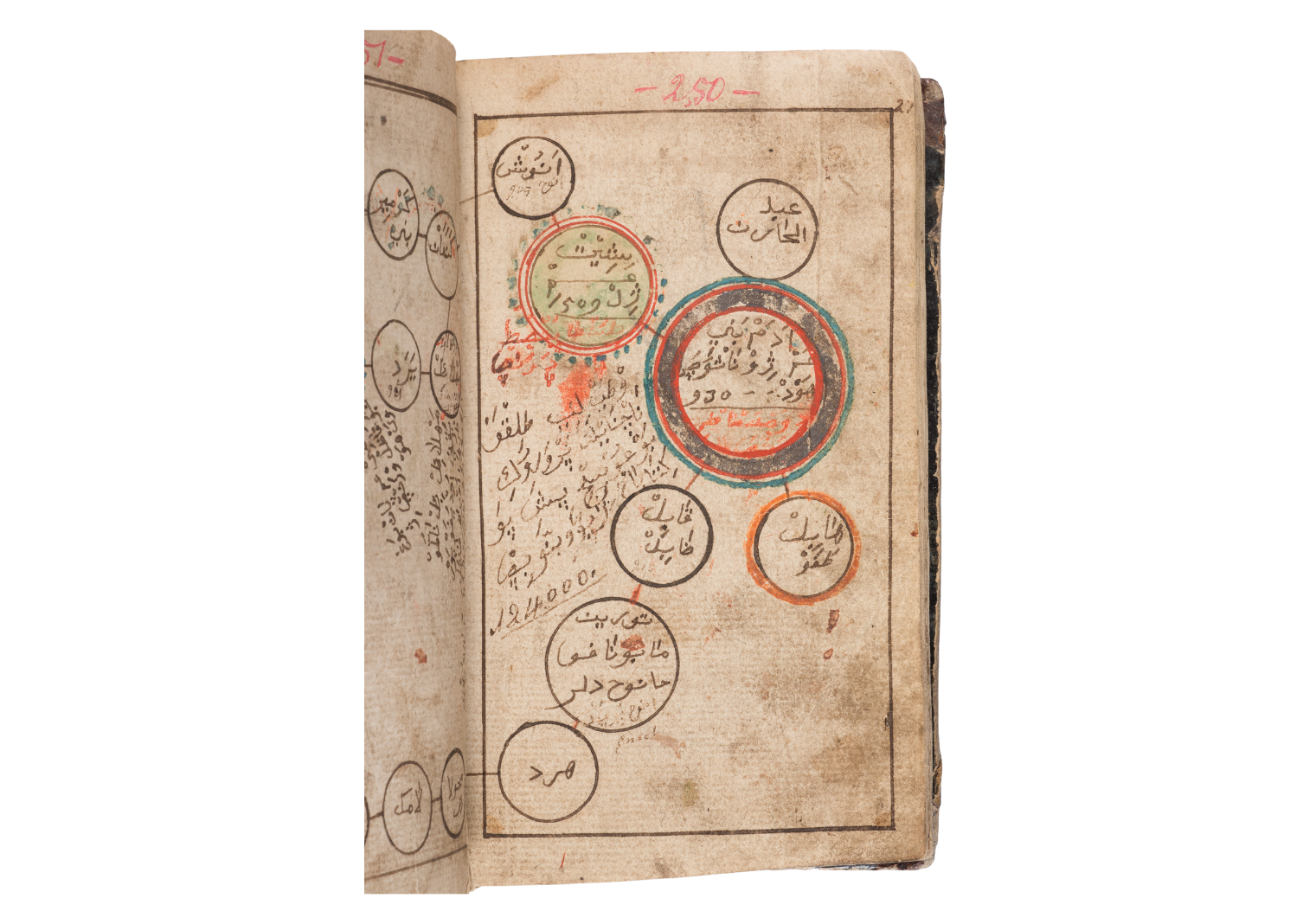
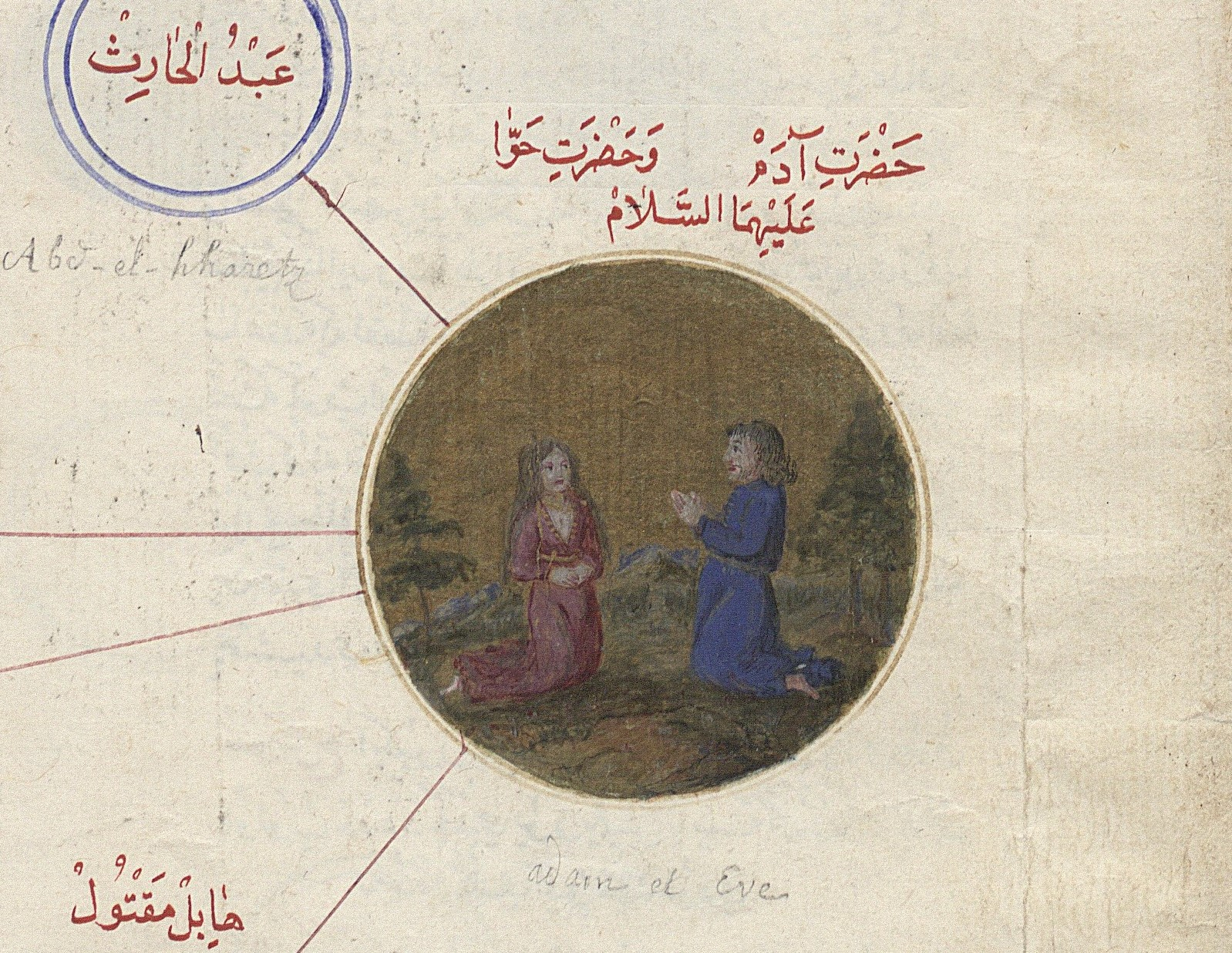
Khamail
 prayer book of the Polish-Lithuanian Tatars (pages with a family tree of the descendants of Adam and Eve) , 18/19th cent.
Lithuanian National Museum
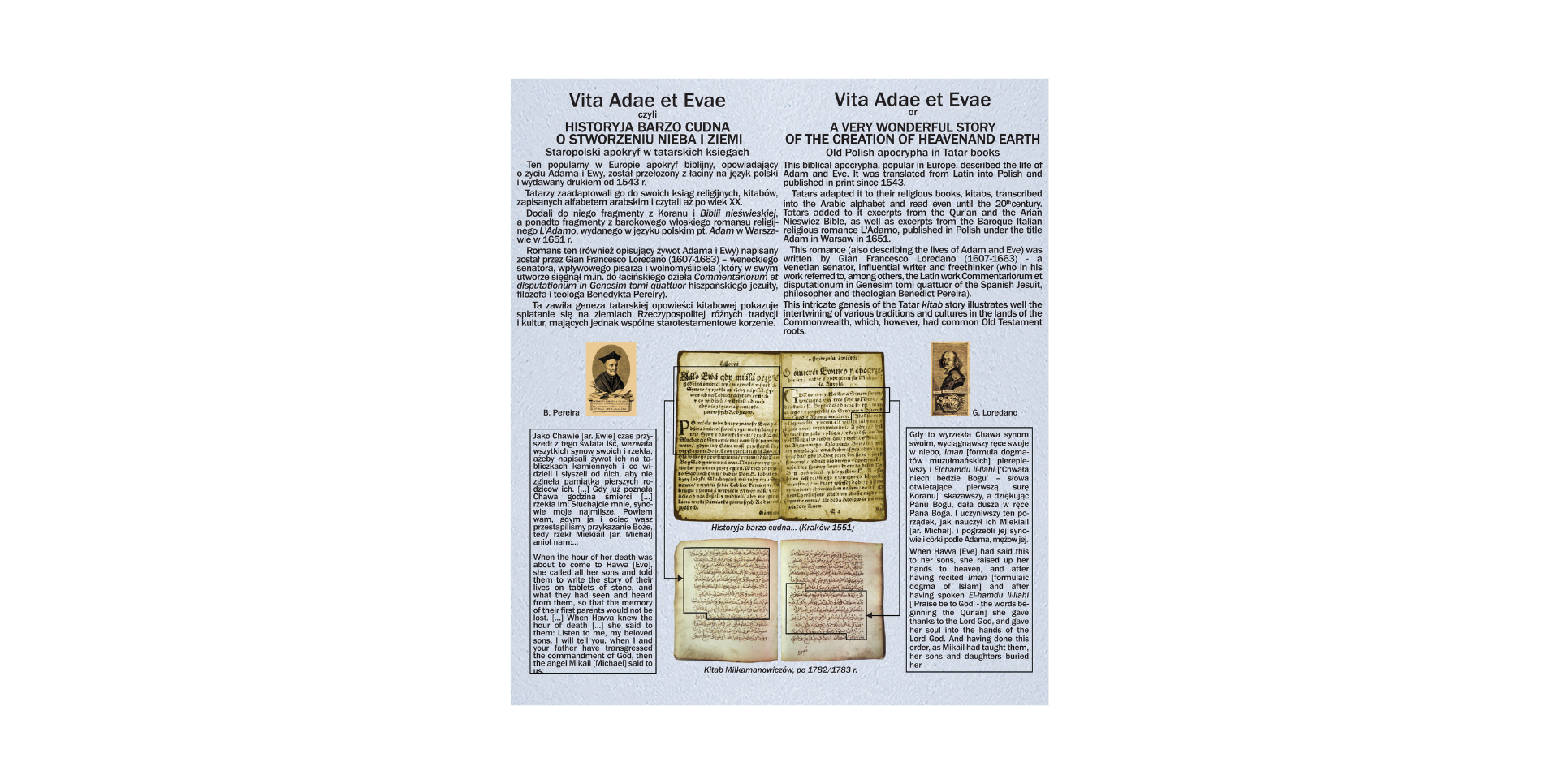
Vita Adae et Evae
Objects
-
Kitab
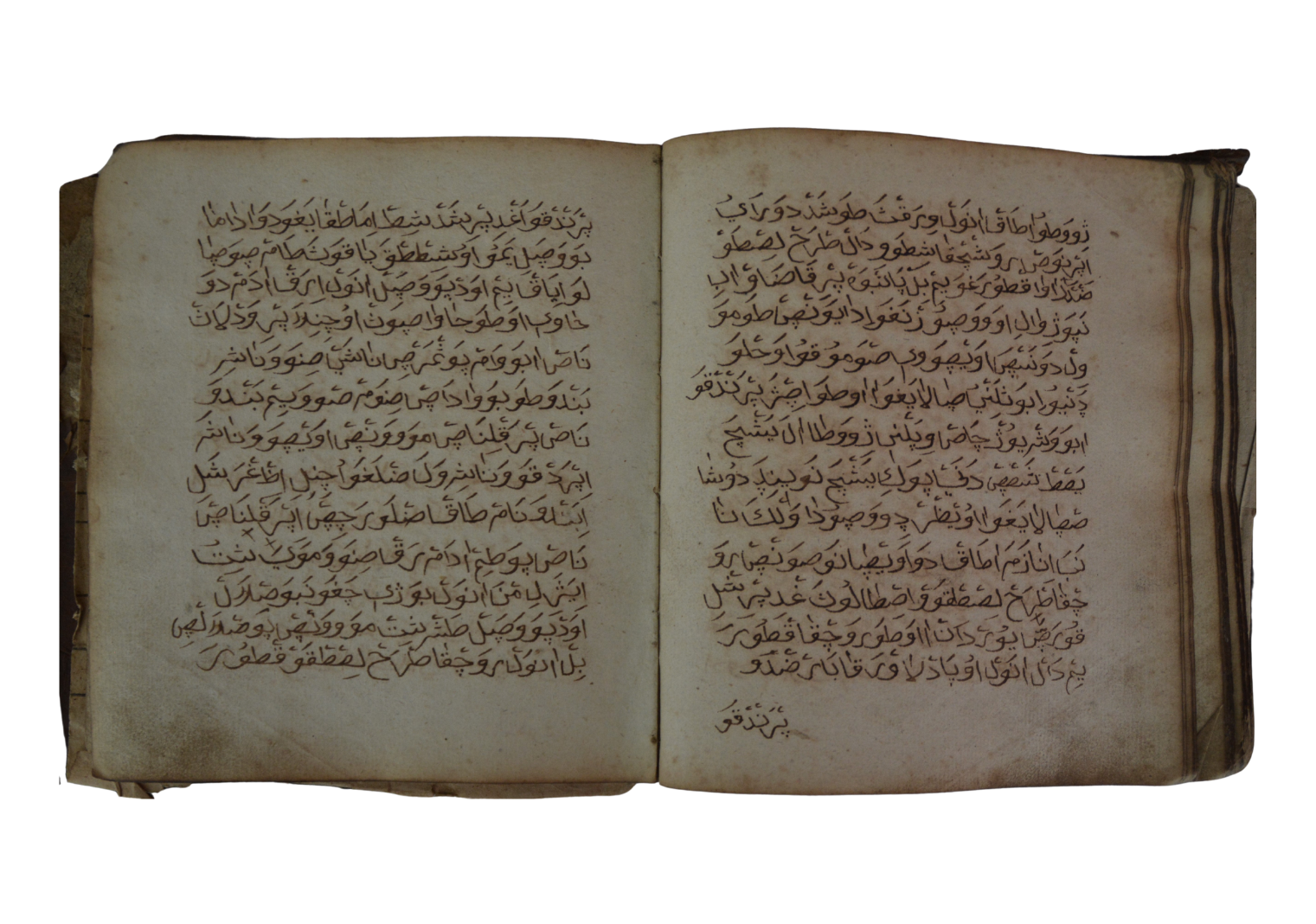
 manuscript of the Polish-Lithuanian Tatars (pages with the text of the Old Polish Polish version of Vita Adae et Evae from 1543), 1782/1783
Tatar family archive
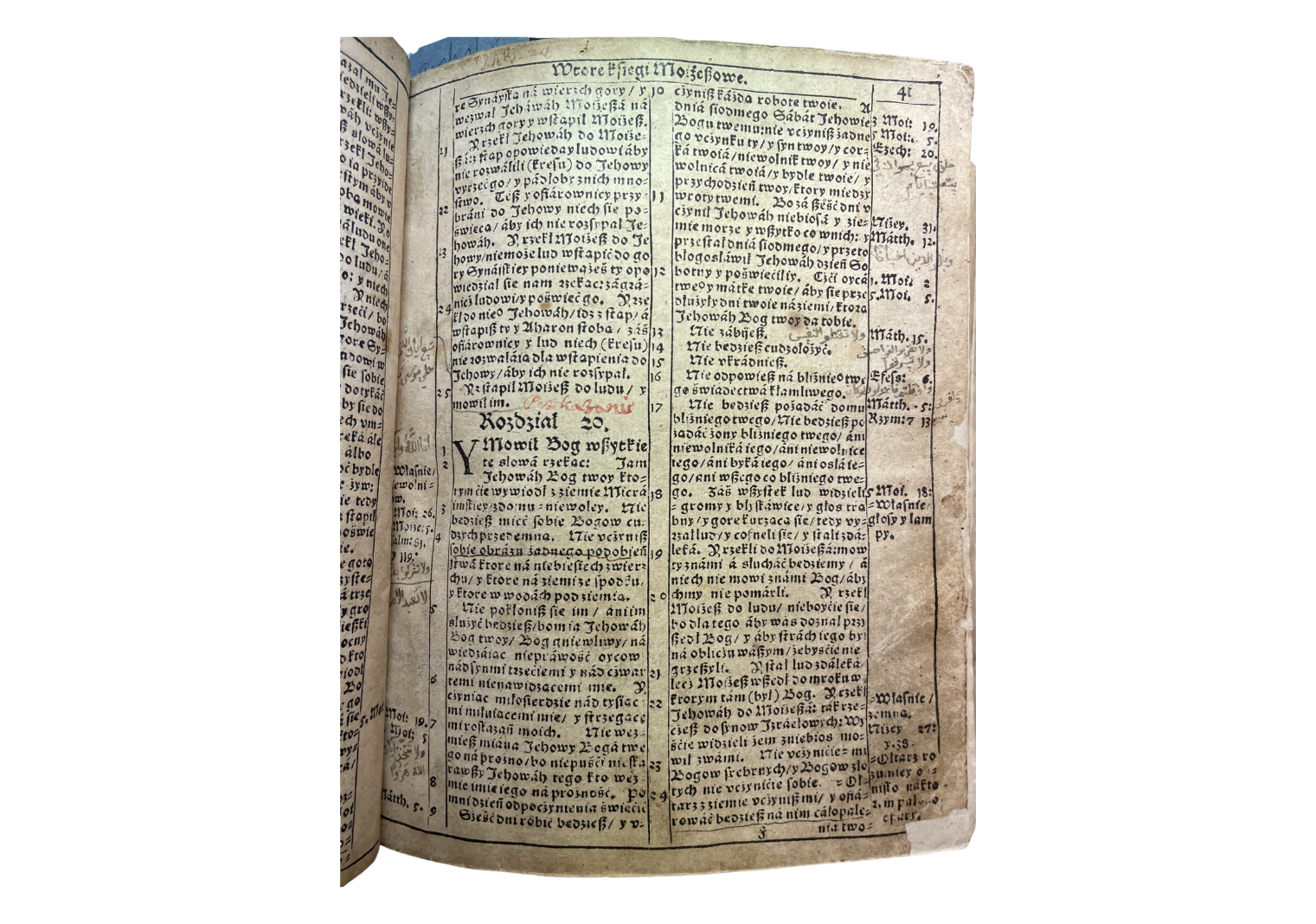
Antitrinitarian Bible among the Tatars
Objects
-
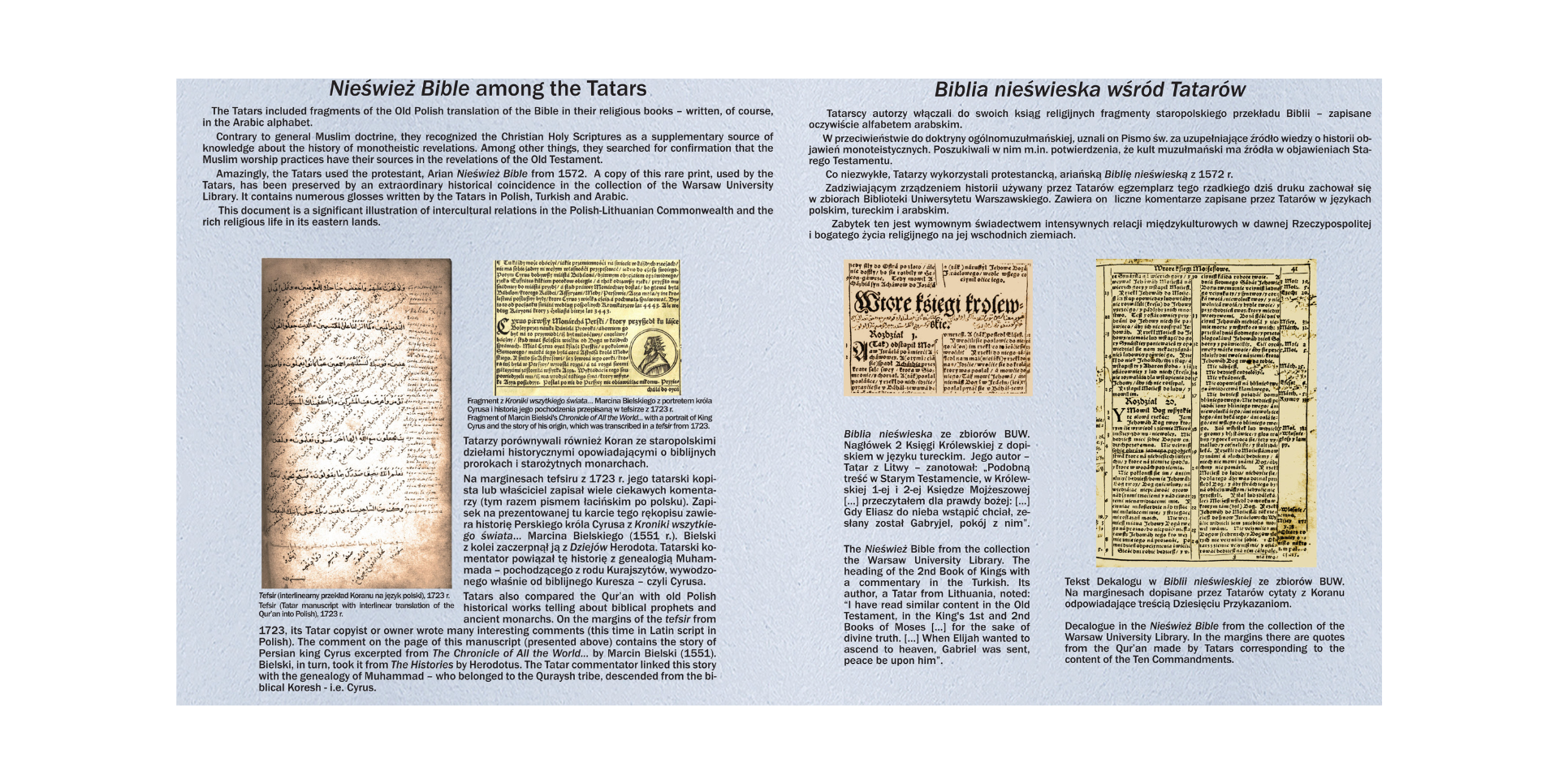
Nieśwież Bible
 transl. by Szymon Budny, Nieśwież 1572 (the copy used by the Polish-Lithuanian Tatars, with comments written in Arabic script)
University of Warsaw Library
THIS IS THE GREAT LIGHT | Piety and faith in the Creator's care as given in Tatar prayer books
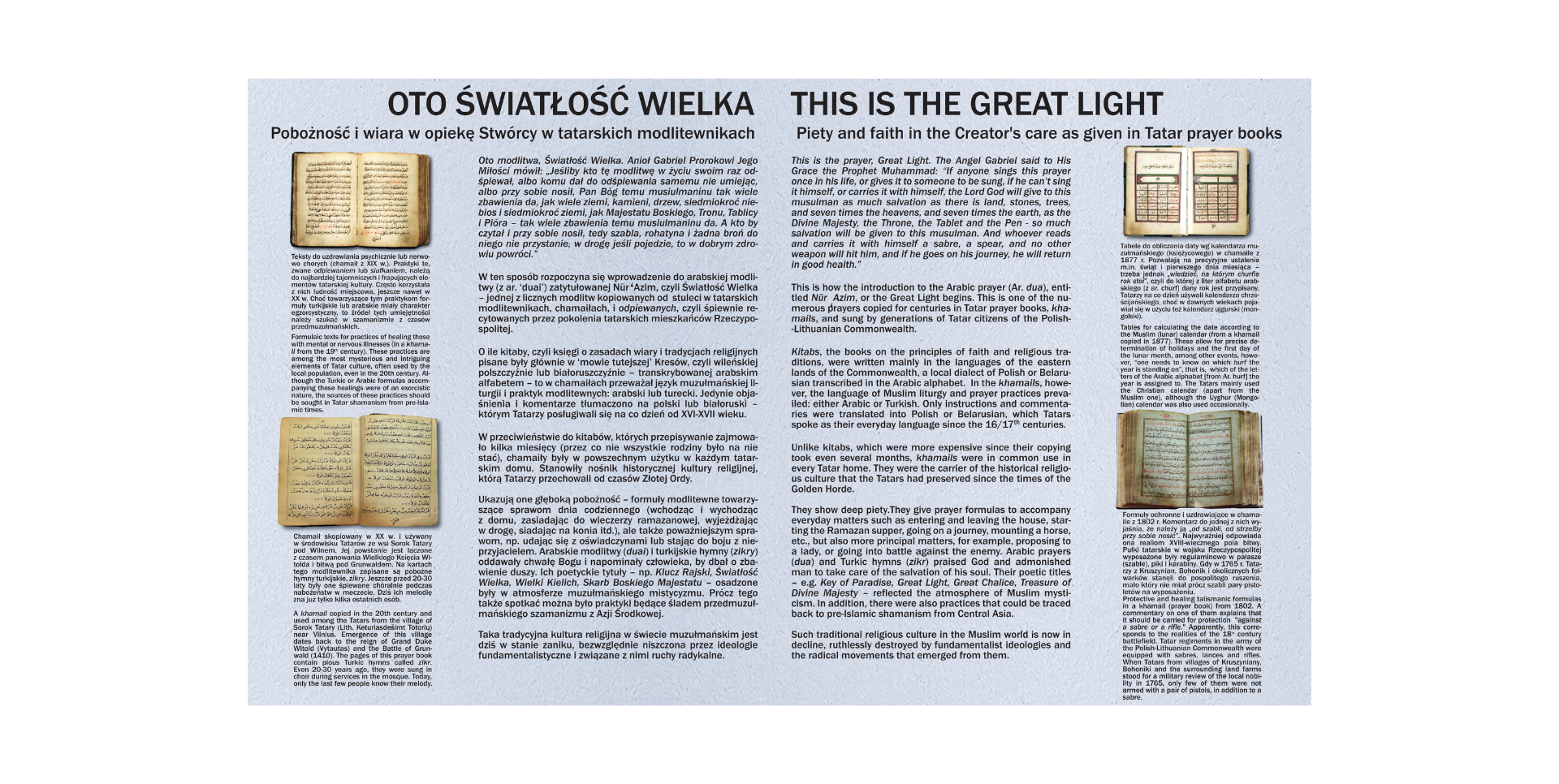
Objects
-
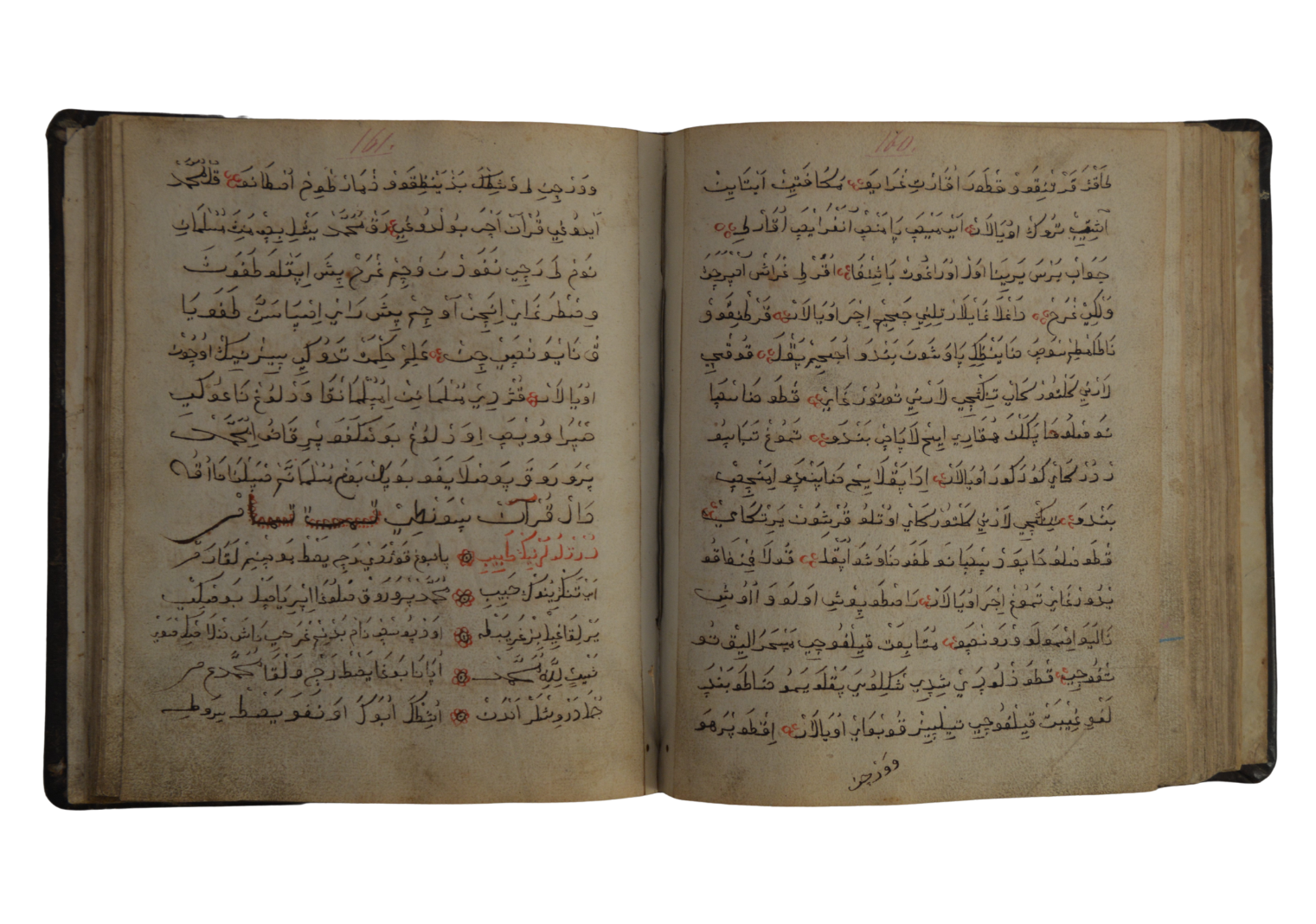
Kitab
 manuscript of the Polish-Lithuanian Tatars (pages with the Turkish religious hymn, zikr, and a parallel translation into Polish written in Arabic script), 18/19th cent.
Private collection -
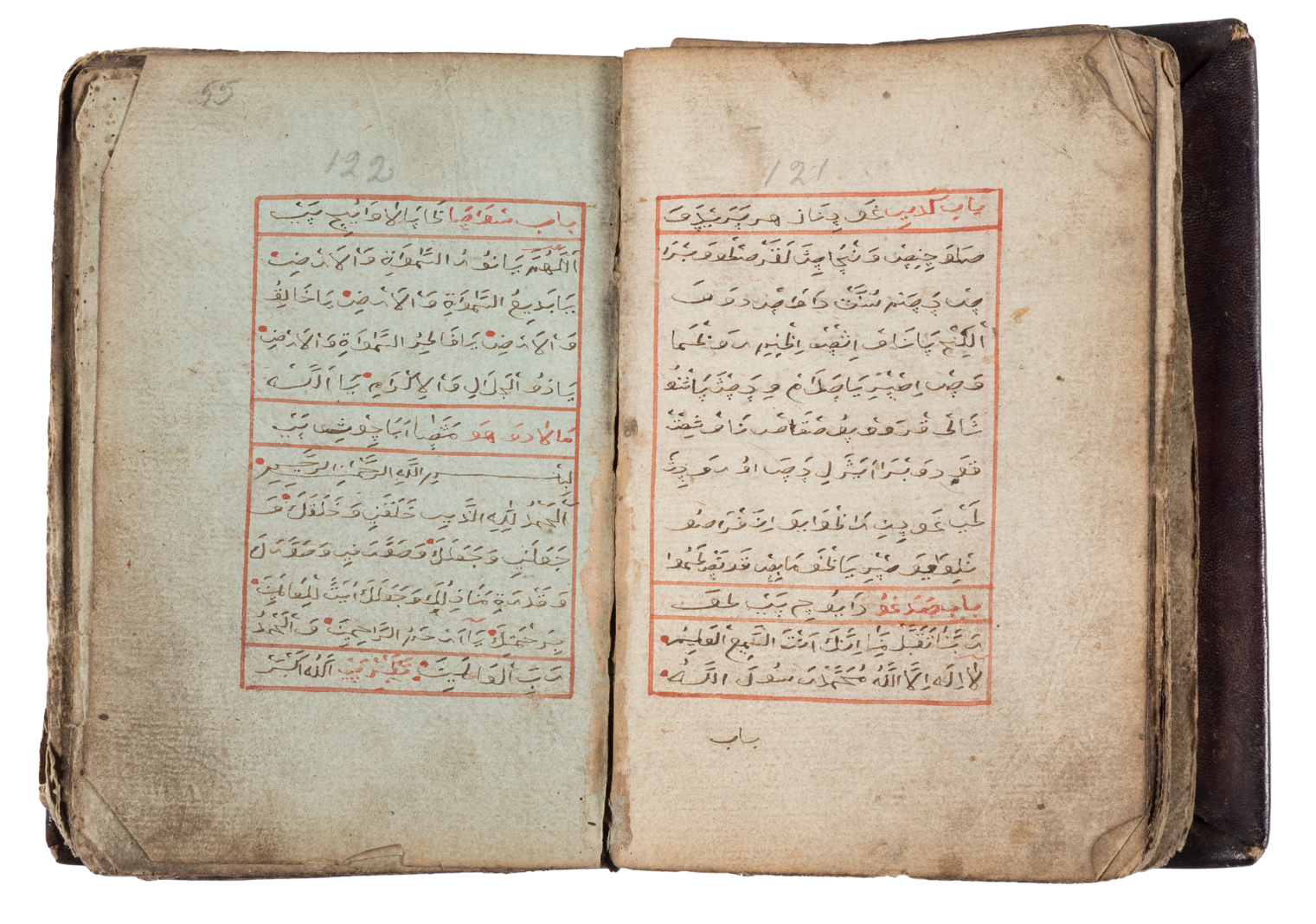
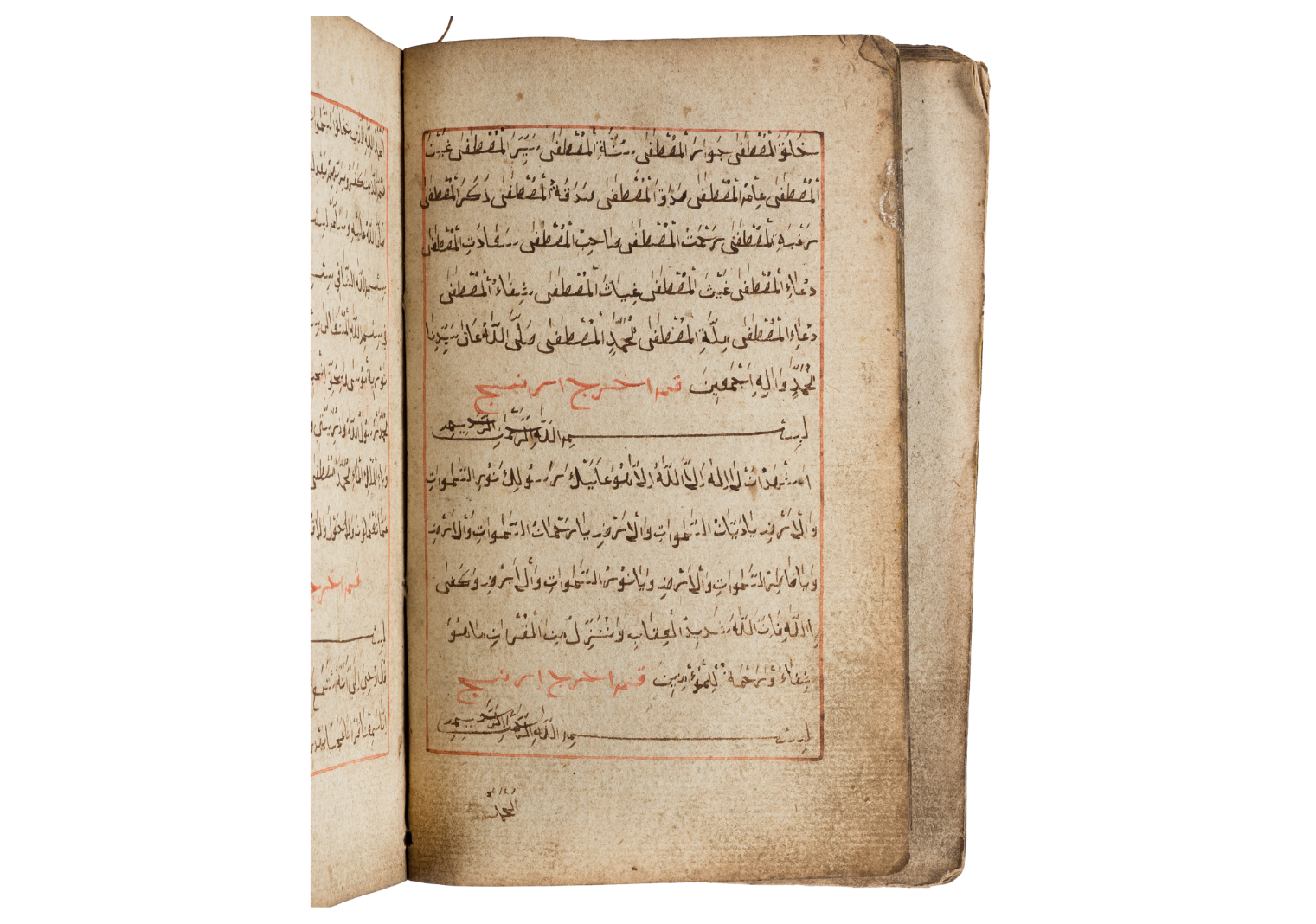
Khamail
 prayer book of the Polish-Lithuanian Tatars (pages with Arabic protective formulas), 18/19th cent.
Lithuanian National Museum -
Khamail
 prayer book of the Polish-Lithuanian Tatars (pages with Belarusian commentary on the Arabic prayer 'Spiritual Birds'), 1st half of the 19th cent.
Lithuanian National Museum -
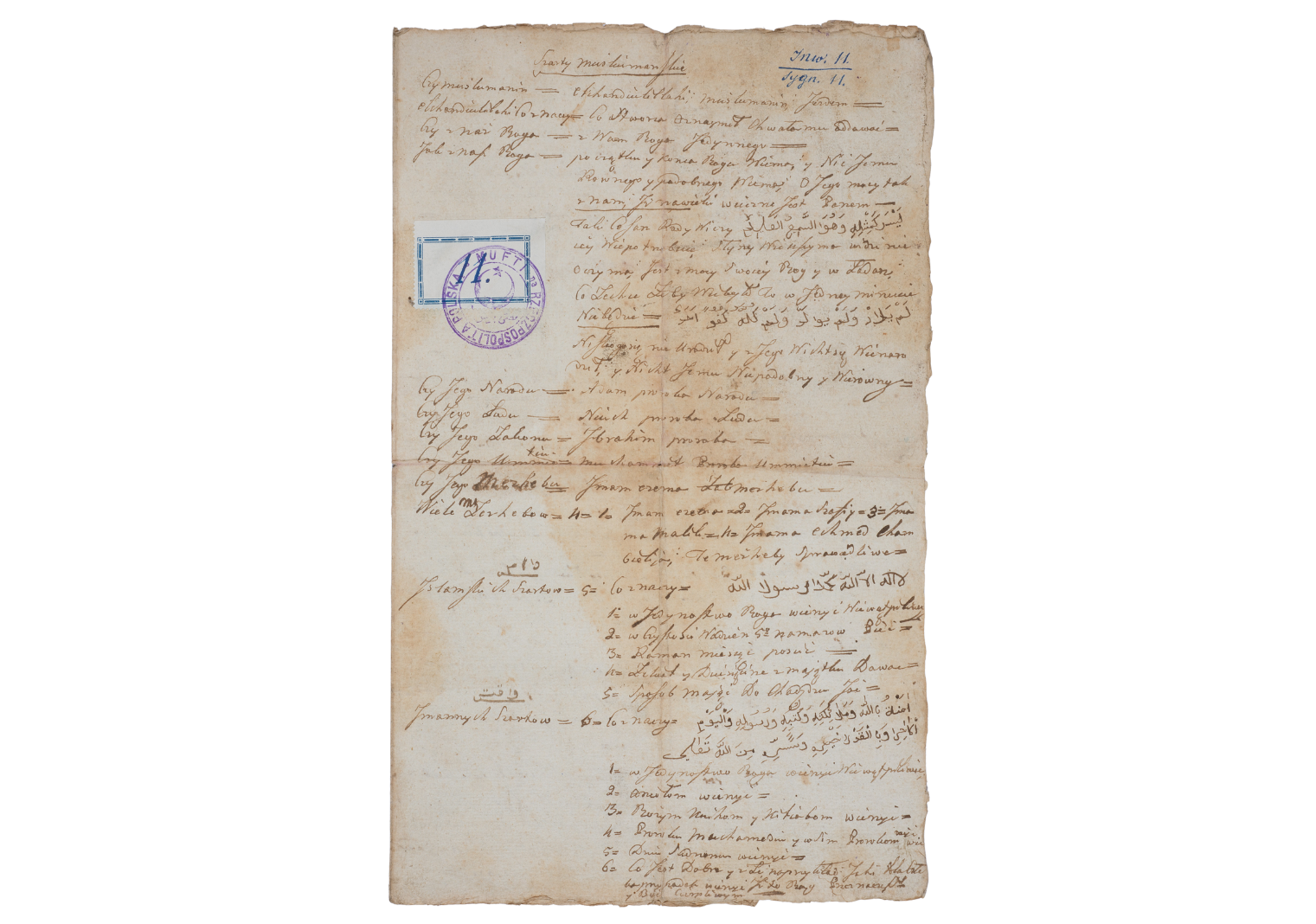
List of sharts
 manuscript of the Polish-Lithuanian Tatars with principles, prohibitions and religious duties (in Latin alphabet), 1815
Lithuanian National Museum
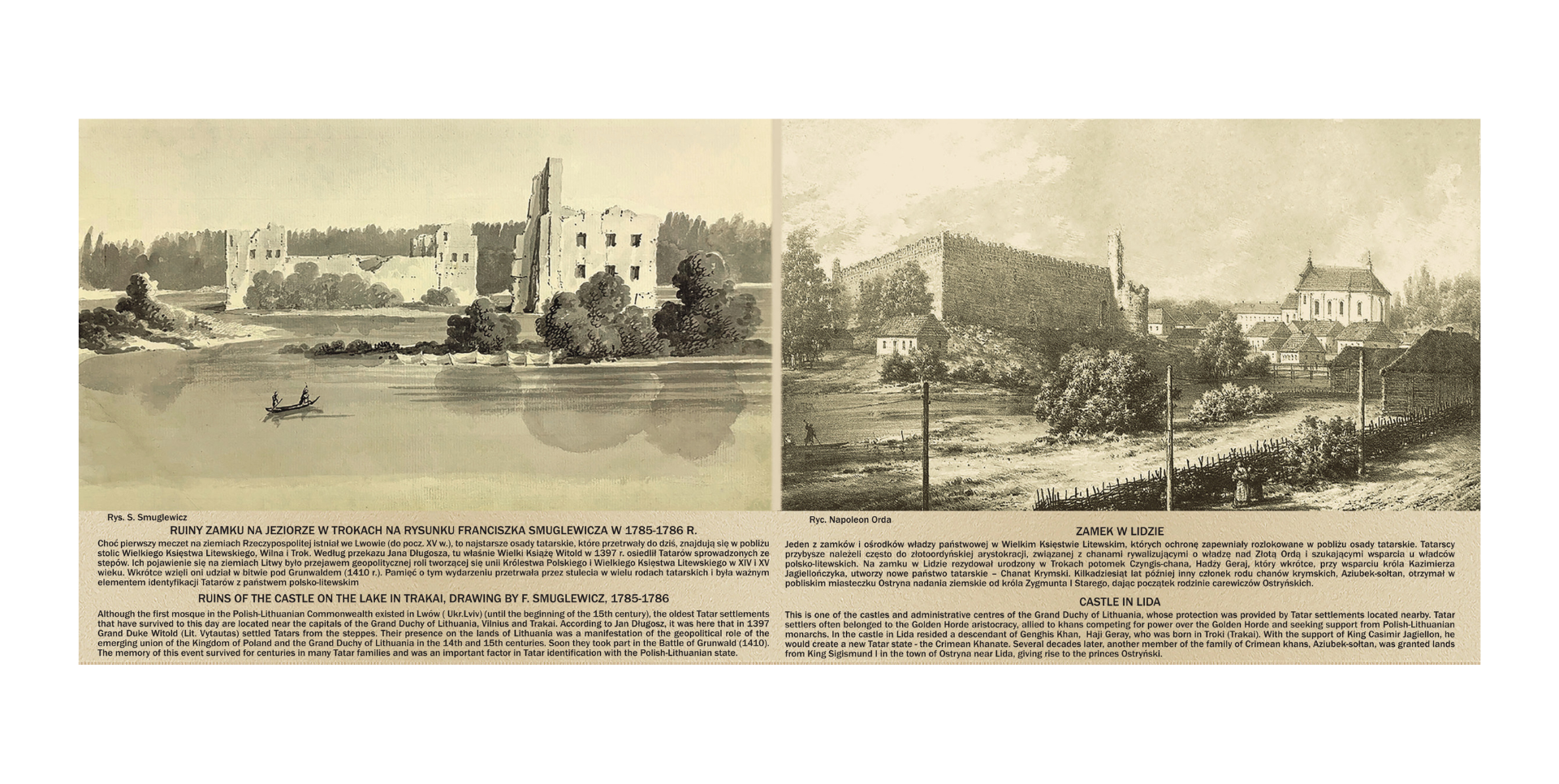
AMONG CASTLES, MANOR HOUSES, AND GENTRY VILLAGES | For the gratitude of God and for all the paternal folk
Objects
-
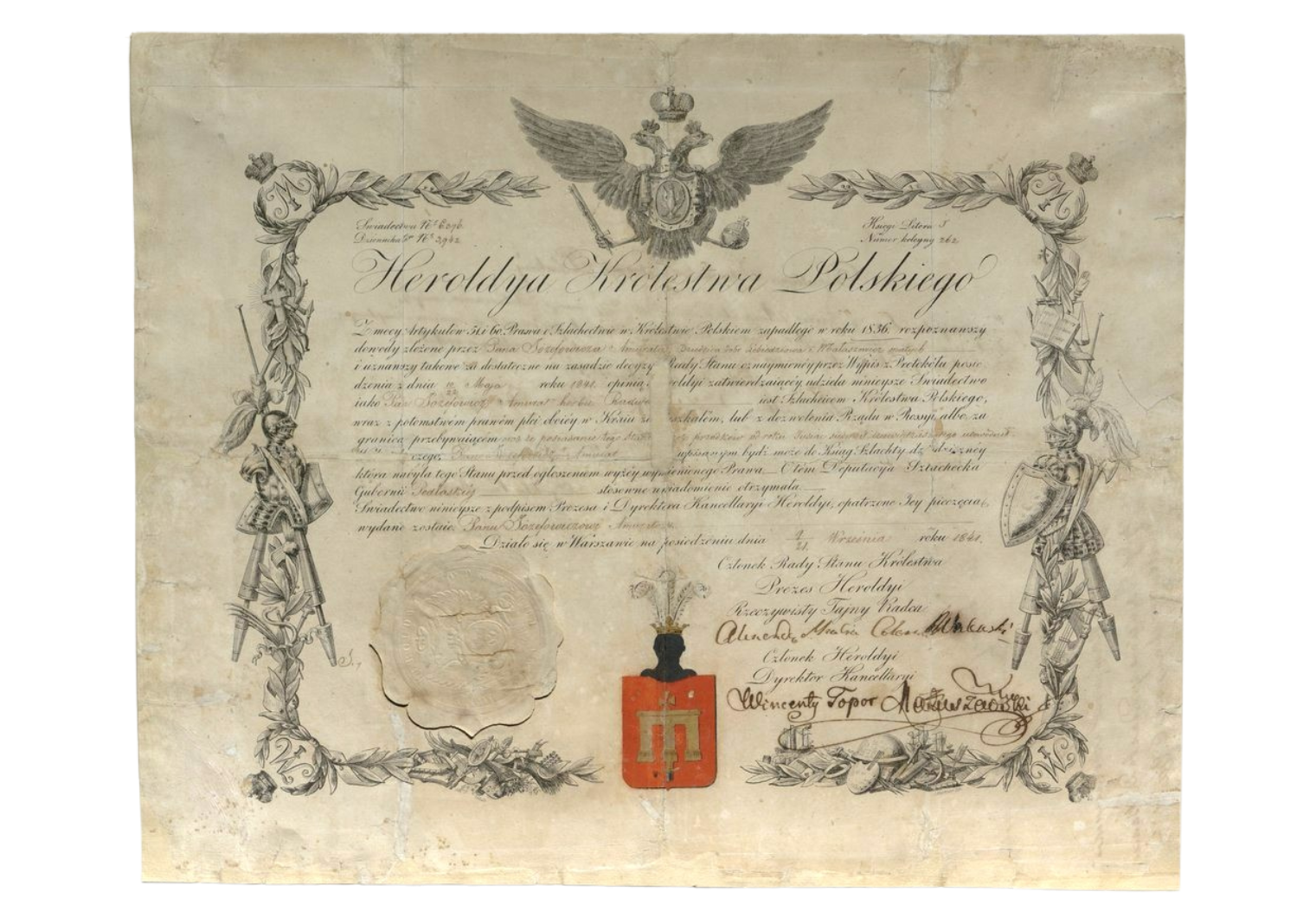
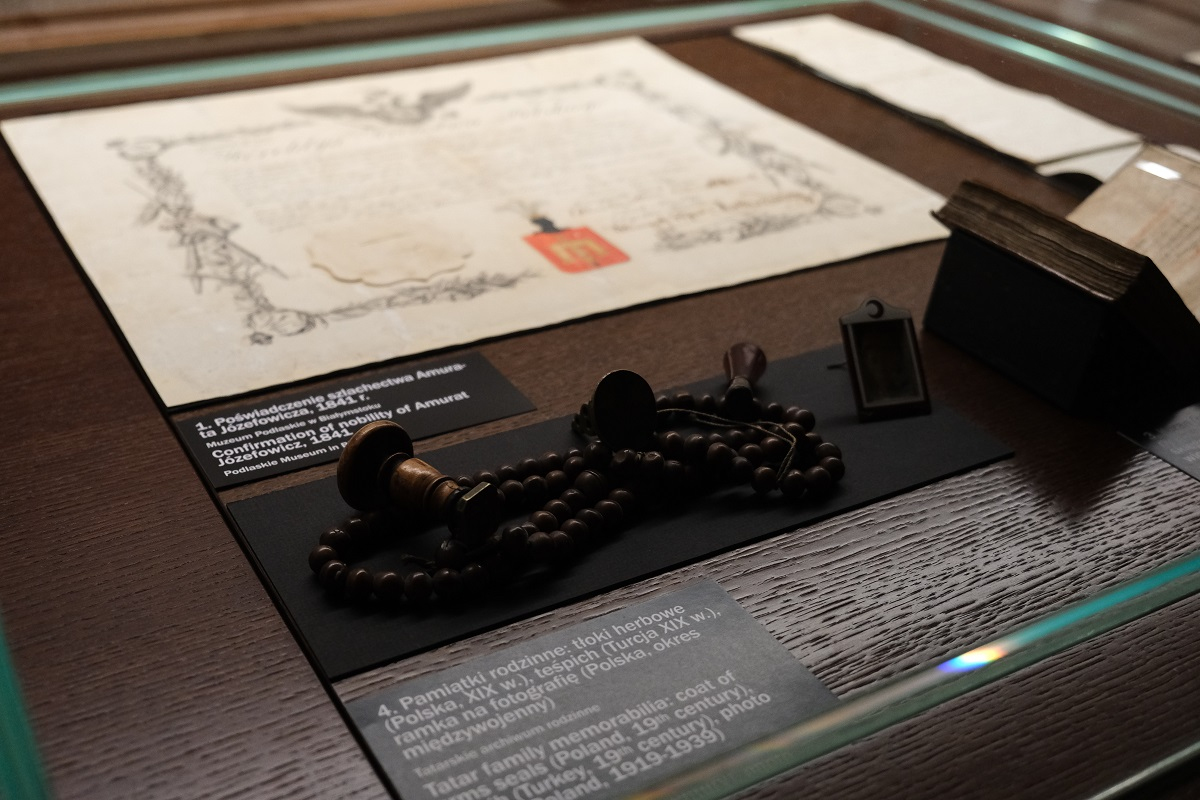
Confirmation of nobility of Amurat Józefowicz
 1841
1841
Podlaskie Museum in Białystok -
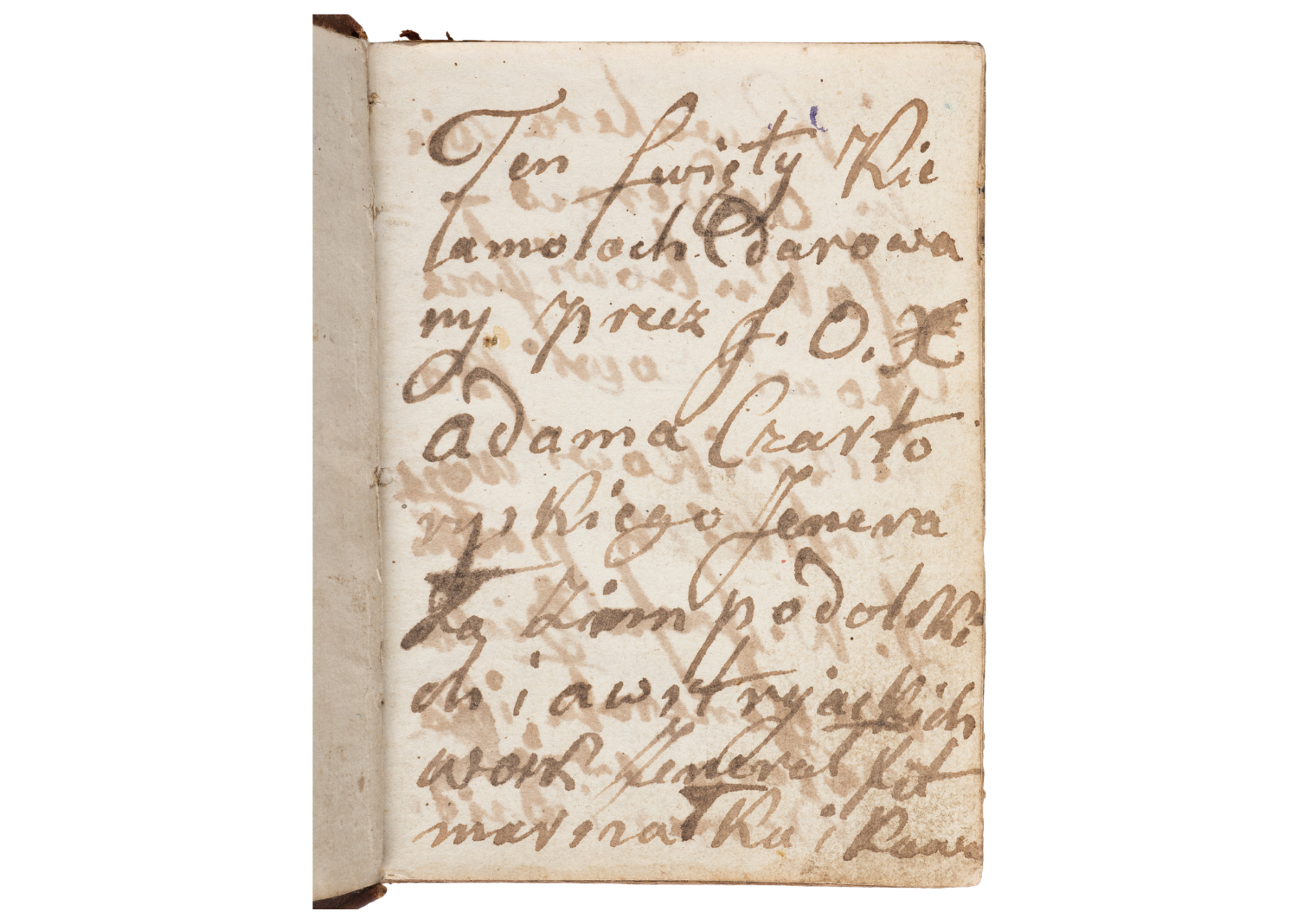
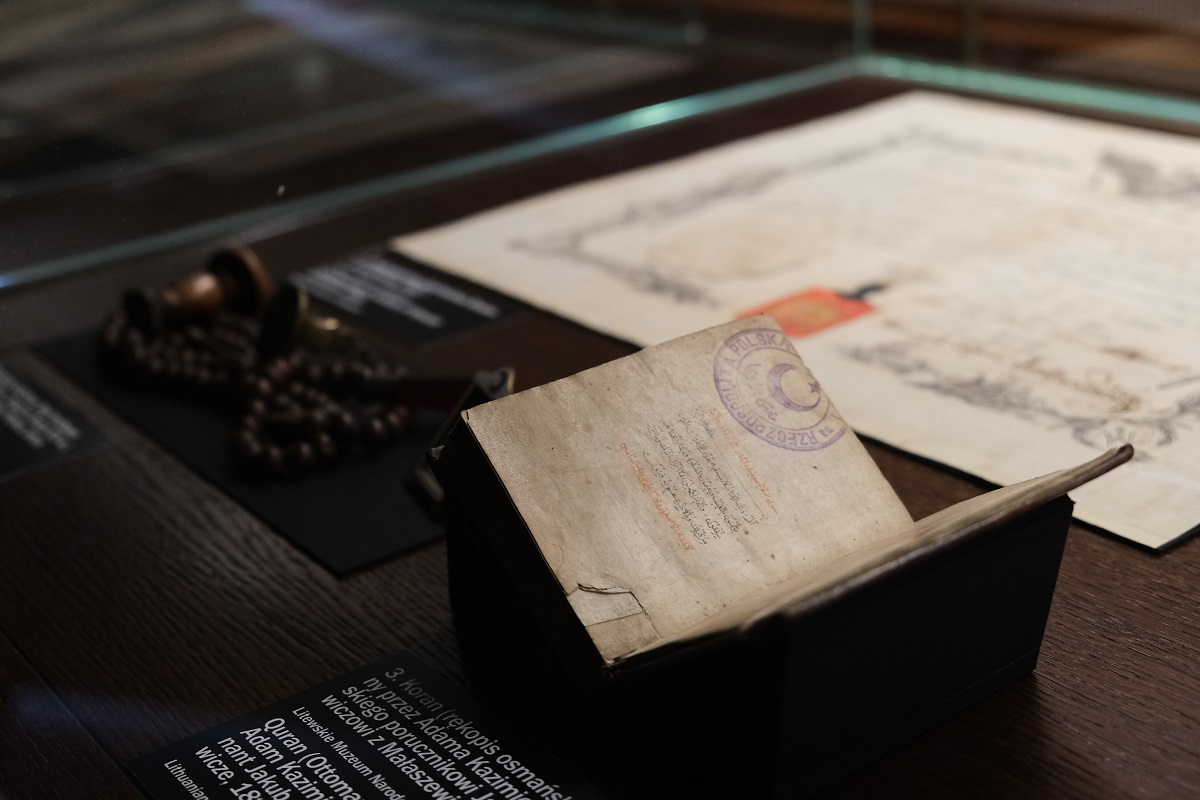
Quran
 (Ottoman manuscript) given by Adam Kazimierz Czartoryski to lieutenant Jakub Józefowicz from Małaszewicze, 18th century
Lithuanian National Museum
FOR THE GRATITUDE OF GOD AND FOR ALL THE PATERNAL FOLK
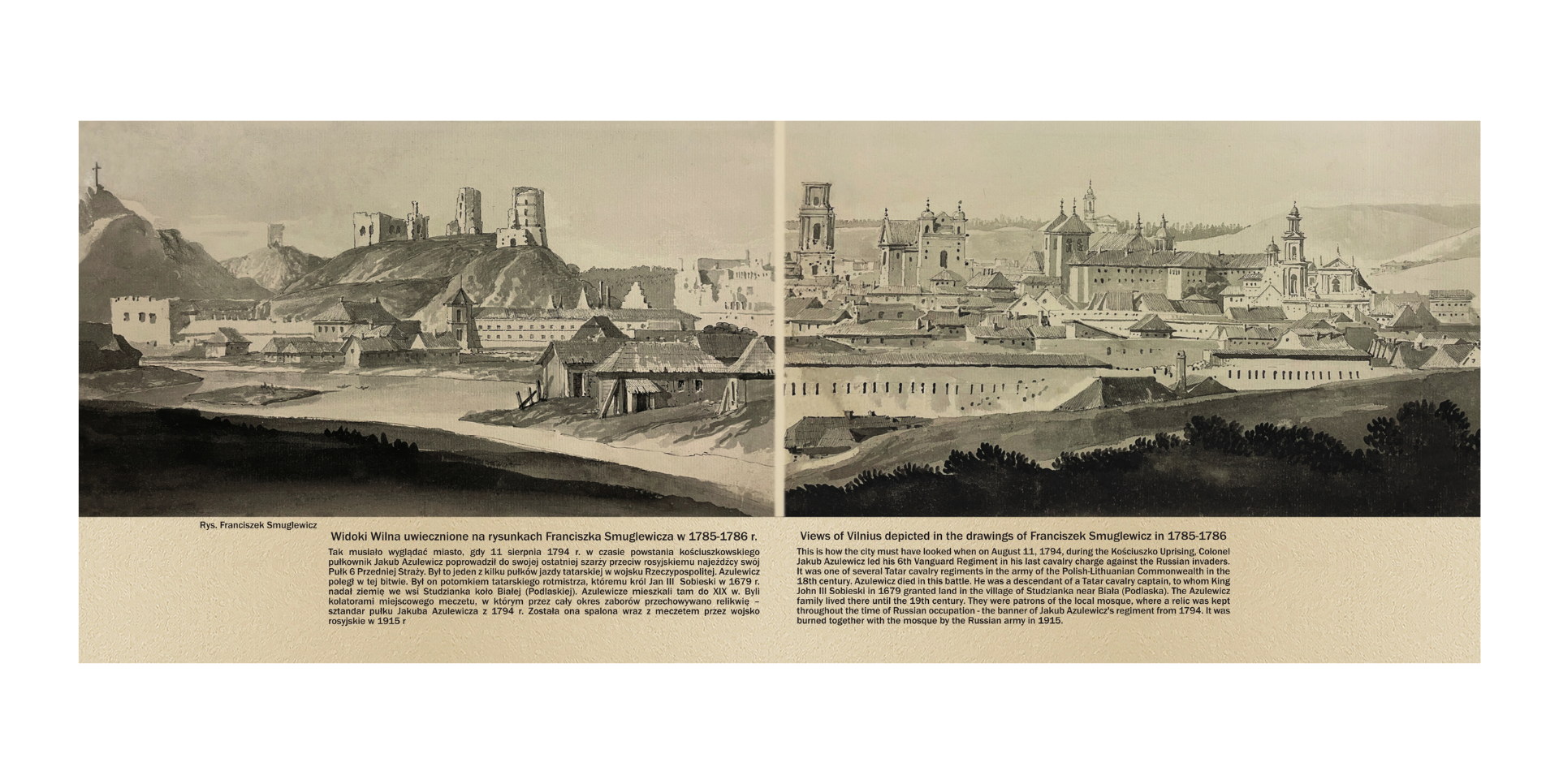
Objects
-
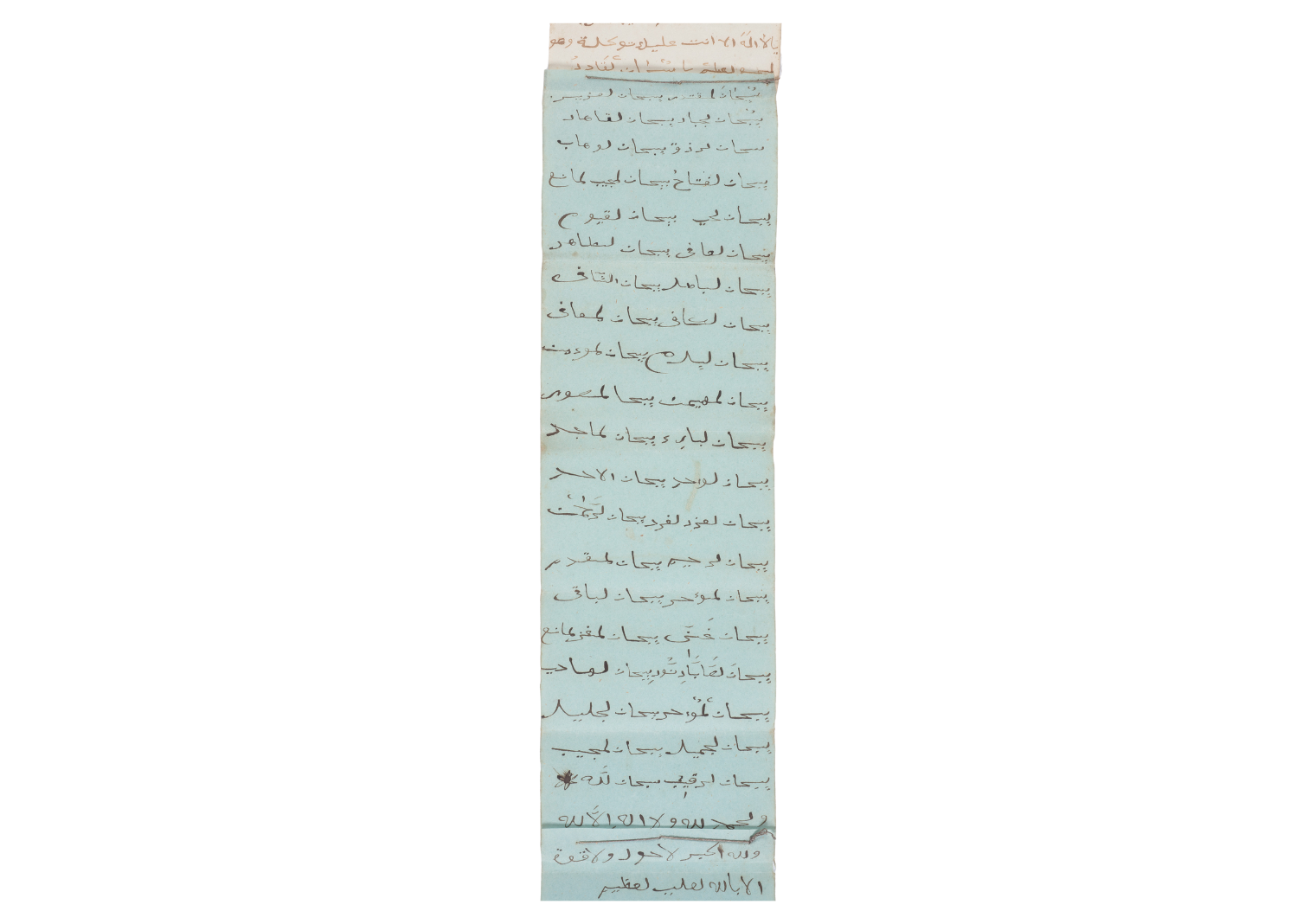
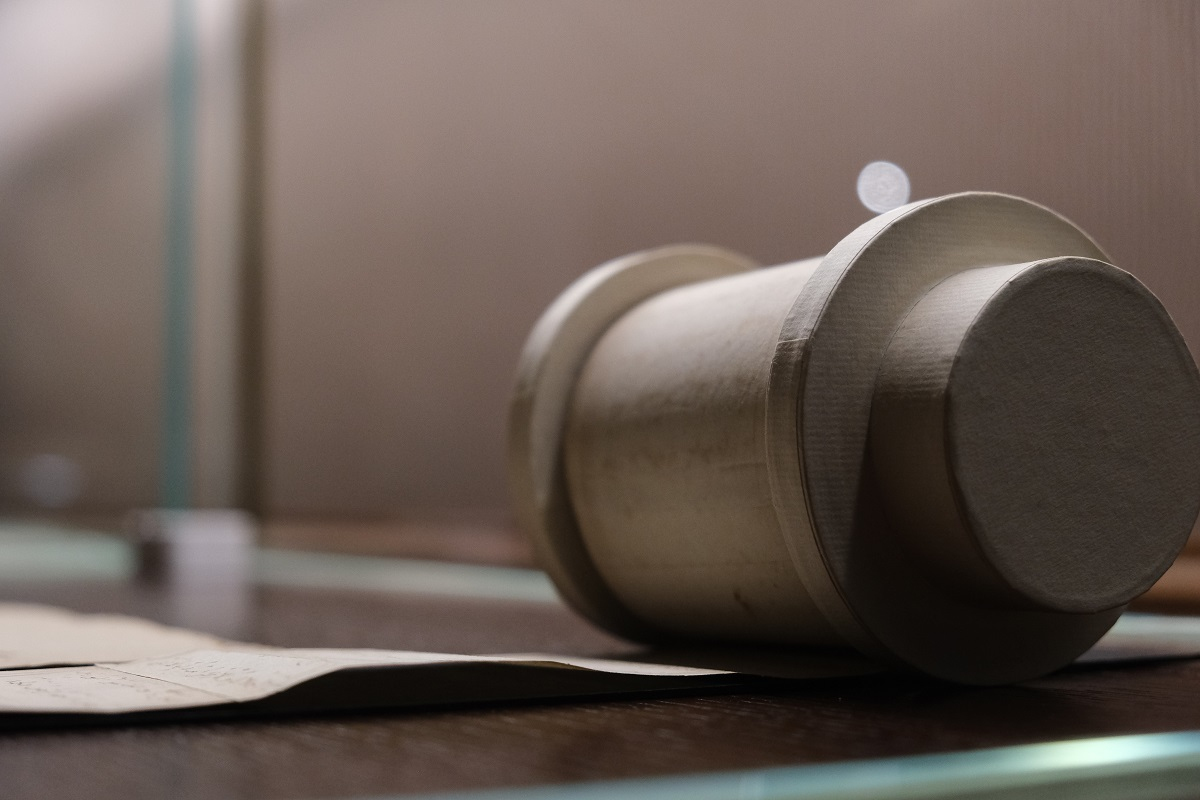
Daławar
 (prayer scroll) of Józefowicz family from Małaszewicze, 1858
Lithuanian National Museum -
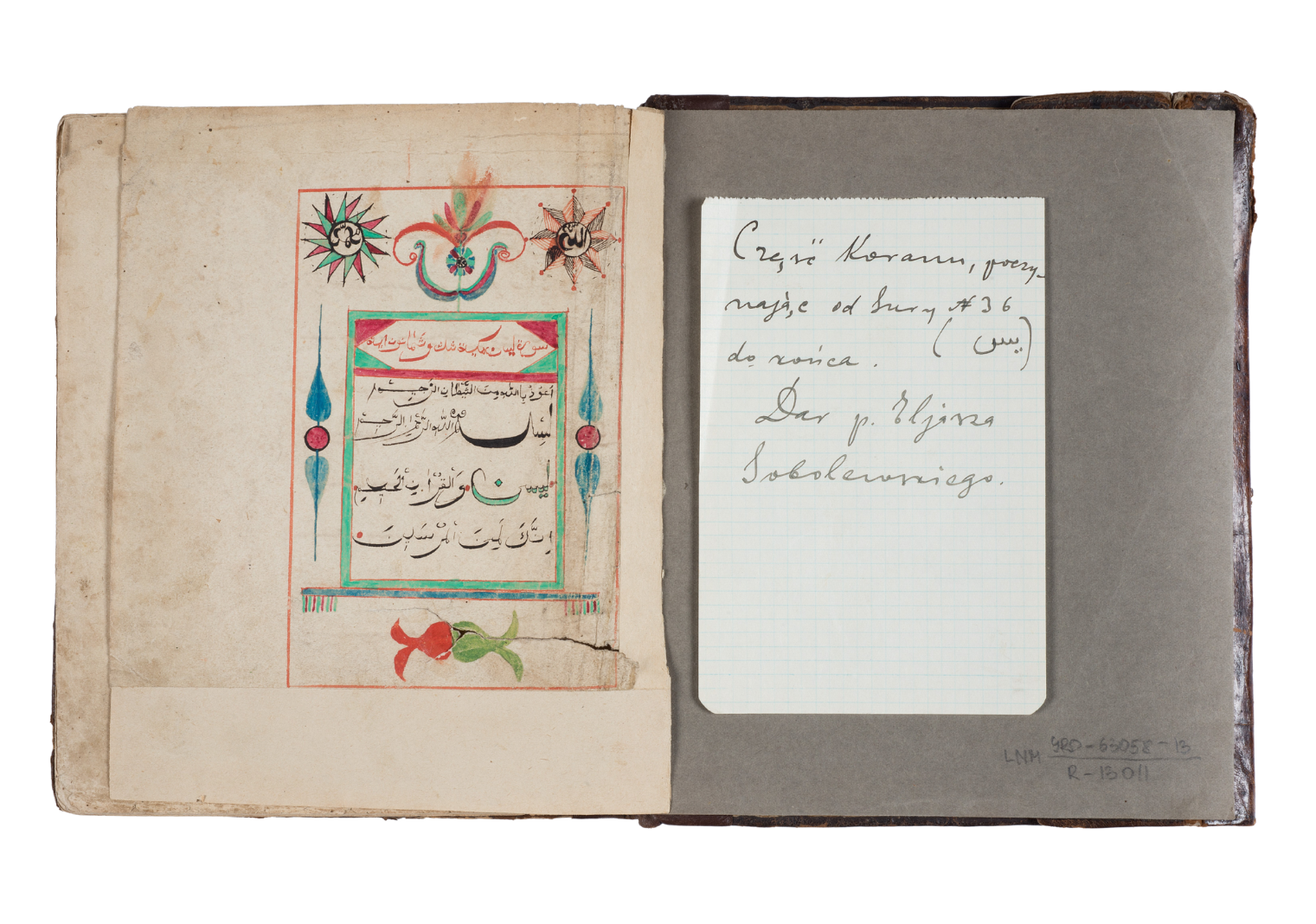
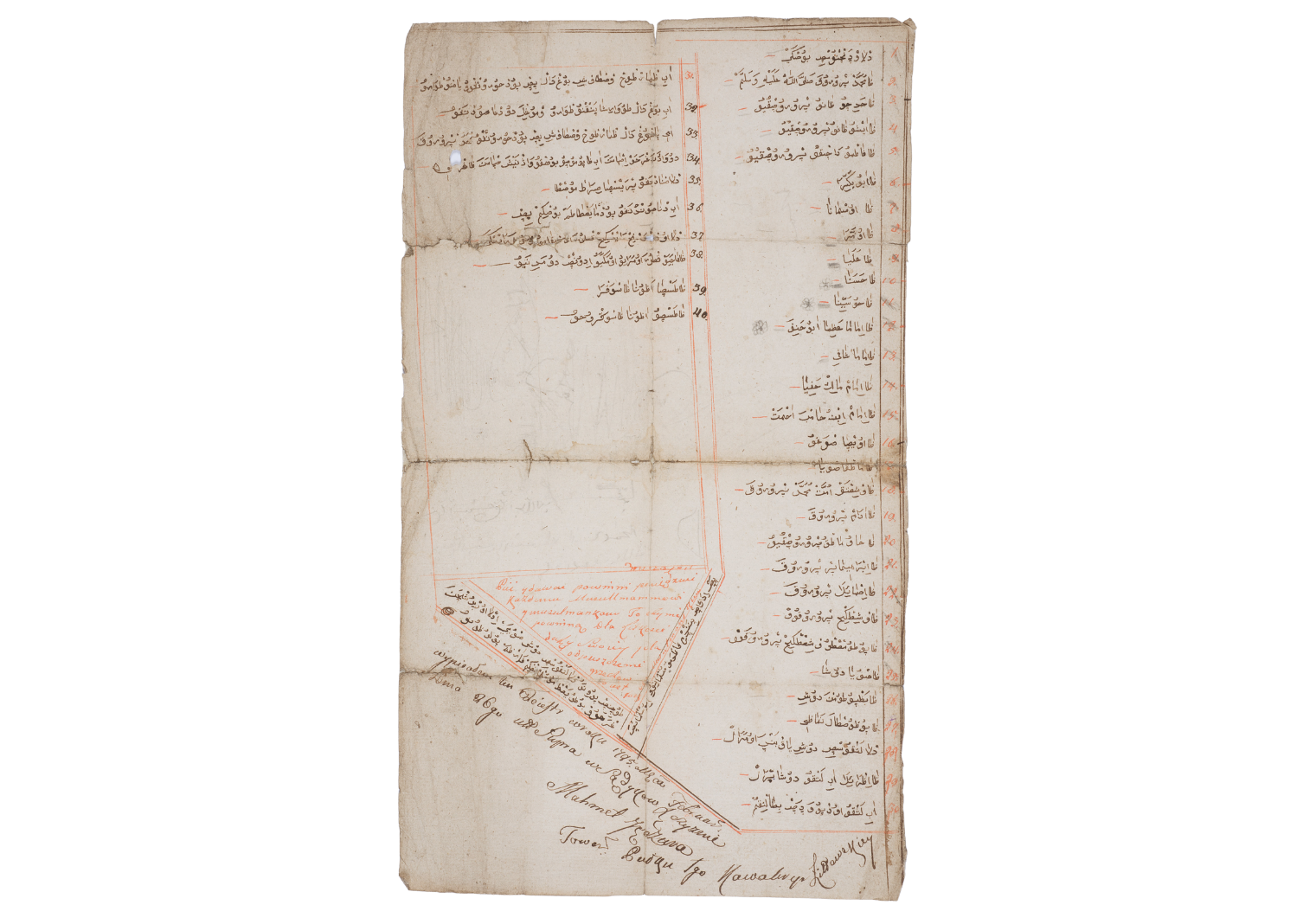
Register of the Fourty Jasins
 (list of intentions for recitation of the 36th sura of the Koran Ya. Sin.), copyist Mahmet Jęczura, 1795
Lithuanian National Museum
VERBAL DEPICTING OF HOLINESS
Objects
-
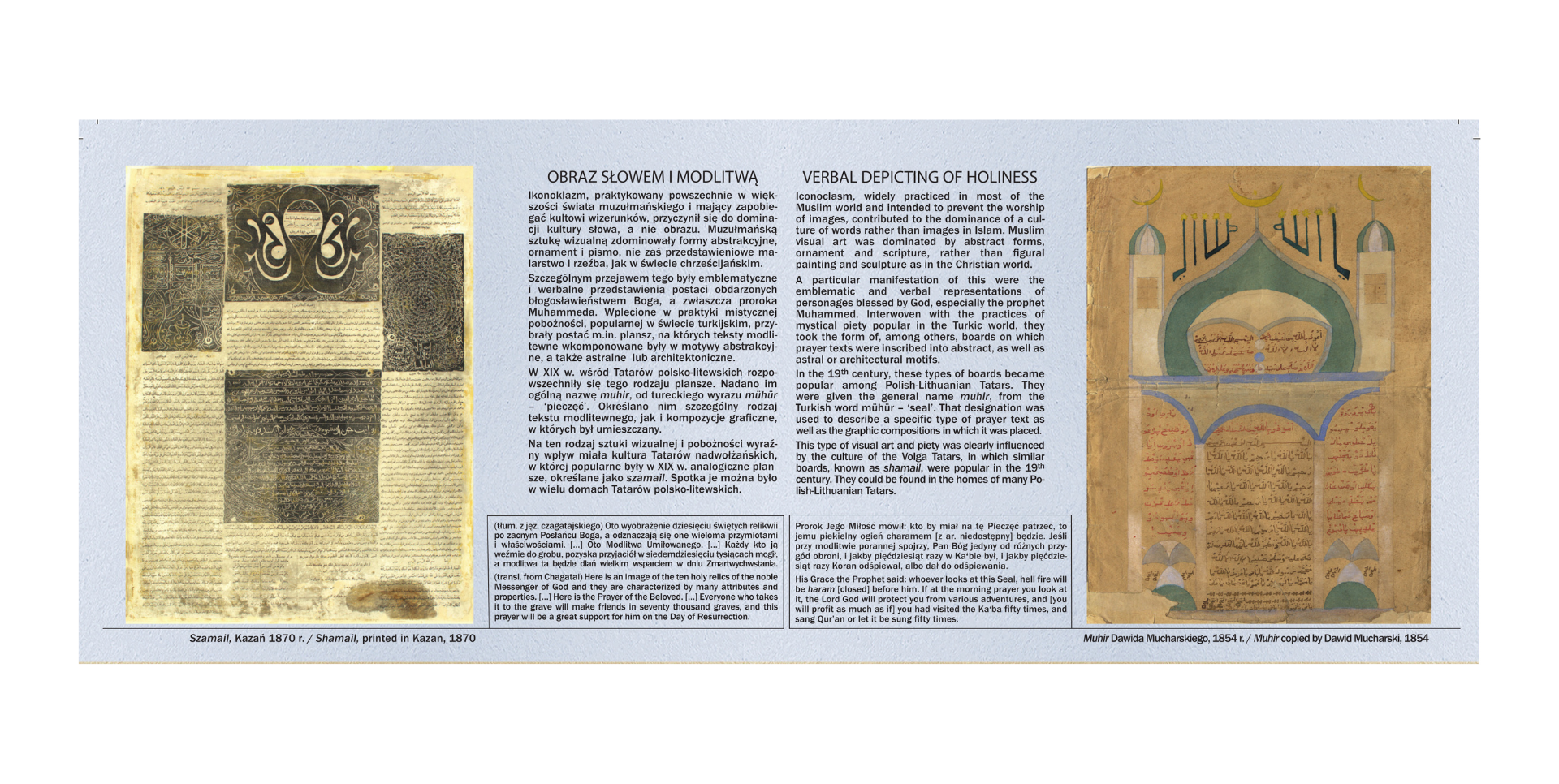
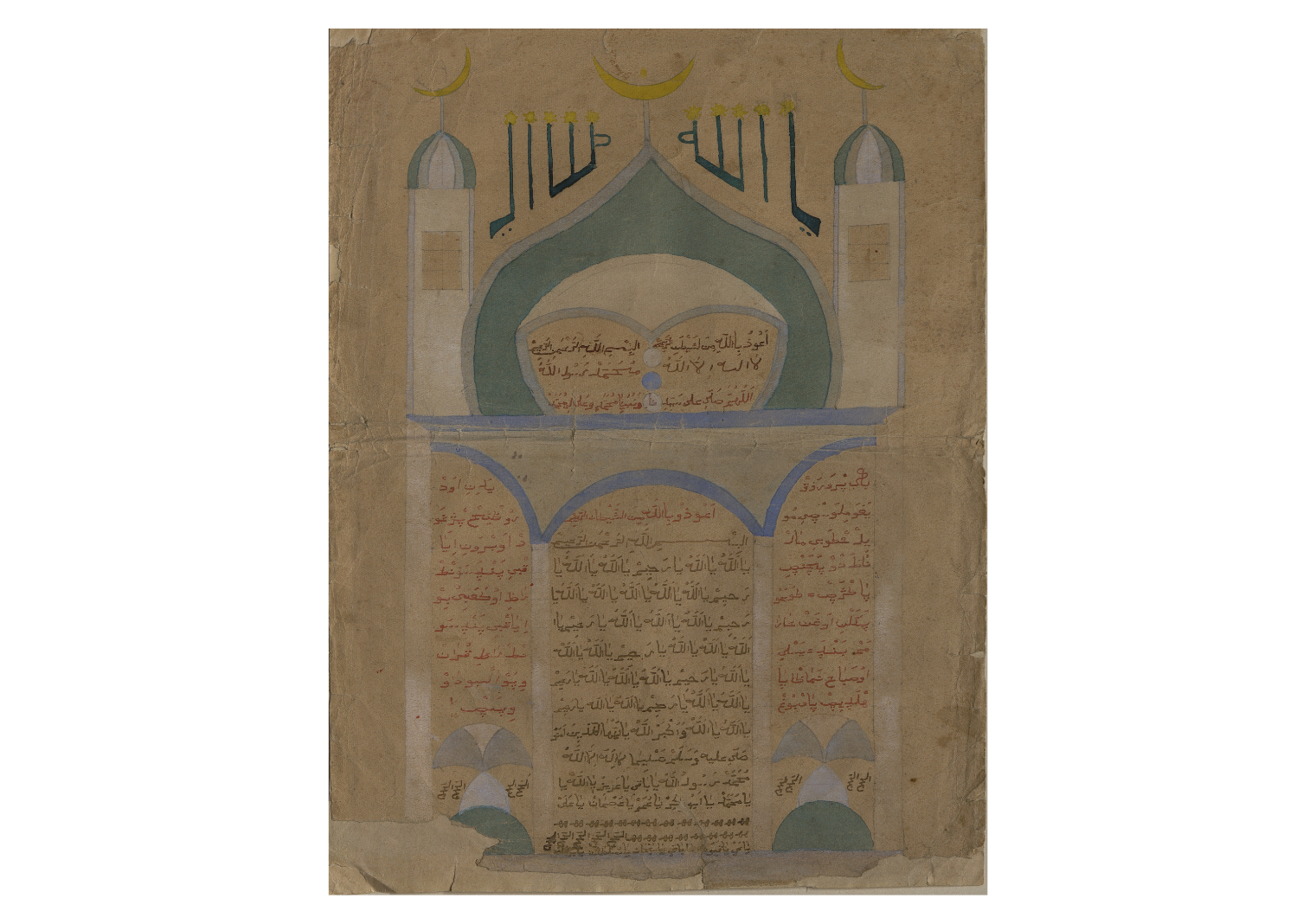
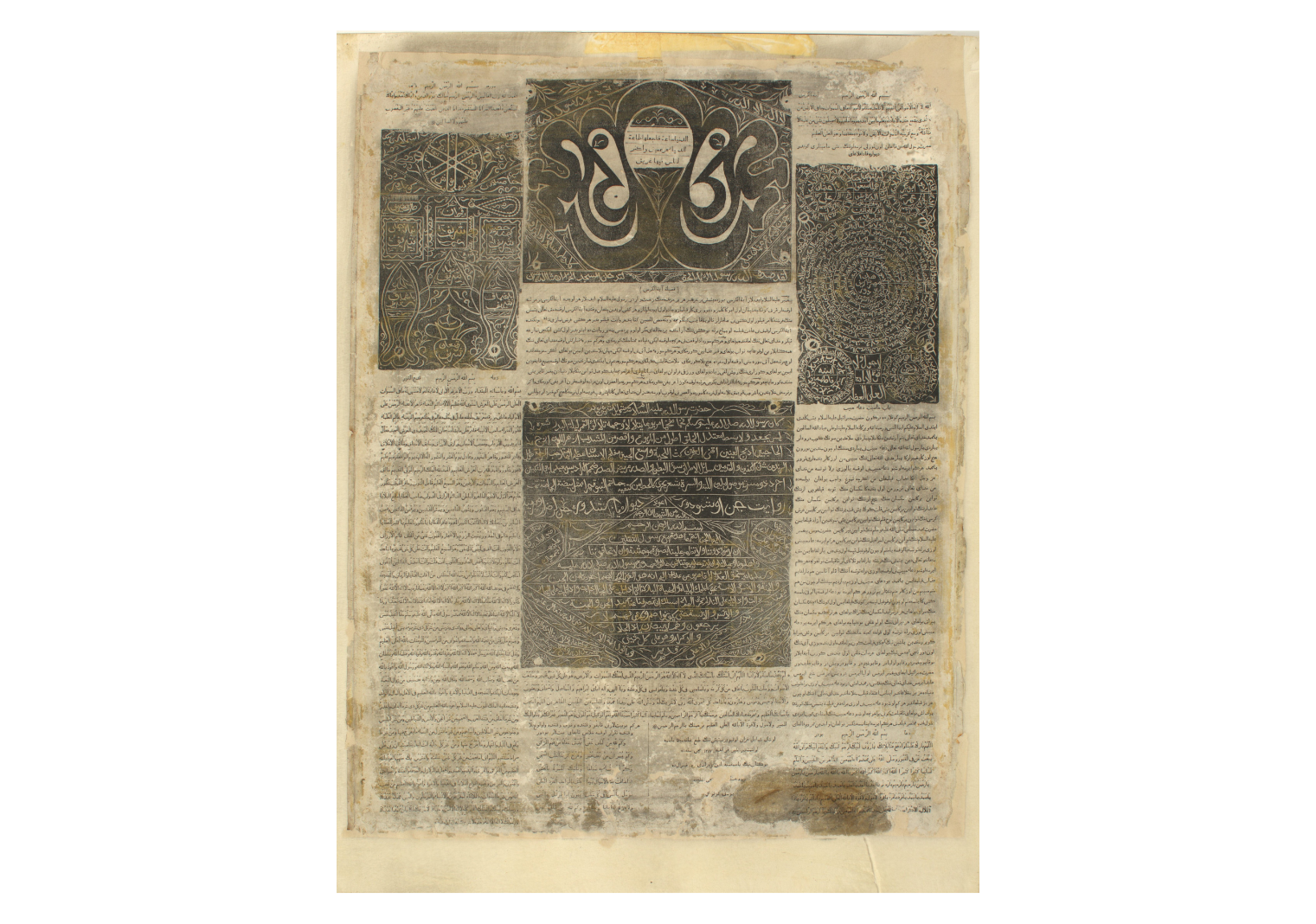
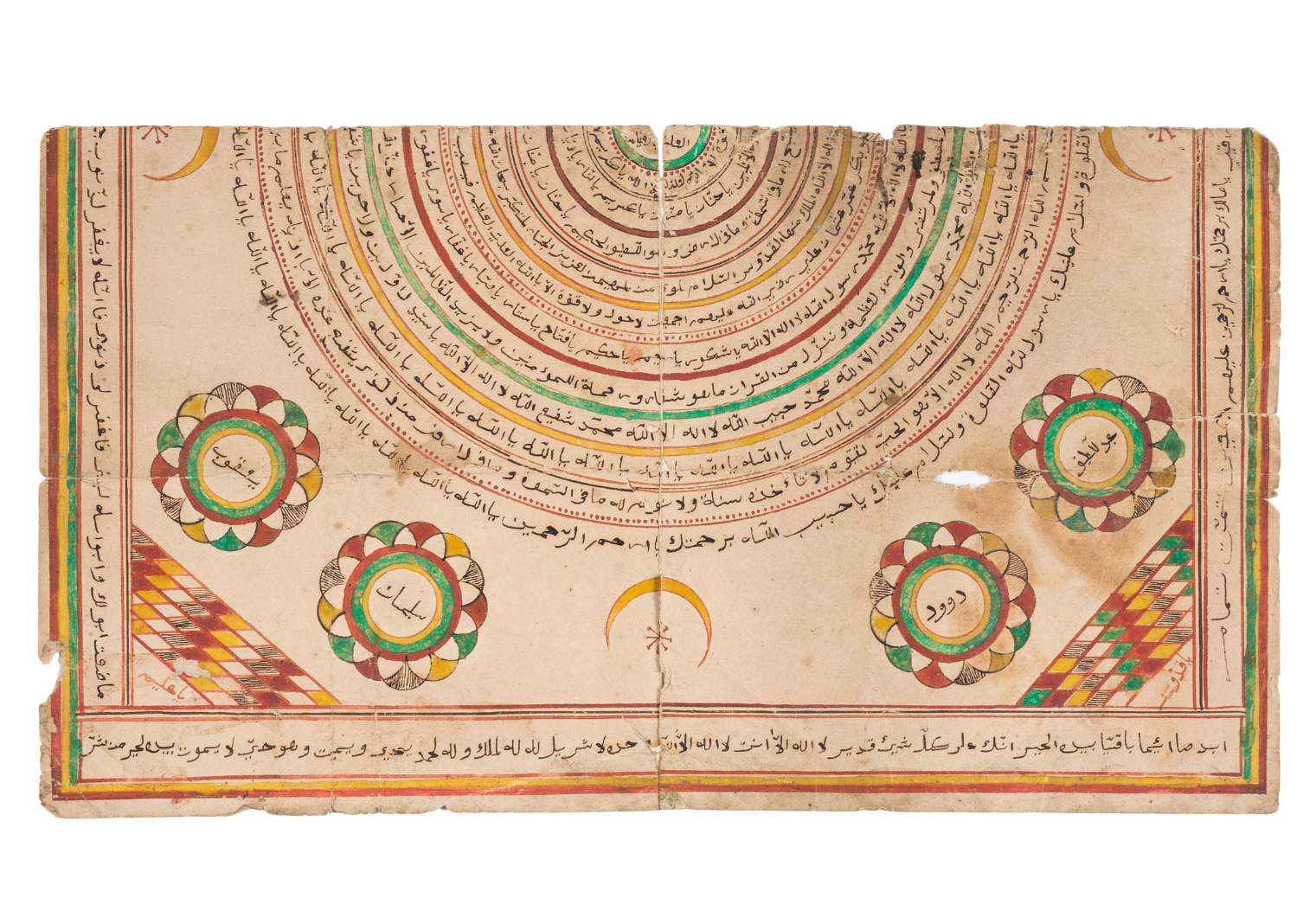
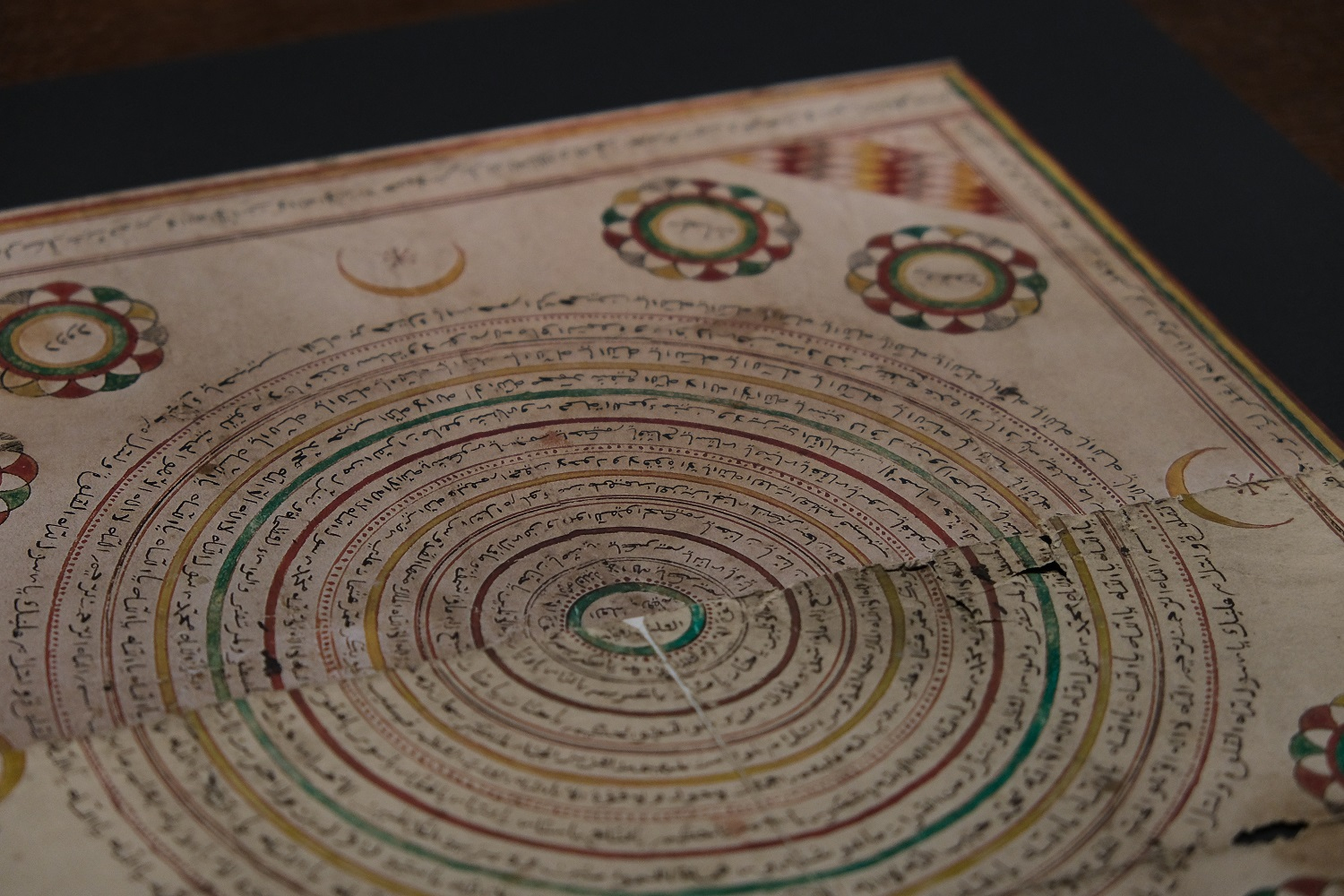
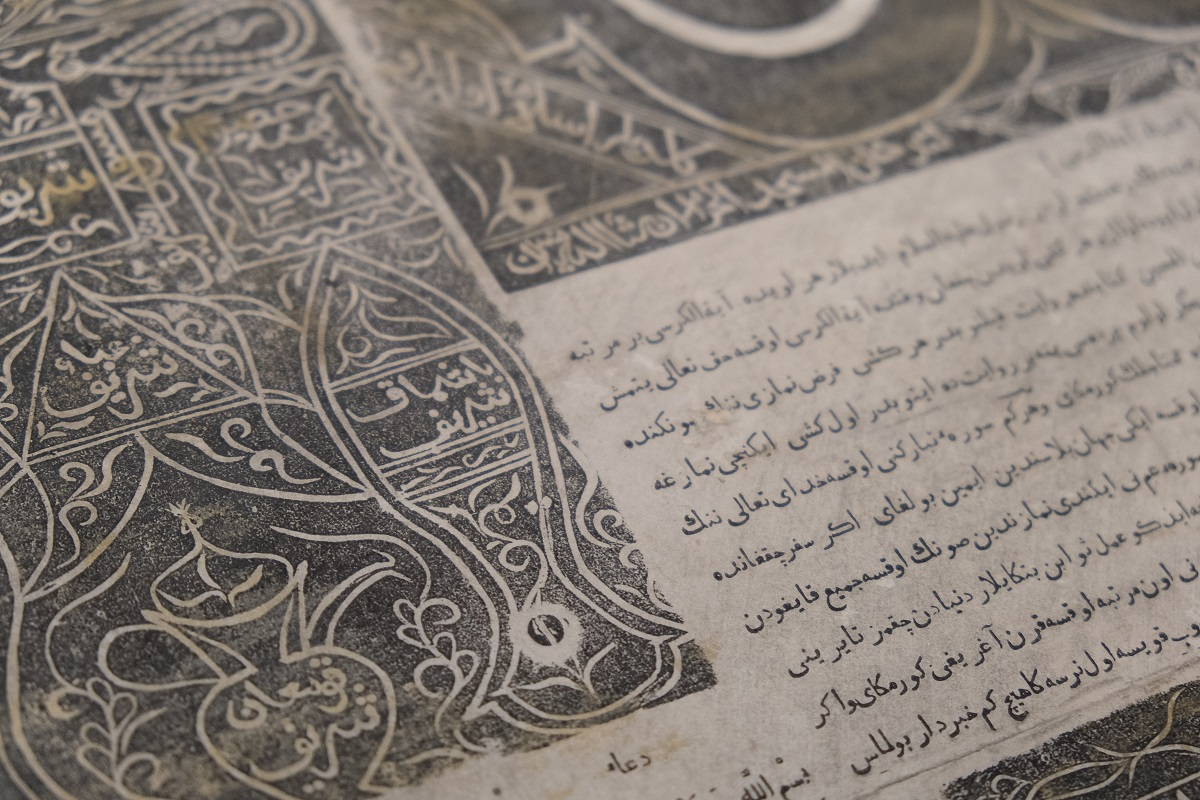
Muhir
 (talismanic paper board of the Polish-Lithuanian Tatars) with prayer ‘Seal of the Prophet’, copyist Dawid Mucharski, Kazan 1854
Podlaskie Museum in Białystok -
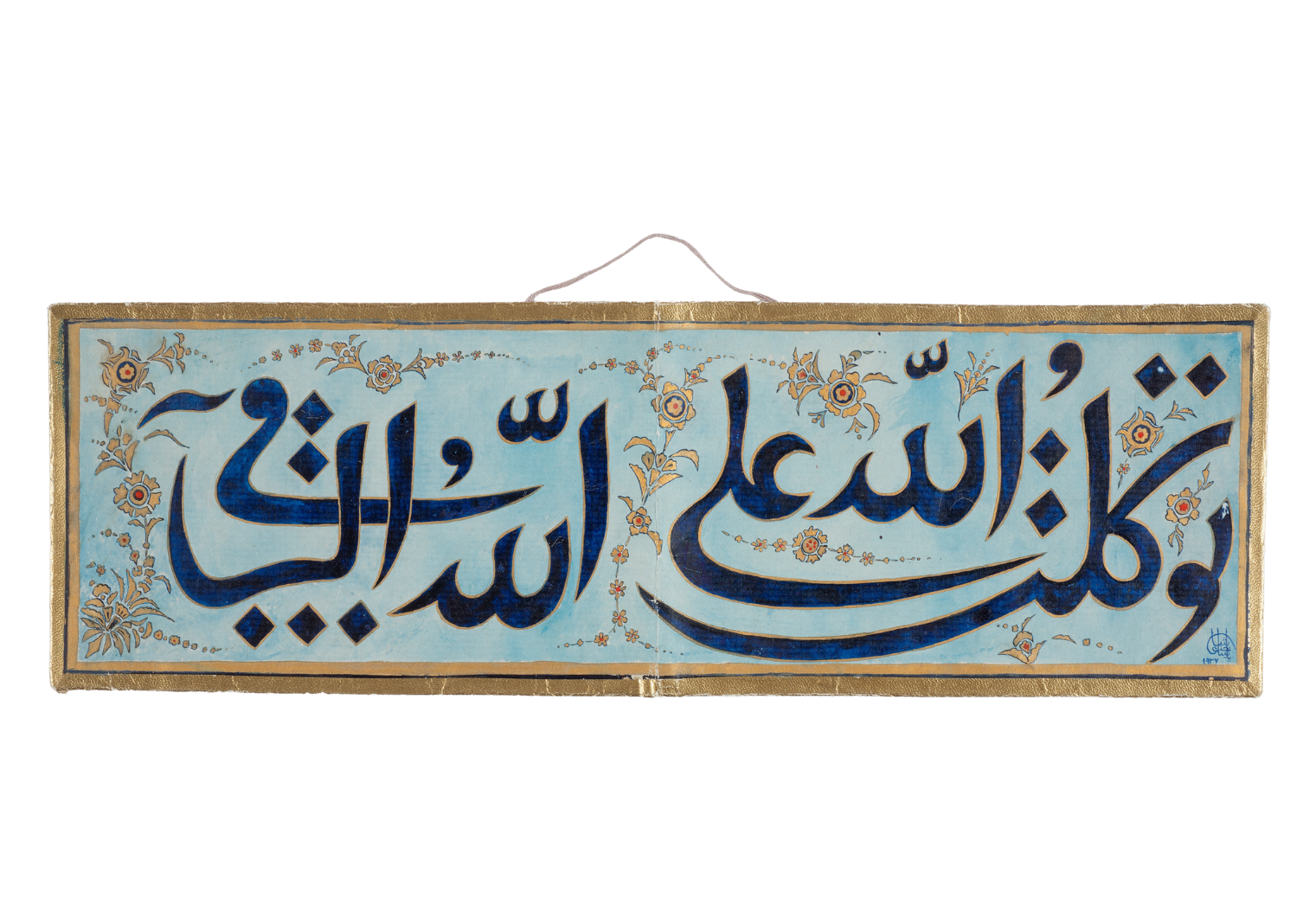
Muhir
 (calligraphic composition made by the Polish-Lithuanian Tatars), 1928
Lithuanian National Museum -
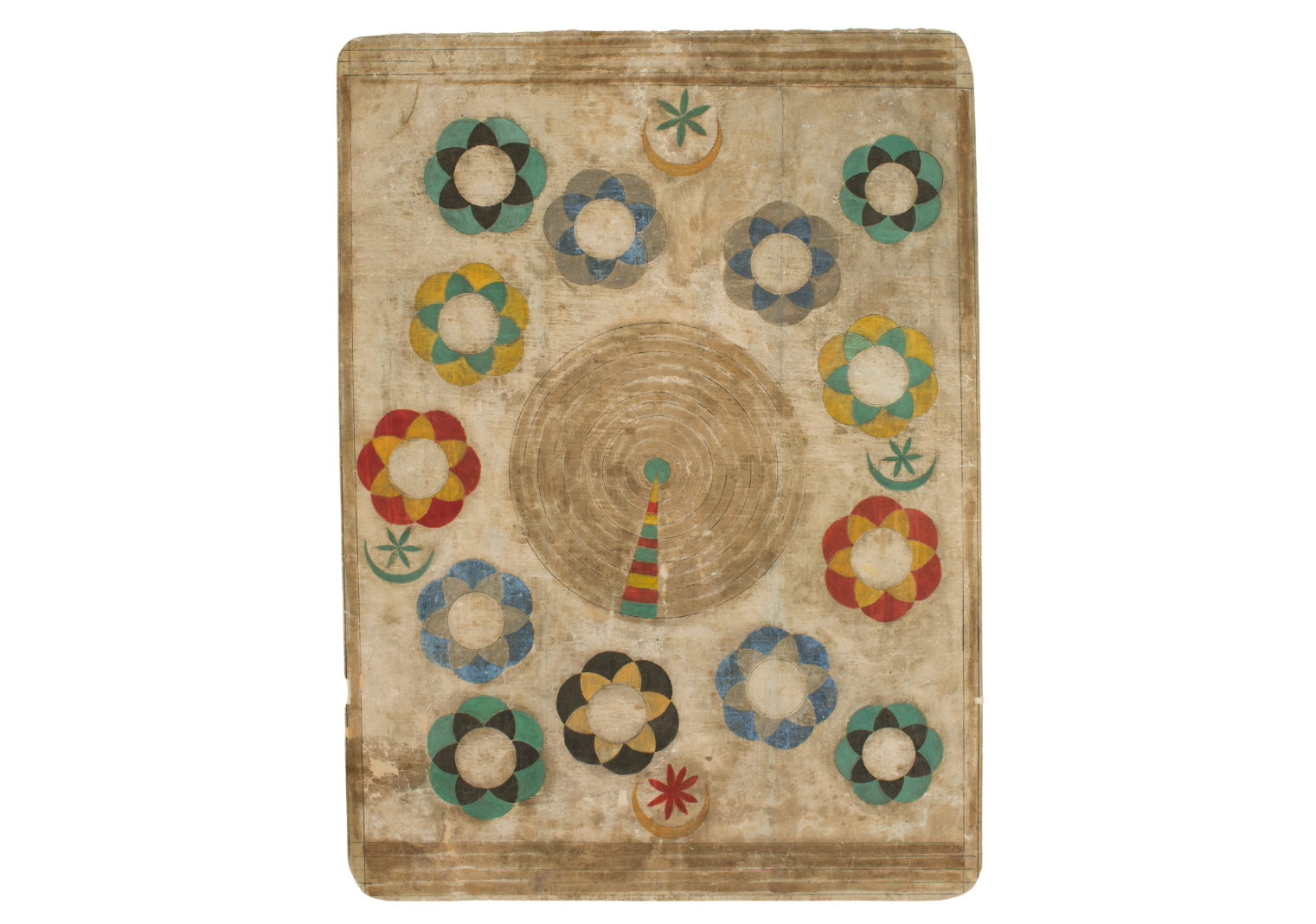
Muhir
 (talismanic paper board of the Polish-Lithuanian Tatars) from the mosque in Bohoniki, 19th cent.
Podlaskie Museum in Białystok -
Shamail
 (talismanic paper board of the Volga Tatars used by the Polish-Lithuanian Tatars), Kazan 1870
Podlaskie Museum in Białystok -
Muhir
 (talismanic paper board of the Polish-Lithuanian Tatars), 19th century
Lithuanian National Museum
EMBLEM OF PIETY
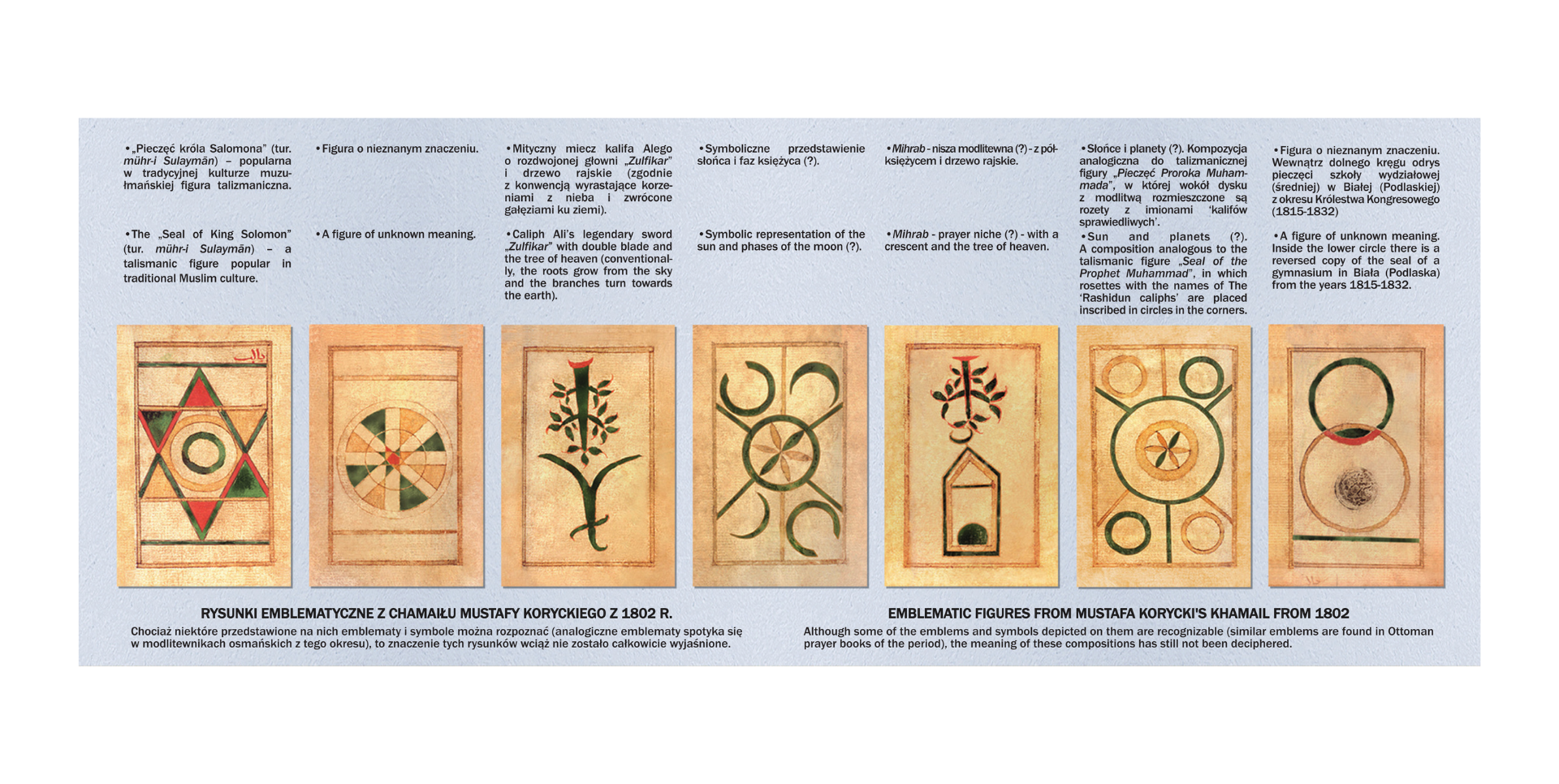
Objects
-
Khamail (prayer book) with emblematic figures
 copyist Mustafa Korycki, 1802
Polish Academy of Sciences, Gdansk Library
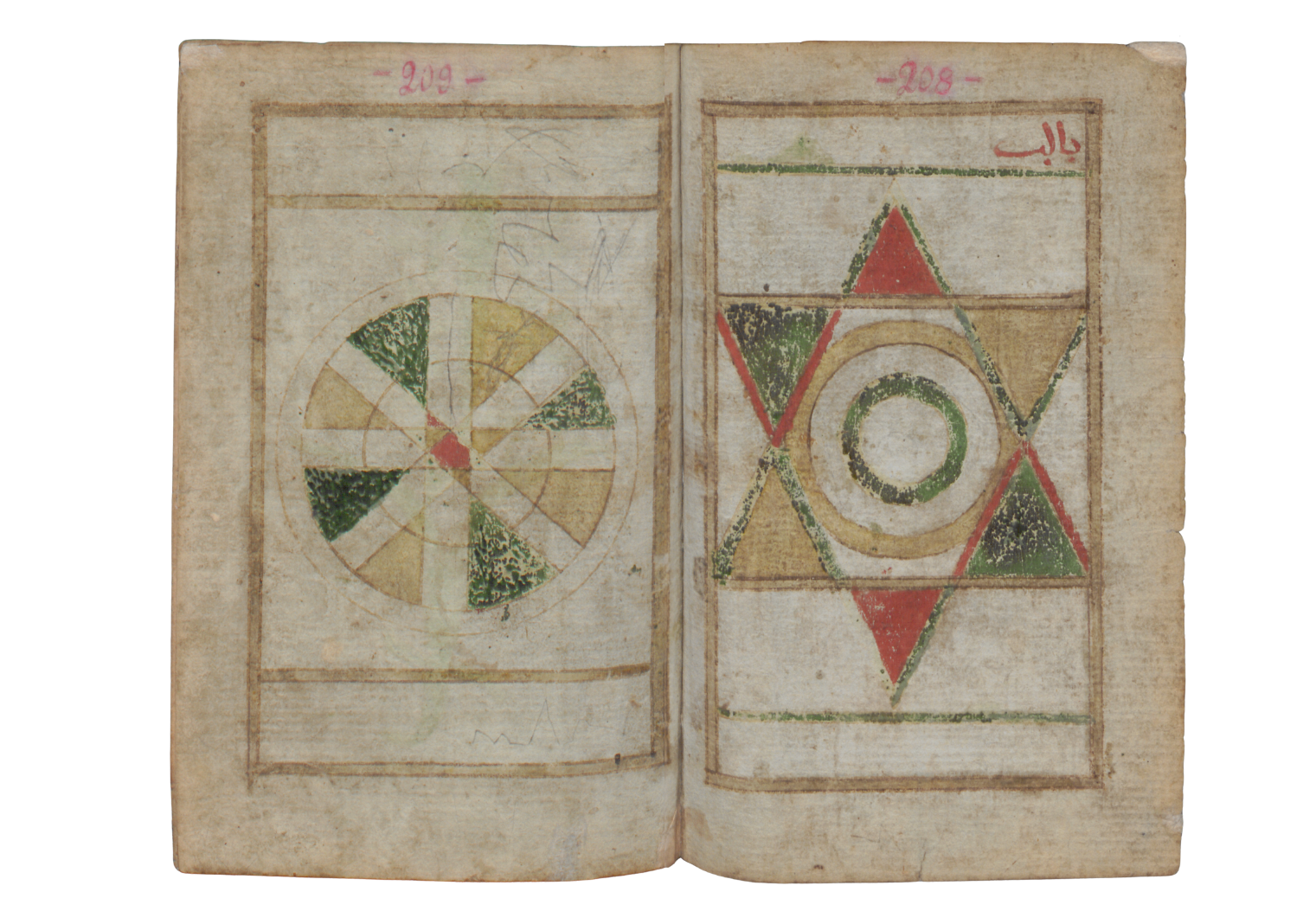
TATAR WRITER'S WORKSHOP
-
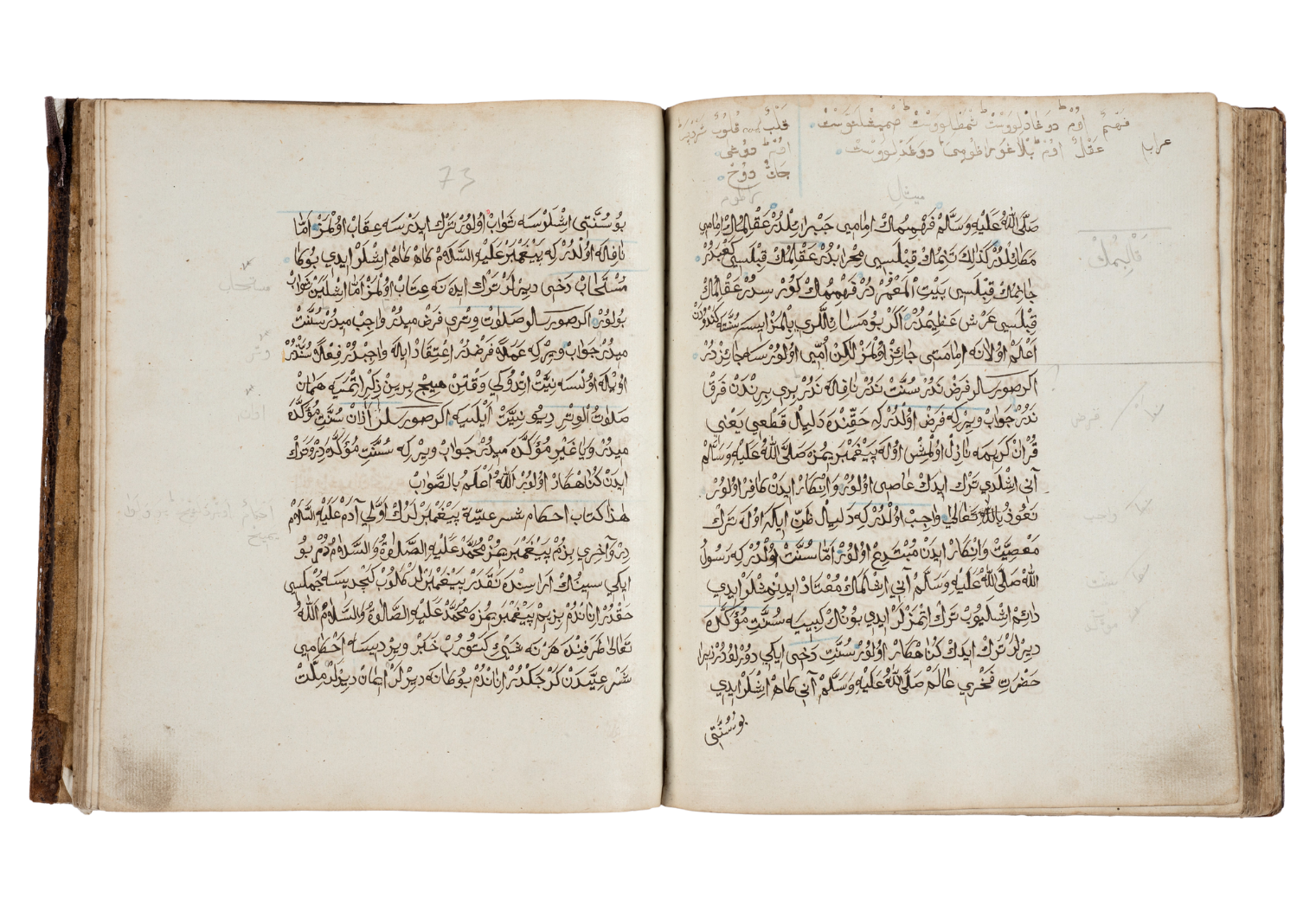
Turkish manuscript
 with a description of the principles of the Muslim worship (ʻIlm-ü ḥāl), 1784 - used by the Polish-Lithuanian Tatars
Lithuanian National Museum -
Manuscript
 with religious texts in Turkish, copied by a renowned copyist and imam Mustafa Shahidewicz from Słonim, first half of the 19th century (there are copyist’s notes in the margins with explanations of Turkish and Arabic words)
Lithuanian National Museum -
Turkish manuscript
 with religious texts, 17th-18th centuries – belonged to the imam of the Tatar parish in Studzianka village, Eliasz Olejkiewicz (d. 1810), and his son Mustafa Olejkiewicz (d. 1823), lieutenant of the 3rd Uhlan Regiment of the Polish Army
Lithuanian National Museum -
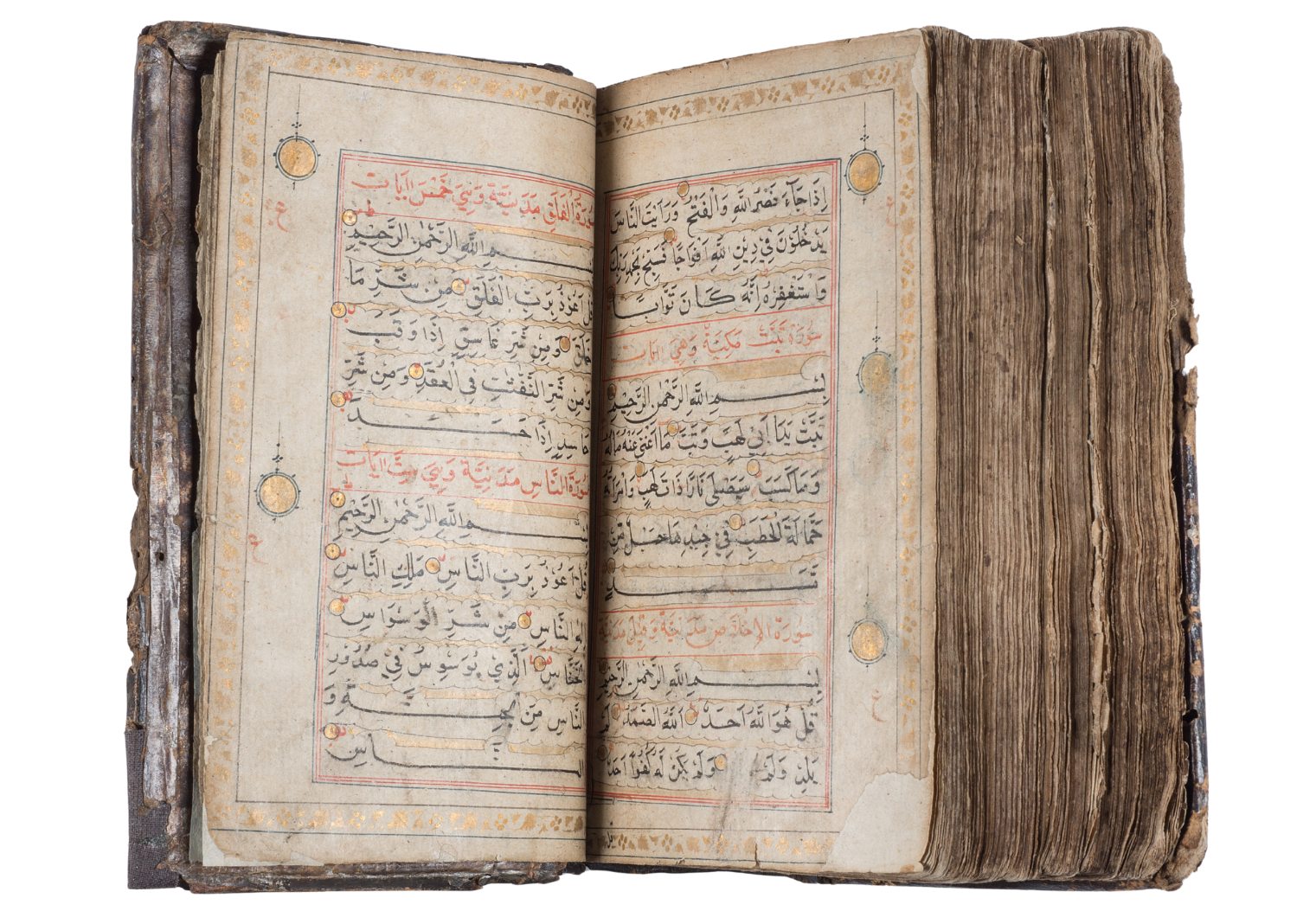
Qur’an
 Central Asia, 18th century - used by the Polish-Lithuanian Tatars
Lithuanian National Museum -
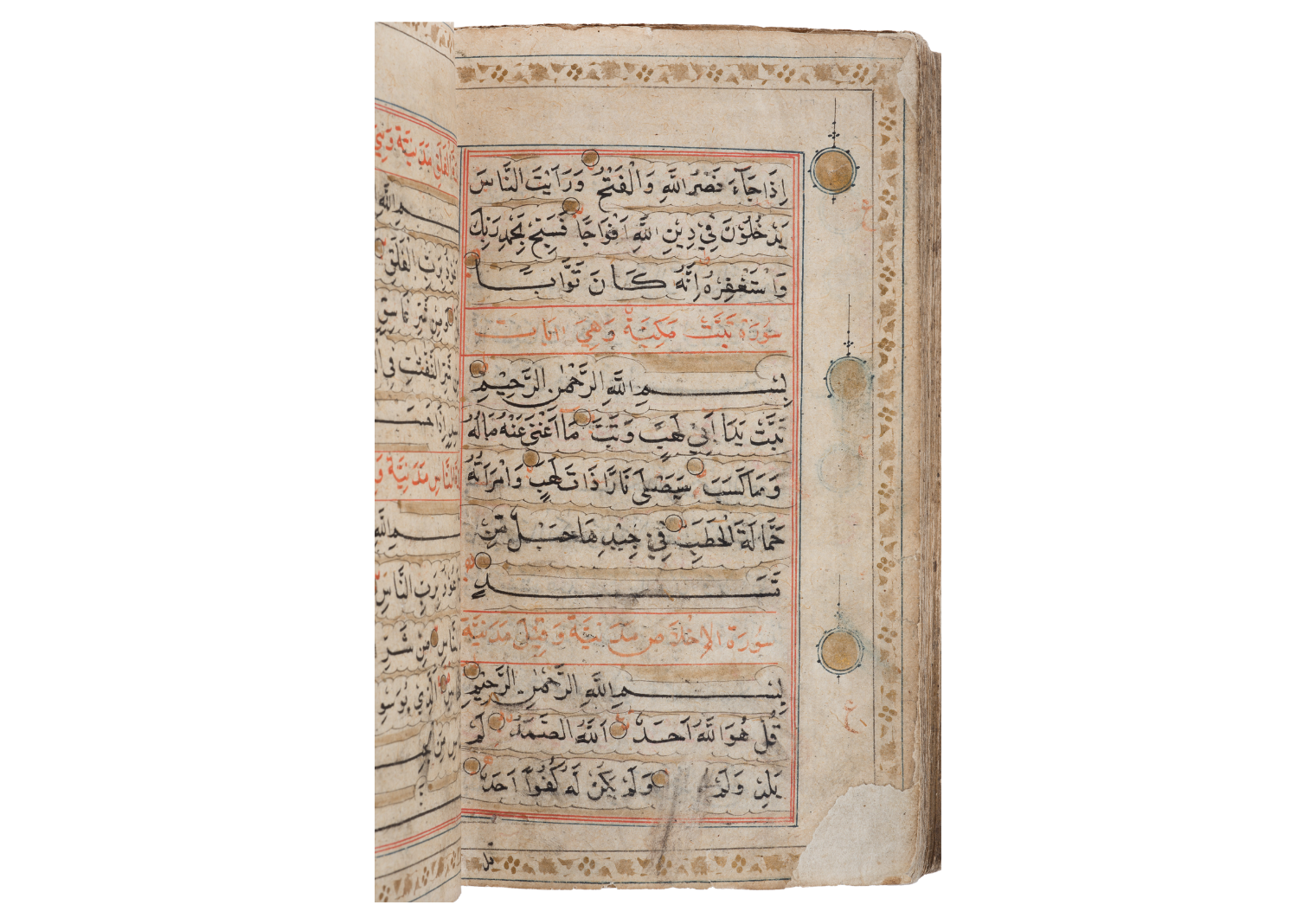
Qur’an
 Central Asia, 18th century - used by the Polish-Lithuanian Tatars
Lithuanian National Museum -
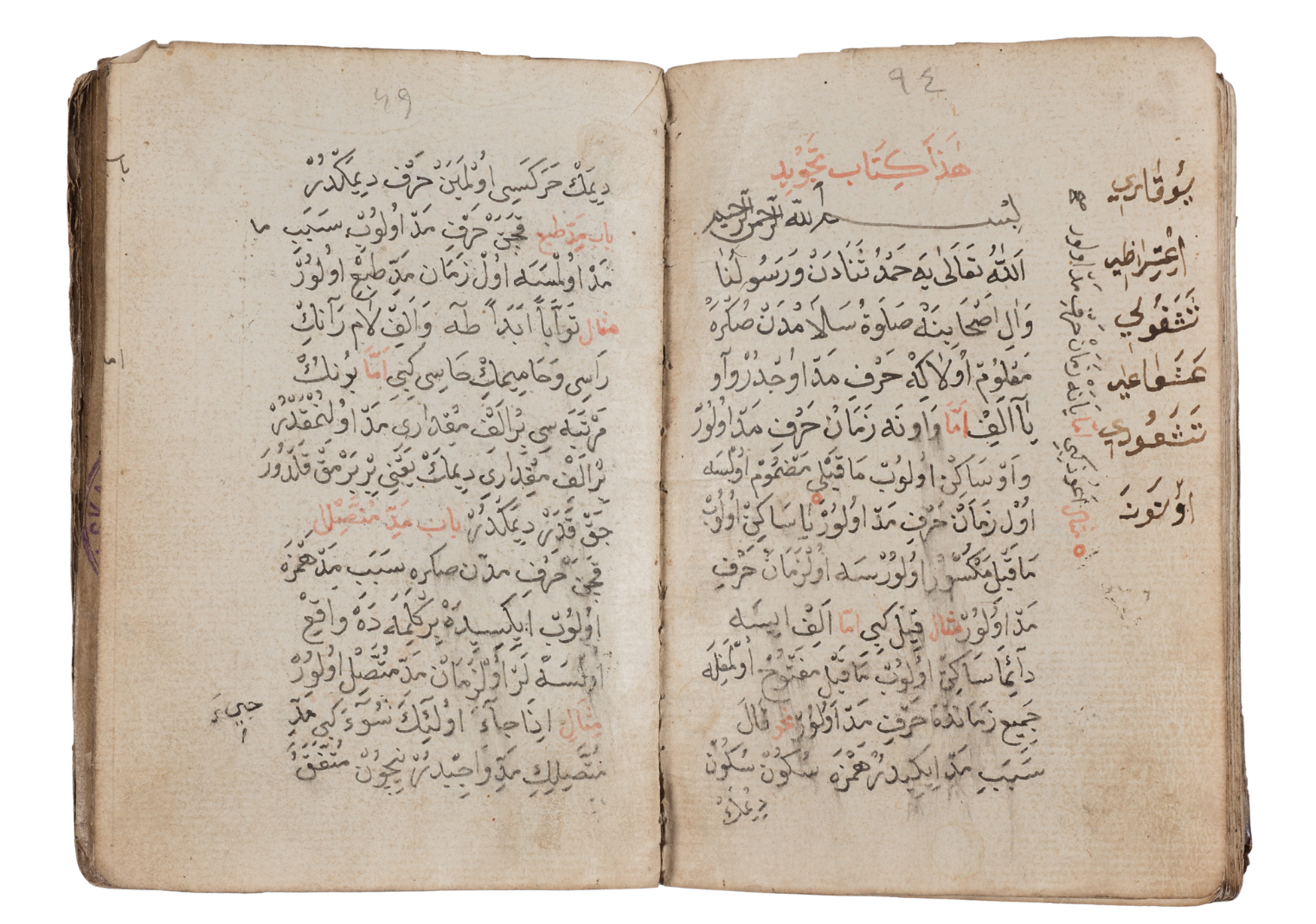
Turkish manuscript
 with tejwid (rules of recitation and articulation of the Qur’an) and other religious texts, second half of the 18th century - used by the Polish-Lithuanian Tatars
Lithuanian National Museum -
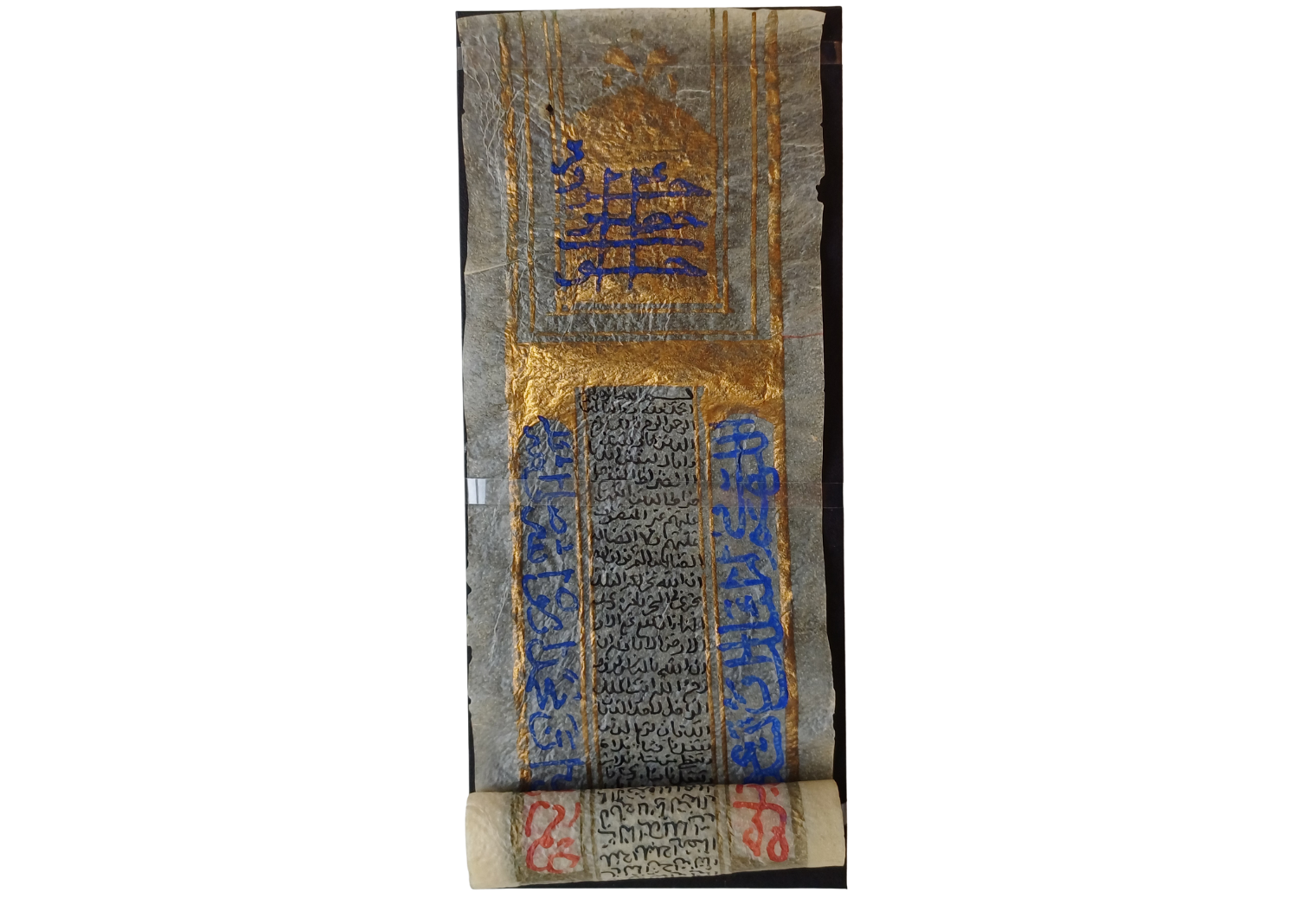
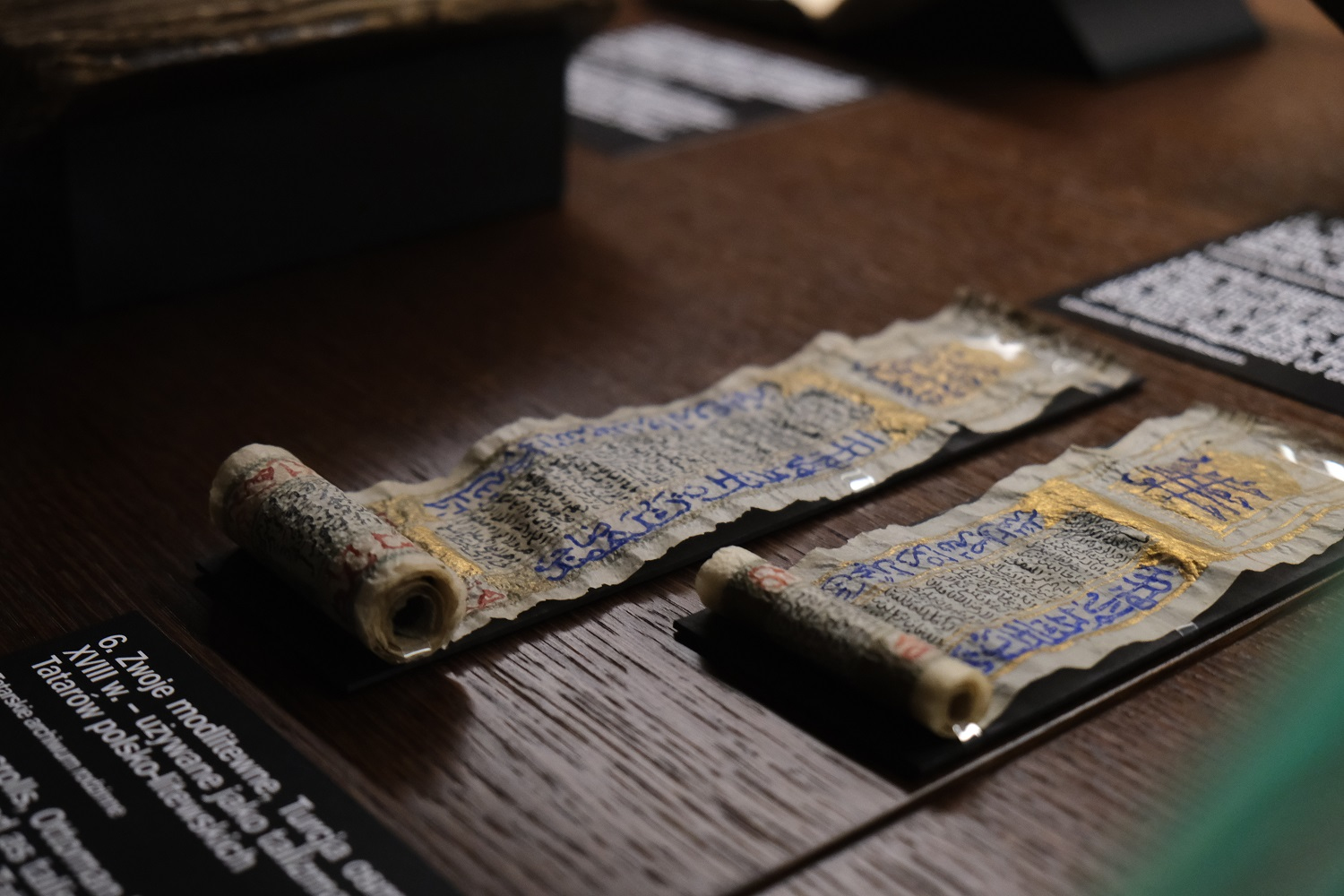
Prayer scrolls
 Ottoman Empire, 18th century – used as talismans by the Polish-Lithuanian Tatars
Tatar family archive
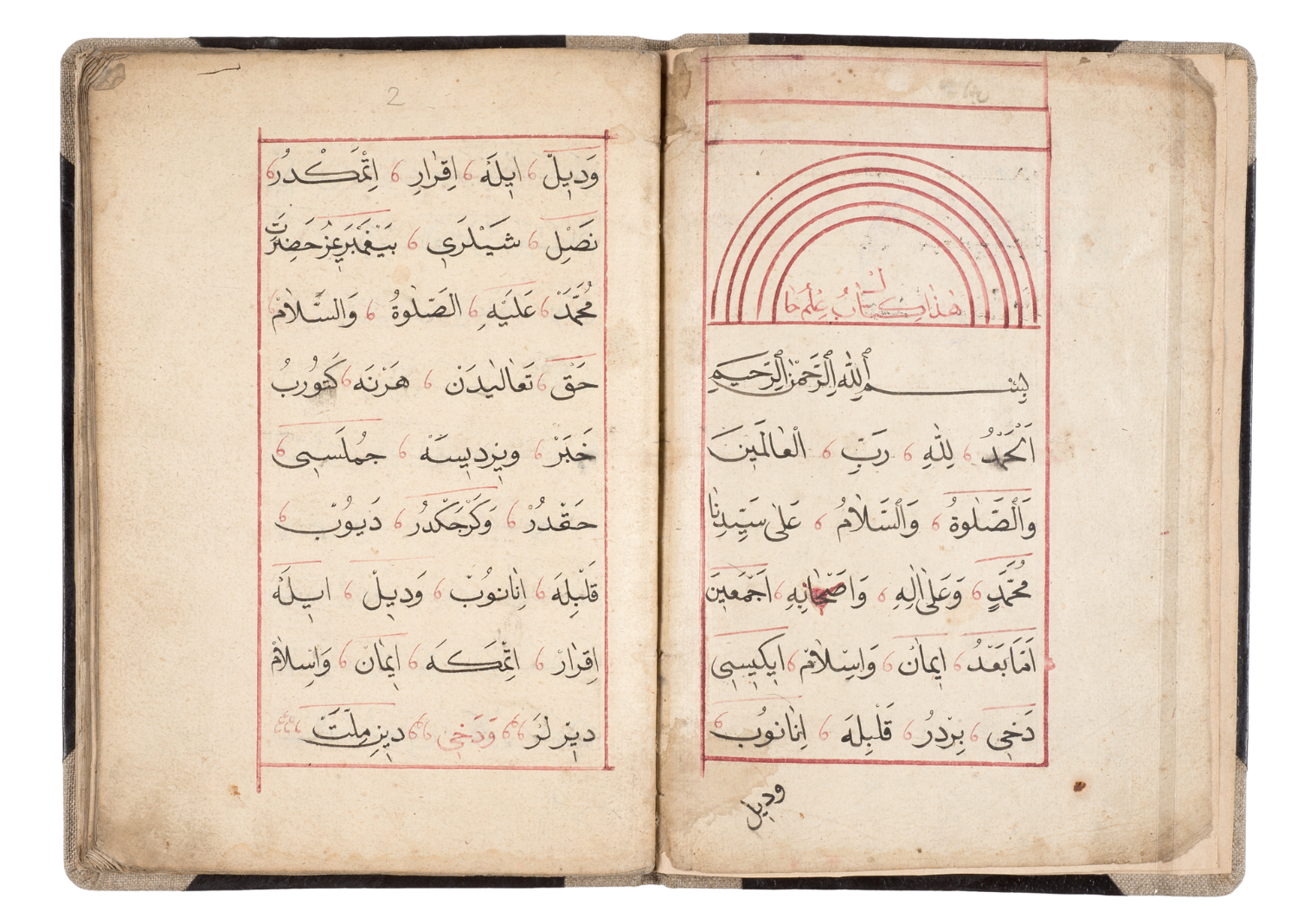
NEW BOOKS FROM THE VOLGA
-
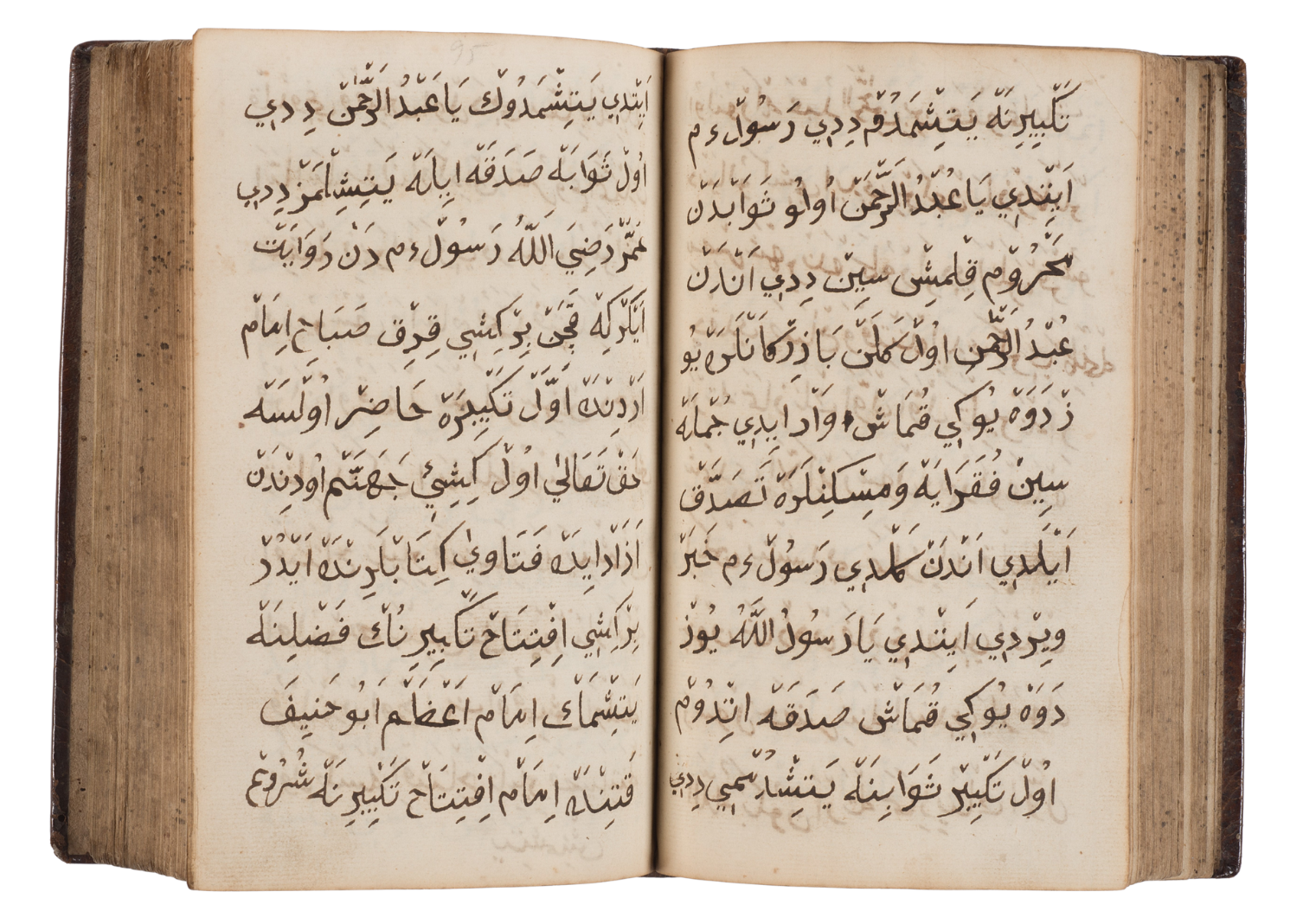
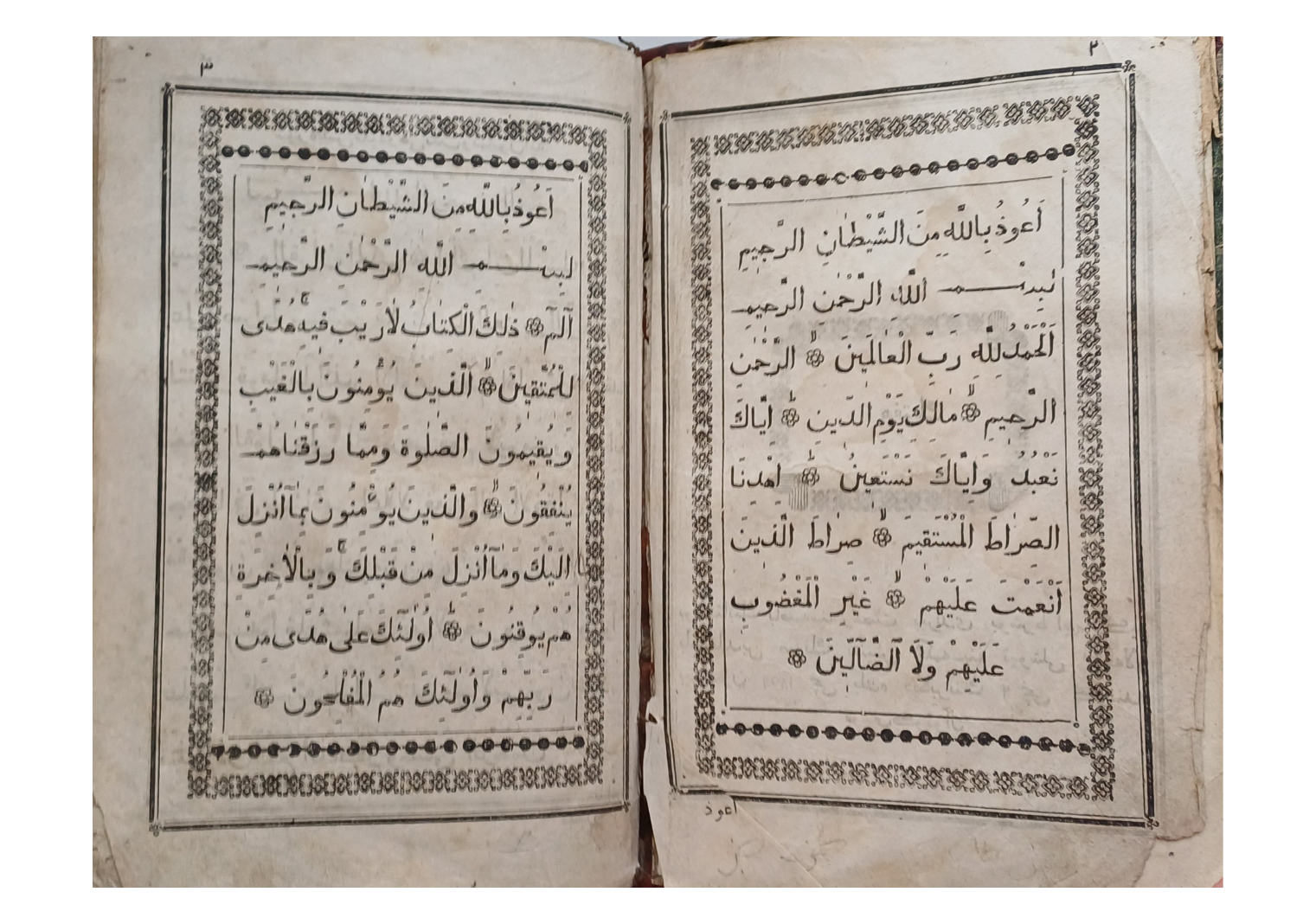
Heftiyek-i Sherīf
 Kazan, 19th century - prayer book (selected suras of the Qur’an) printed in Kazan and used by Polish-Lithuanian Tatars
Tatar family archive
TRANSGRESSIONS OF WRITING
-
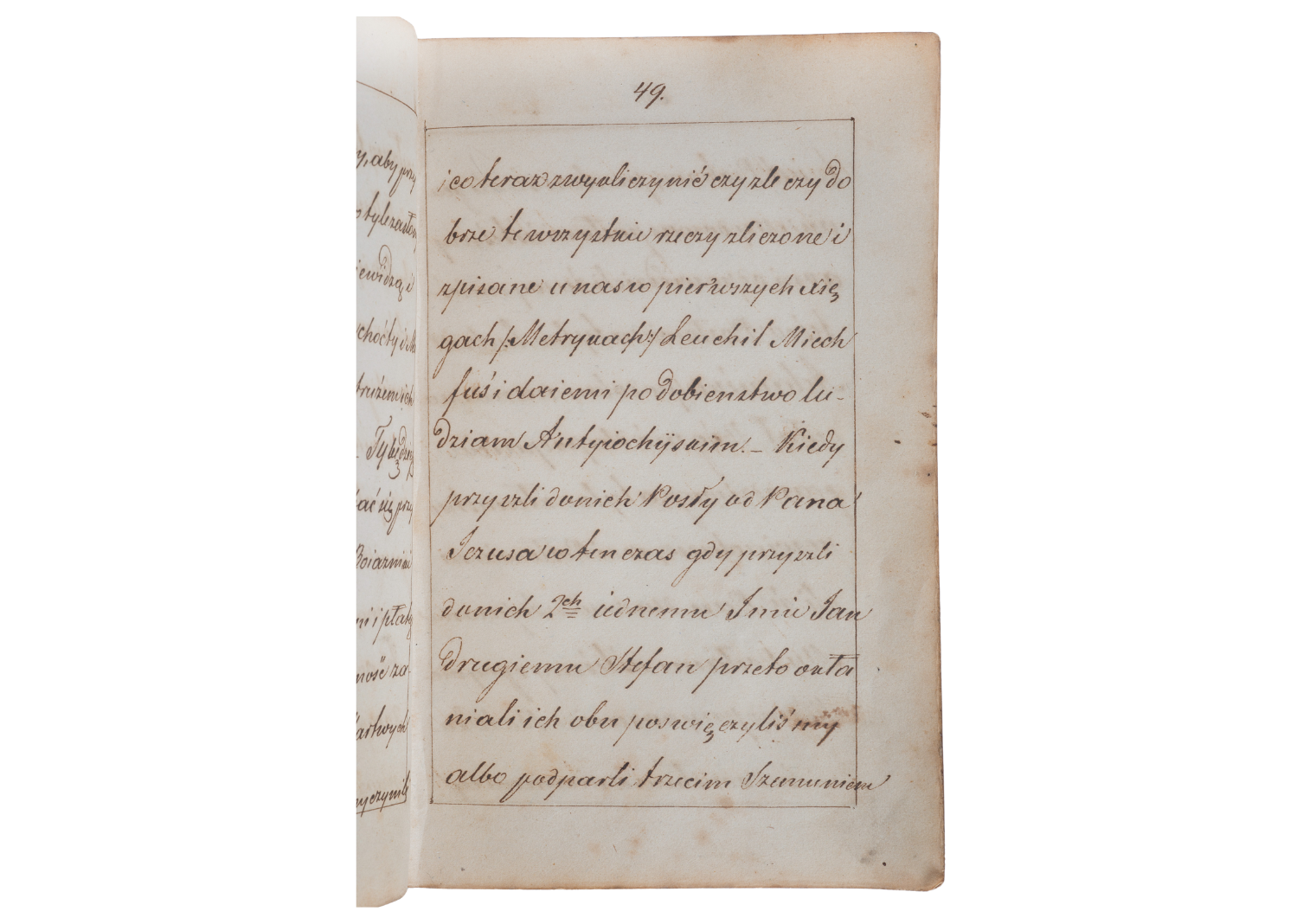
Khamail (prayer book)
 transcribed in Cyrillic and Latin, 1858 (pages with a 17th-century translation of 36 suras of the Qur’an into Polish, excerpted from tefsir of the Polish-Lithuanian Tatars, transcribed from the Arabic alphabet into Latin; a fragment about Jesus' disciples)
Lithuanian National Museum -
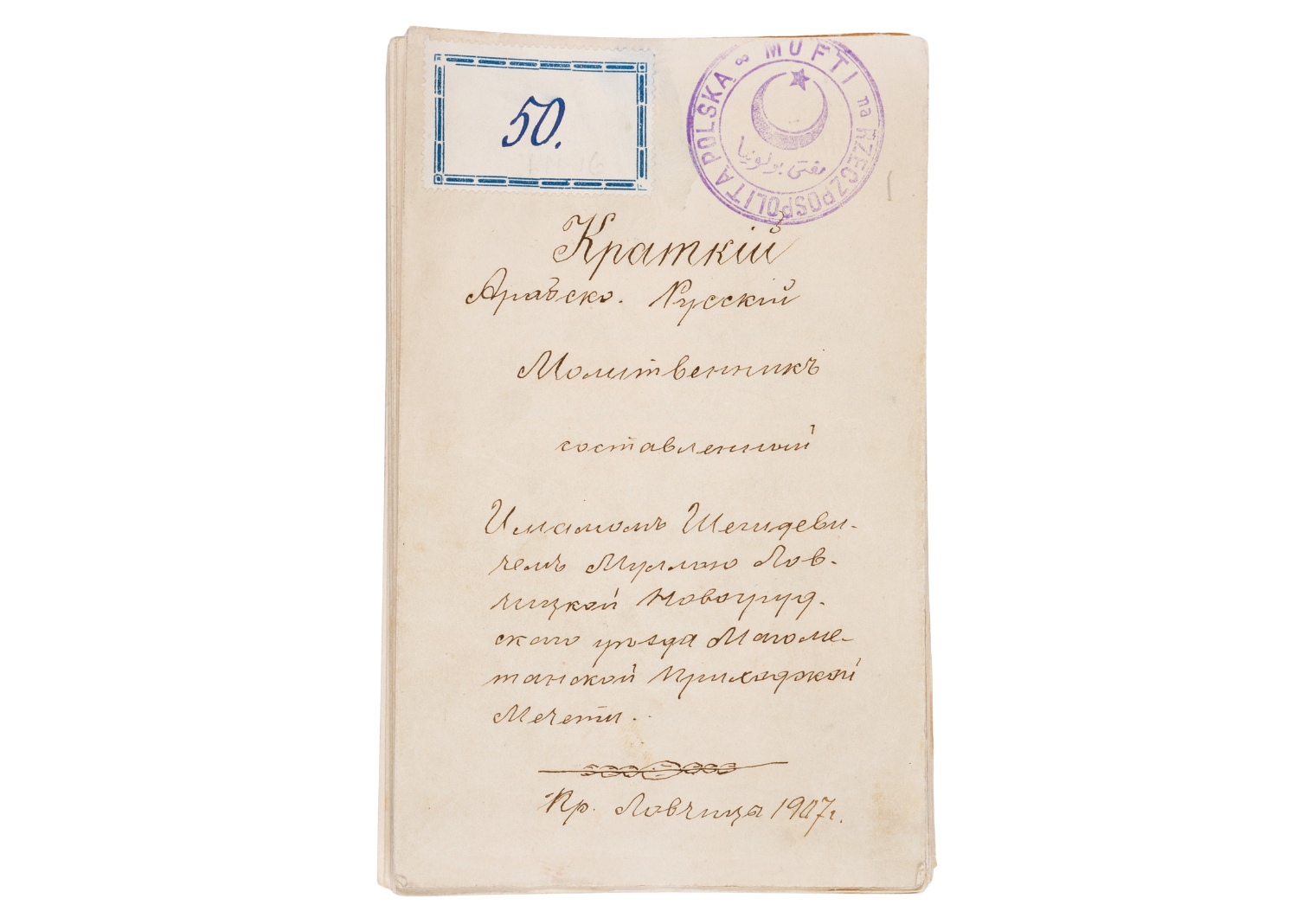
Khamail
 (prayer book) transcribed in Cyrillic (copyist Imam Jan Szahidewicz from Łowczyce village), 1907
Lithuanian National Museum
TRANSGRESSIONS OF RELIGION
-
Manuscript of the translation of part of the Koran into Polish
 prepared in 1828 for the Tatars on the initiative of Joachim Lelewel by Vilnius Philomaths: priest Dionizy Chlewiński and Ignacy Domeyko. The manuscript comes from the manor house in Czombrów, with which Adam Mickiewicz's family was connected and which became the prototype for Sopliców from "Pan Tadeusz".
Manor archive from Czombrów (in the collection of Joanna Puchalska) -
Koran
 [transl. priest Dionizy Chlewiński, Ignacy Domeyko; Poznań 1836] (philomatric translation of the Koran from 1828, published partly by Bernard Potocki in Poznań)
Polish Academy of Sciences, Kórnik Library -
Koran (Al-Koran). Polish translation from the Arabic by Jan Murza Tarak Buczacki, a Tatar from Podlasie...
 Warsaw 1858 (vignette of the complete edition of the Vilnius Philomats’ translation of the Qur’an from 1828, published with minor changes under the name of Jan Buczacki, d. 1857, by Aleksander Nowolecki in Warsaw)
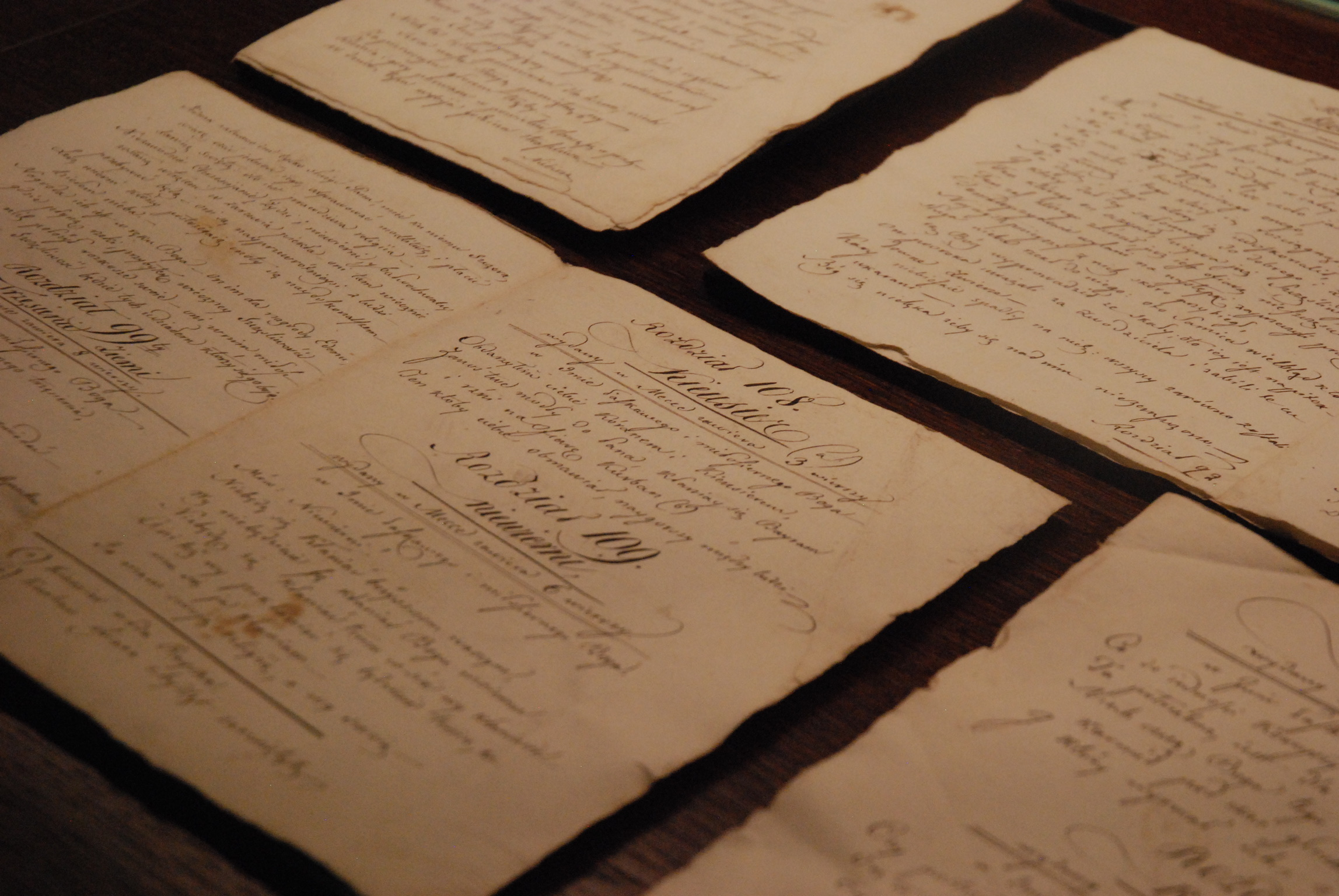
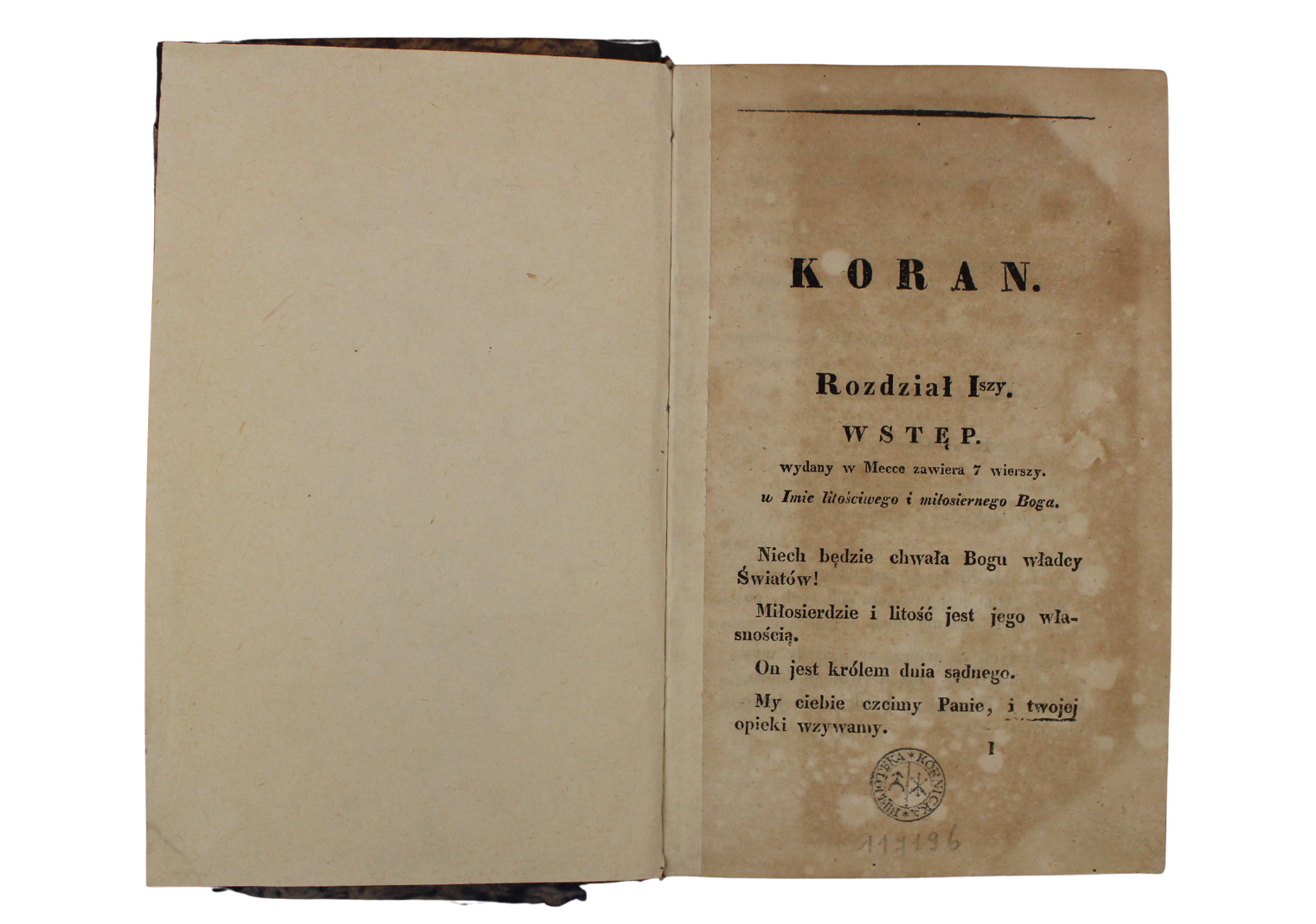
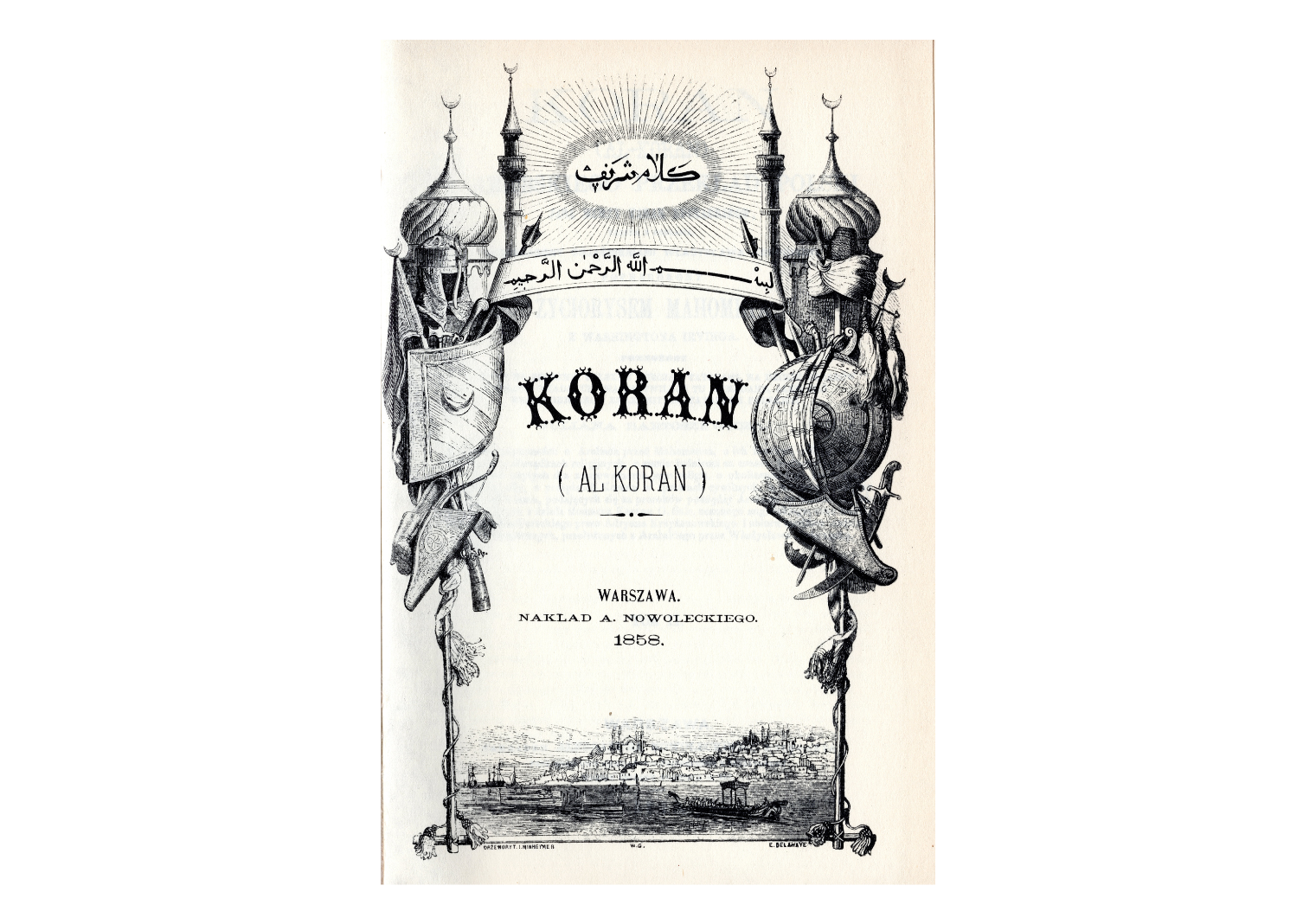
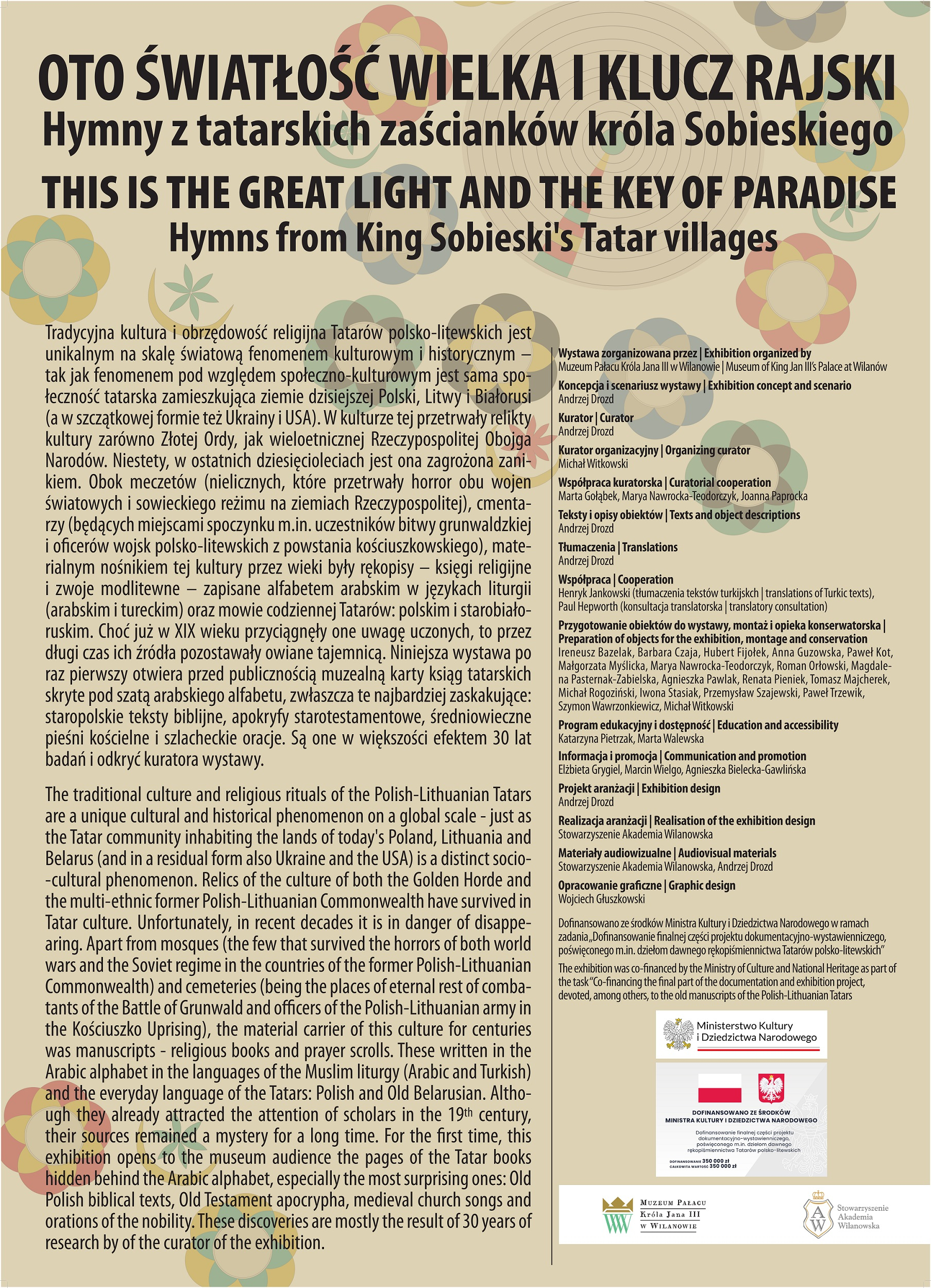
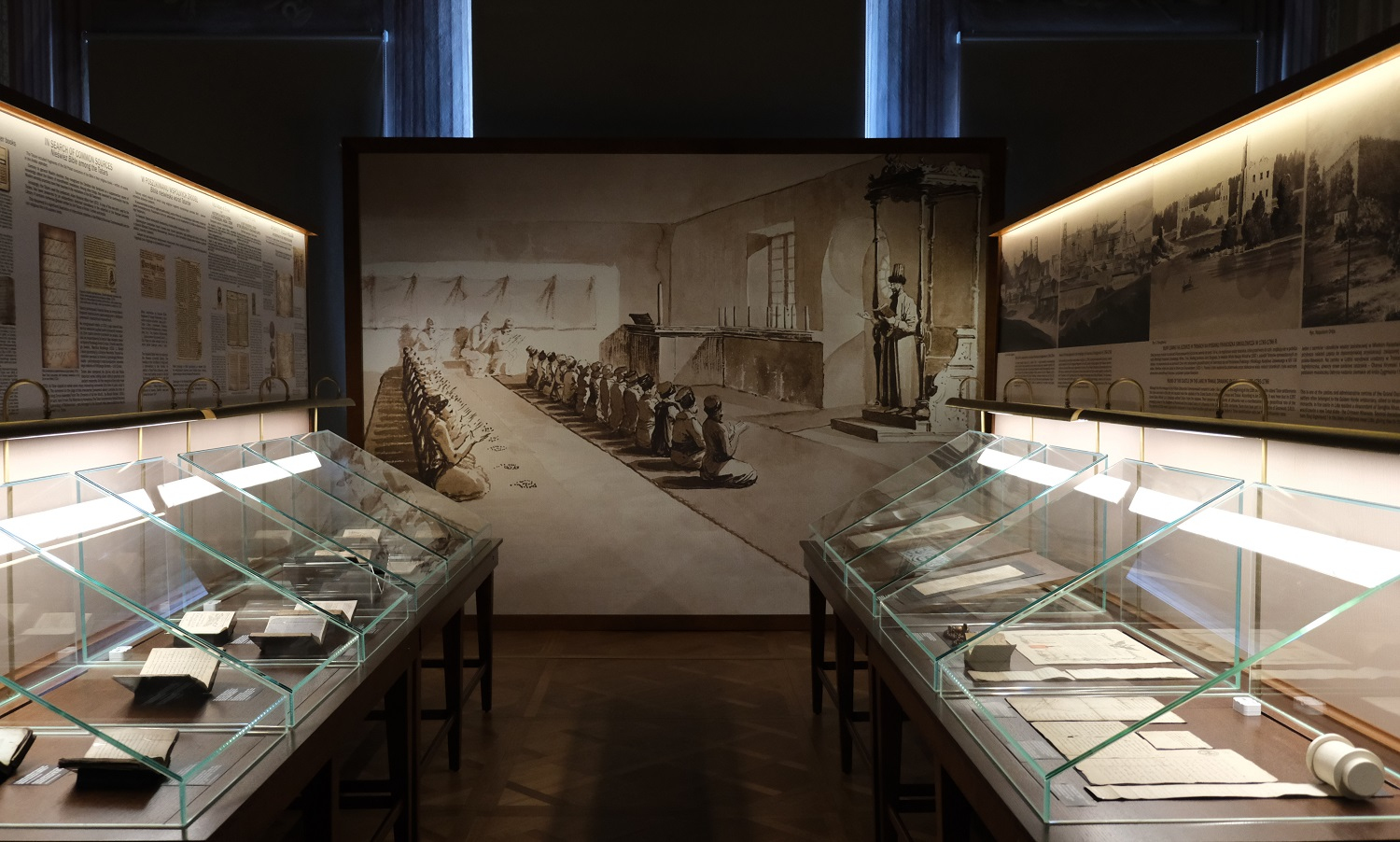
Photo gallery from the exhibition
International Congress of Turkish Art (ICTA)
International Congress of Turkish Art (ICTA) is the largest and most important scientific regular event in the world dedicated to the Turkish and Turkic art and artistic culture, as well as its intercultural relations with other countries and regions.
Read more
Co-financed by the Minister of Culture and National Heritage as part of the task “Co-financing the final part of the documentation and exhibition project, devoted to, among others, works of old manuscripts of Polish-Lithuanian Tatars”.
